The Late Night Dumpster Fire Needs Extinguishing
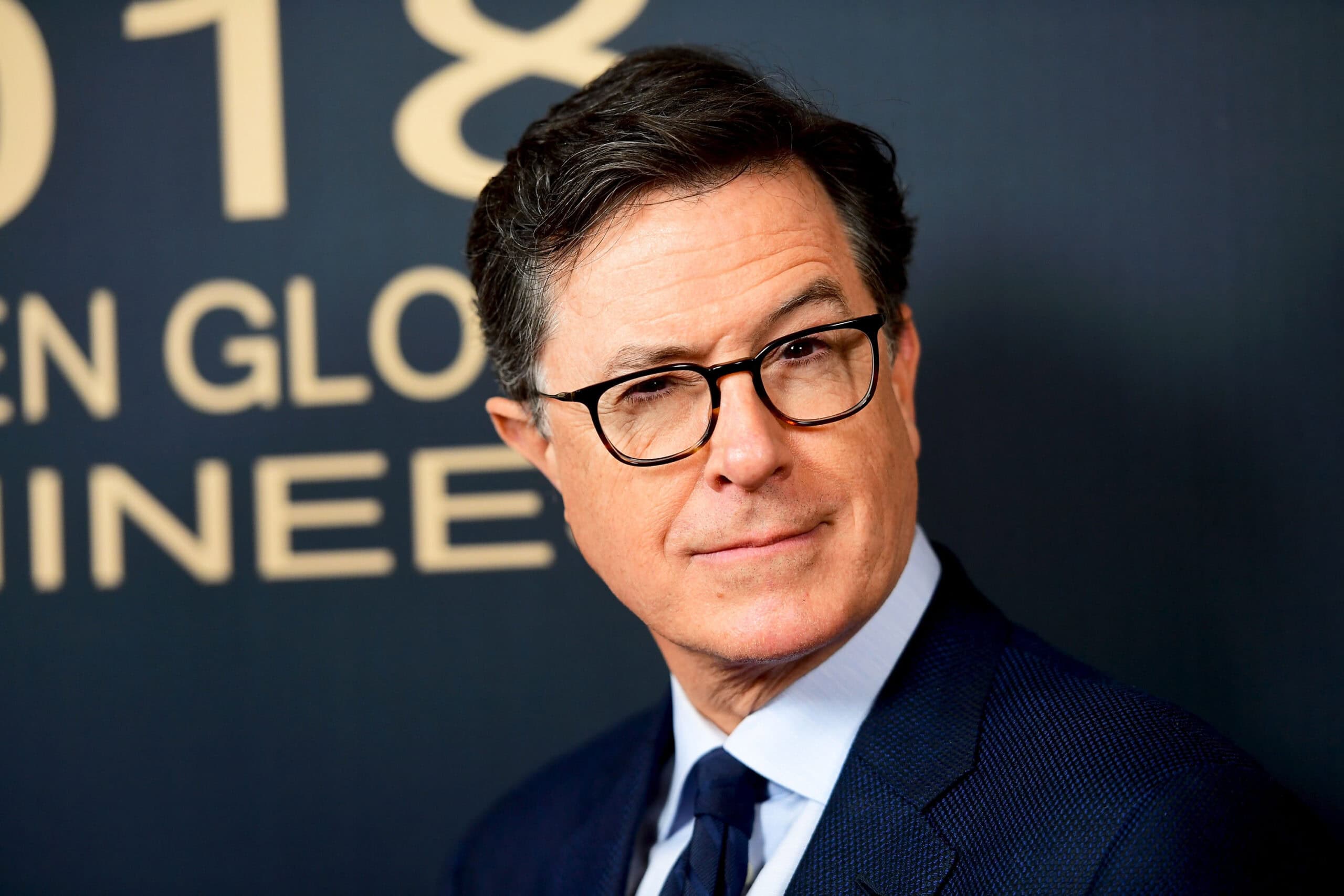
Overwrought eulogies and sympathetic tributes have been rolling in since CBS announced the cancellation of Stephen Colbert’s Late Show .
According to the New Yorker, Colbert’s nightly offering represents “one of the last public pipelines to some version of the truth.”
Jason Zinoman wrote in The New York Times,
The loss of “The Late Show” is not the death knell, but it is a death knell. The other late-night network hosts Jimmy Fallon, Seth Meyers and Jimmy Kimmel each have their strengths, but they weren’t comic supernovas the way Colbert was when he took the job. They don’t define the sensibilities of young viewers and future comedians the way Letterman or O’Brien did. And the success of the current crop of hosts — and some of their most interesting work — is built for an online audience.
Late night television talk shows date back to 1949’s Faye Emerson Show on CBS. Nicknamed “The First Lady of Television,” Emerson was a movie star before she was a talk show host. Her stock and notoriety rose after marrying President Franklin Roosevelt’s son in 1944. They divorced in 1950.
The debut of The Tonight Show starring Steve Allen is credited with ushering in modern late-night fare that gained steam with the explosive growth of television itself. Personalities Jack Paar and Johnny Carson eventually became household names and water cooler fodder the next morning.
Eventually earning the moniker of “The King of Late-Night,” Carson averaged over 15 million viewers a night. Over 55 million tuned in for his farewell program on May 22, 1992.
By comparison, Colbert’s last season averaged 1.9 million viewers and saw advertising revenue drop from an annual take of $121.1 million in 2018 to $70.2 million in 2024.
It would be easy and not all wrong to chalk up the fade of late-night television to the ongoing media revolution that’s upending viewer habits. Seemingly endless choices for consumers inevitably leads to fewer eyeballs on one-time leading shows. Why stay up when you can watch almost anything on demand anytime, anywhere?
Yet the demise of late-night television can also be explained by a large swath of the audience becoming frustrated and fed up with the garbage being offered up by network programmers. Monologues no longer just poke fun but look to prod, pierce, and propagandize an almost always liberal point of view.
The very fact that media pundits are framing Colbert’s departure as a loss of a “pipeline” to supposed “truth” makes clear the agenda all along hasn’t just been comedy but a concerted campaign to communicate an ideological agenda.
Writing in National Review, Charles C.W. Cooke correctly blames the cancellation of Stephen Colbert on Stephen Colbert:
As the host of the “Late Show,” Stephen Colbert was annoying, in a direct and palpable sense. He hectored; he sneered; he gatekept for a narrow, pious worldview; and, above all else, he sacrificed jocosity for ideology — a trade that never, ever pays. Under Colbert’s inadequate leadership, the program came to resemble the sort of bedeviled mutt that one might expect if one were to instruct artificial intelligence to produce a chat show, having trained it solely on old episodes of “The View.” Not only did the product fail to look like America; its architects neither knew what America looked like nor wanted to know what America looks like. It was insular, smug, and self-serious — and, worst of all, it routinely committed the only mortal sin in show business: It was boring.
Convictional Christians have never been overly enthusiastic about late night television, and for good reason. Even in its golden age it pushed and crossed moral boundaries. But the modern day pompous gas bags posing as comedians have taken the smugness Cooke writes about to an entirely new level. It might resonate in certain elite and radical circles, but mainstream Americans have no interest being lectured by liberals who despise both them and their beliefs.
Scripture makes clear that laughter is part of healthy living (Ecc. 3:4). Life can be difficult and its challenges sobering, but we all know from experience that “A cheerful heart is good medicine” (Proverbs 17:22). But the best comedy is clean and lifts up – it’s not crass and doesn’t tear down.
In reality, CBS’ cancellation of Stephen Colbert impacts very few people. When it comes to filling the time, they’d be wise to show a daily classic movie that won’t insult our sensibilities or mock and malign people of the Christian faith.
Image from Getty.


ABOUT THE AUTHOR