Our Law Enforcement and Our Priorities
It’s a common adage that history repeats itself, but just because enough people say it over and over again doesn’t make it true.
History doesn’t repeat — but human nature does.
It was King Solomon who observed, “What has been is what will be, and what has been done is what will be done, and there is nothing new under the sun” (Eccl. 1:9, ESV).
Man’s sinful nature means things will never be just right, that we will regularly struggle and strain in striving to meet the mark. Relatedly, it also means that when it comes to life, there are fundamental patterns of imperfection. They’re frustrating, destructive — and predictable, too.
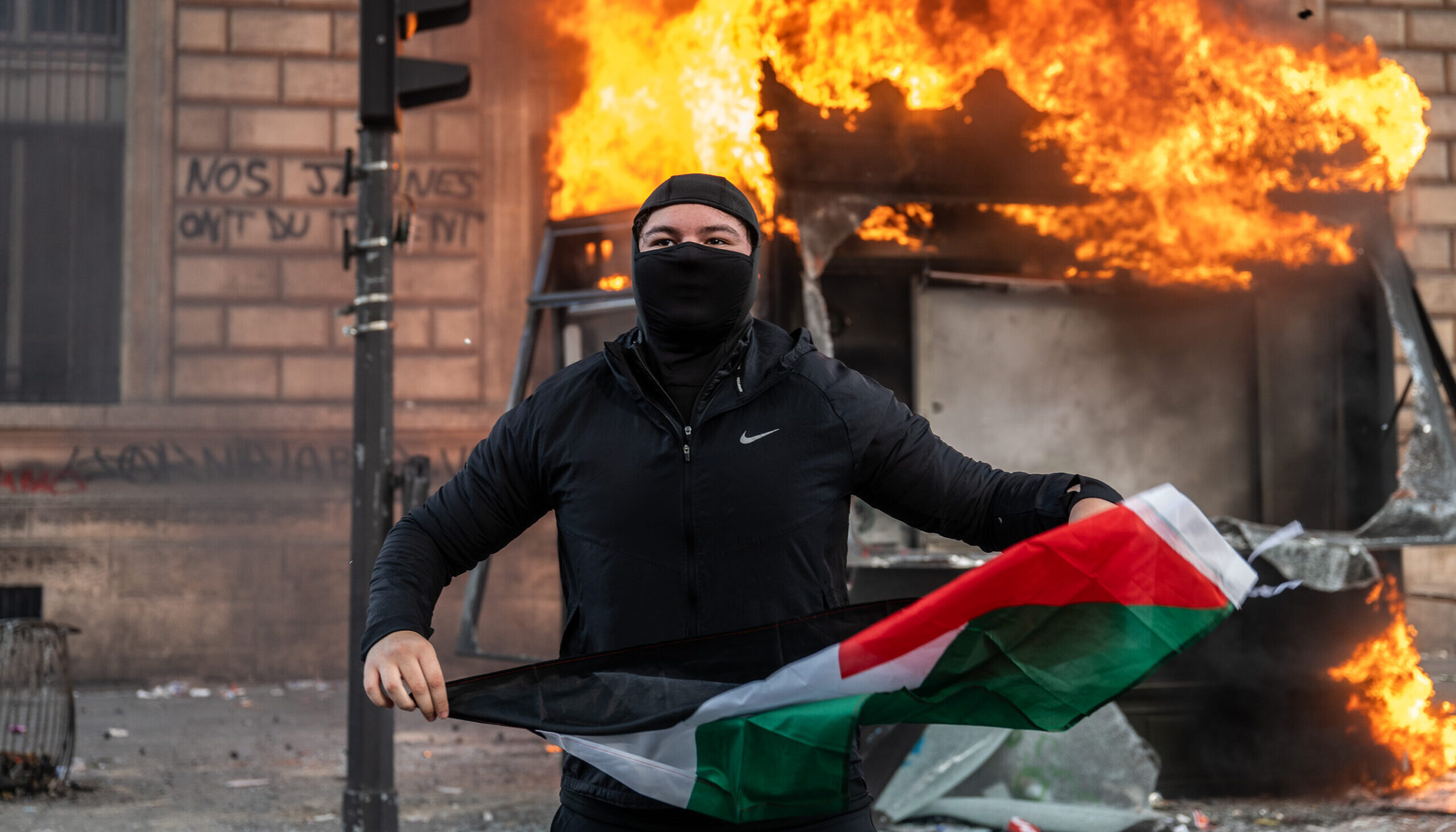
One could be excused for thinking they’ve seen this week’s cultural discord before — and even in the same city before. Change the names and even change the channel, but the drama and the dysfunction remain and roll on.
Sin doesn’t happen in a vacuum, of course. It might often seem like it occurs all at once, but it’s usually the outgrowth of an accumulation of many things and sometimes some things even outside of our own control. We’re reminded in Exodus that children can be punished for the sins of their parents even out to the third and fourth generations (20:5, 34:7).
Tragic things happen when a series of terrible things unfold over time. There are consequences to sin.
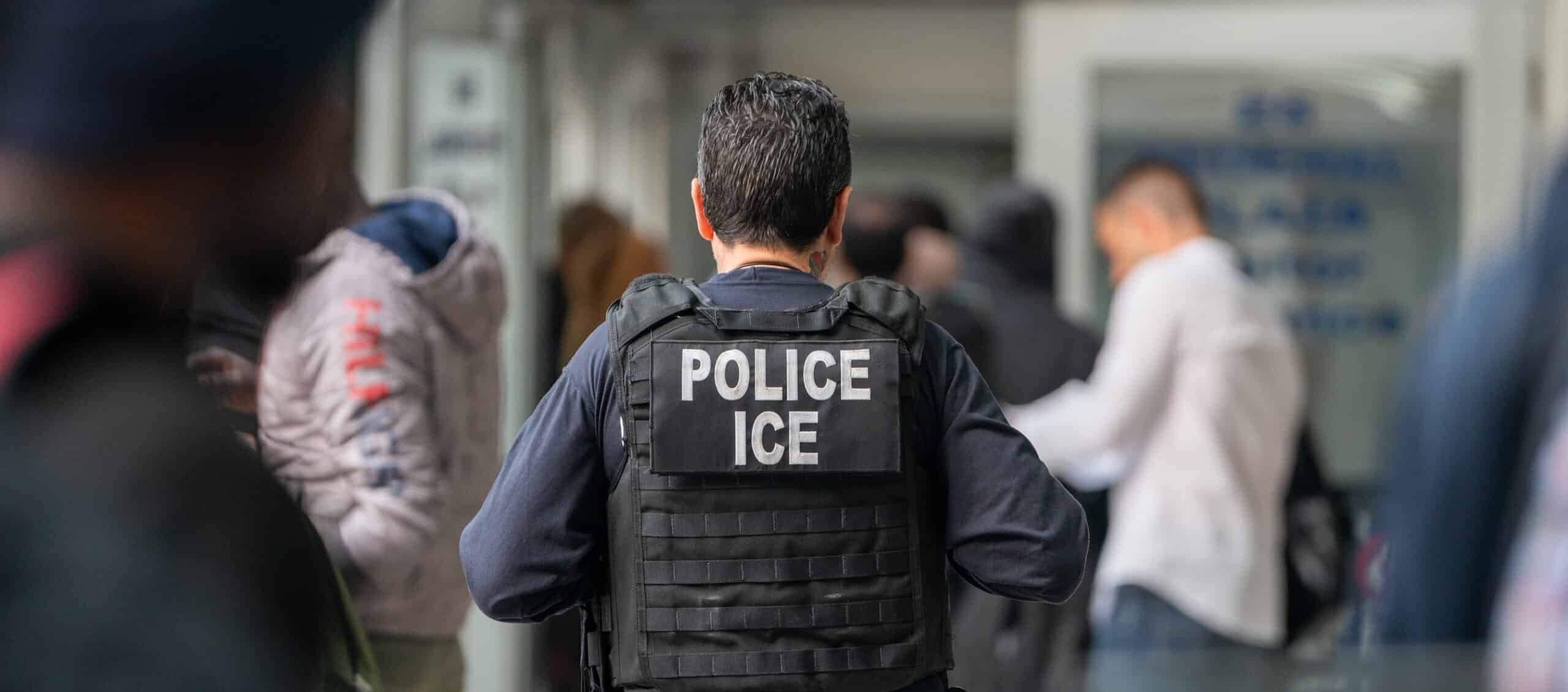
Although it was officially first established in 2003, Immigration and Customs Enforcement (I.C.E.) responsibilities didn’t begin just over two decades ago. Colonial and early America welcomed individuals from all over but emphasized from the very beginning that anyone who landed in the United States needed to assimilate and embrace the country’s ideals. In recent generations this commitment lessened and has practically been abandoned altogether.
American immigration policy has long been generous, some might even say liberal, but there have always been rules and laws. Agitators and radical activists like to try and blend or blur any distinction between legal and illegal immigration, but there is a major difference between the two. Without laws and rules there is chaos — such as what we saw earlier this week.
I.C.E. was established in the aftermath of the terrorist attacks of September 11, 2001 and folded under the authority of the Homeland Security Act of 2002. In essence, it was created because laws were being broken, and individuals and families were being harmed and even killed — by the thousands.
Immigration officials have been deployed to certain states and cities because for years and even decades, established laws haven’t been enforced. In fact, it could even be argued they’ve been flagrantly ignored and criminals even enabled.
At the same time, a chronic and tragic disregard for law enforcement has festered across America, especially in the nation’s largest urban areas. In some cases, our men and women in uniform have been villainized. The courageous and the brave are discounted, portrayed as part of the problem rather than a major piece of the solution. This disrespect emboldens bad actors. The disregard strikes the match.
In what universe and worldview do ordinary citizens brazenly confront law enforcement who are legally and peacefully carrying out their assigned duties?
Instead of protesting our police and immigration enforcement officials we should be praying for them.
Rather than agitating in the streets, we should be advocating for the protection and safety of our people. Our actions and policies should be geared towards peace not discord.


ABOUT THE AUTHOR