‘ChatGPT for Teens’ — Here’s What Parents Need to Know
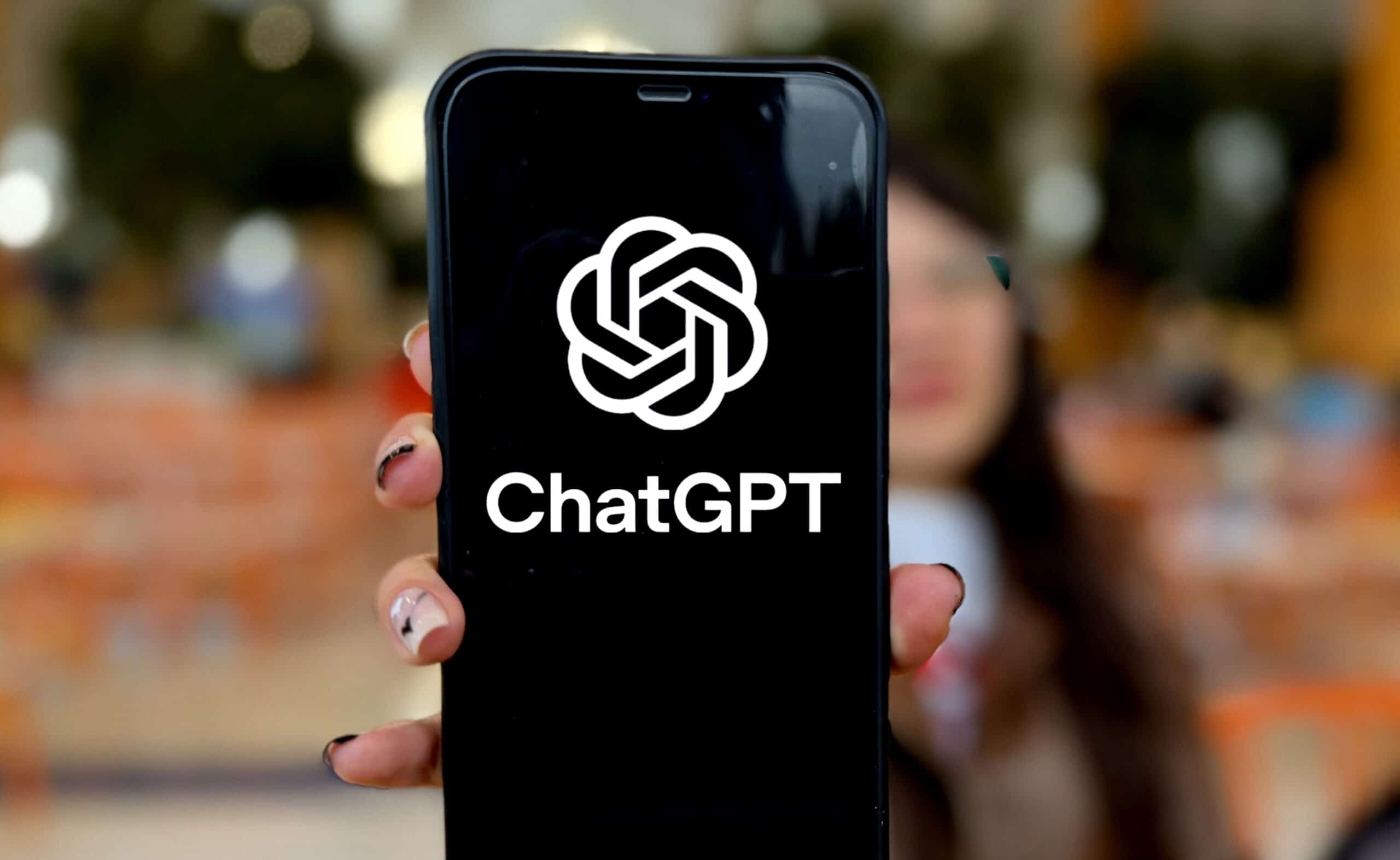
OpenAI introduced “ChatGPT for Teens” last week, a version of the company’s popular chatbot made safer for users from 13 to 17 years old.
But how safe is it, really? Here’s what parents need to know.
OpenAI designed “ChatGPT for Teens” for minors. The company uses age-detection software to determine users’ ages. Any user under 18 is given a teen account.
“ChatGPT for Teens” has more restrictive operating instructions which prohibit the chatbot from:
- Pretending to have feelings, a consciousness or emotions.
- Engaging in conversations about topics like suicide, self-harm and eating disorders.
- Having romantic or sexual conversations with users.
“ChatGPT for Teens” also makes it harder for students to cheat on school assignments, according to OpenAI. Instead, the bot is designed to help students learn difficult material and study.
Parents of teens on “ChatGPT for Teens” can use parental controls in limited circumstances. The controls allow parents to set study hours, which limit ChatGPT to study functions for a set period, and quiet hours, which block ChatGPT all together.
Through parental controls, parents can also direct “ChatGPT for Teens” not to save or train future AI models on their children’s data.
OpenAI asks parents to trust the extra guardrails built into “ChatGPT for Teens.” But mounting evidence suggests the safety features it built for its original product, ChatGPT, don’t work.
ChatGPT is already supposed to discourage user interactions regarding suicide and self-harm. But several lawsuits allege ChatGPT not only encouraged minors and young people to take their own lives, but told them how to do so.
In 2025, researchers from the Center for Countering Digital Hate similarly found that, though ChatGPT warned users against risky behavior, it still “delivered startlingly detailed and personalized plans for drug use, calorie-restricted diets or self-injury,” per the Associated Press.
“We wanted to test [ChatGPT’s] guardrails.]” Imran Ahmed, CEO of the Center for Countering Digital Hate, commented on the study, continuing:
A parent cannot use the parental controls on “ChatGPT for Teens” unless their teen user agrees. Teens can turn off parental controls at any time. Parents will receive an alert notifying them the controls have been turned off.
OpenAI does not allow parents to view interactions between their child and the chatbot — a troubling fact given ChatGPT’s history of inappropriate, dangerous interactions with children.
If the bot notices a child may be in danger, OpenAI says “a small team of specially trained people [will review] the situation.” If the team deems the child in “acute distress,” their parent will receive a notification.
Testing conducted by the Youth AI Safety Institute at Common Sense Media found these notifications took as long as two days to reach parents — if at all. OpenAI told Mashable it tries to issue them within an hour of the concerning interaction.
“[Parents] can view these features as backup, but they’re not a replacement for [their] continued involvement in how [their] child is using the product, because we don’t have confirmation or independent verification that they work,” Robbie Torney, head of AI and digital assessments at the Institute, told the outlet.
OpenAI does not use age-verification software, which determines ages using government ID. Instead, it uses a program to deduce users’ ages based on 2,000 different metrics. Users are automatically given “teen” or “adult” accounts based on their estimated age.
But what if the software is wrong? Parents can’t know their child is actually using “ChatGPT for Teens” unless they have access to parental controls, which is no guarantee.
“ChatGPT for Teens” offers study tools and cuts down on cheating using its “Study Mode,” which came out more than a year ago. The feature ostensibly detects when students try to answer a homework question and redirects them to work through the concepts on their own.
Mashable tested “Study Mode” and found it still answered homework questions and didn’t always generate helpful study tools.
Research showing that students who studied with AI perform better academically is also lacking, the outlet noted.
Several child safety advocates note that, while “ChatGPT for Teens” might be safer than the original ChatGPT, it does not offer meaningful ways to decrease teens’ emotional and practical reliance on chatbots.
“Addressing safety concerns in ‘ChatGPT for Teens’ does not address the fundamental problem that chatbots deprive young people of developing critical life skills,” licensed professional counselor and Clinical Director of Counseling Services at Focus on the Family Tim Sanford, explains.
He continues:
Paul Asay, the director of Focus on the Family’s PluggedIn, which helps families navigate the digital age, remains similarly cautious. While small improvements in safety are better than none, he notes, “ChatGPT for Teens” leaves much to be desired.
“OpenAI has been problematic in the past, and I don’t know if most parents would like for their families to be the guinea pigs in OpenAI’s attempts to improve,” he tells the Daily Citizen.
Though Asay is concerned to hear OpenAI’s “Study Mode” may not be effective, he says, “The thing that perhaps concerns me the most would be that teens can opt out of ChatGPT’s parental controls at any time.”
“By definition that’s not parental control: That’s teen control.”
Asay recommends families come together to talk about parental controls and restrictions.
“It’s important to have your teen looped into these conversations if at all possible,” he acknowledged. “But when push comes to shove, parents, not teens, need to hold the keys.”
To learn more about the dangers AI chatbots can pose to children, read the articles below.
Additional Articles and Resources
Counseling Consultation & Referrals
PluggedIn Parents’ Guide to Technology
Parenting Tips for Guiding Your Kids in the Digital Age
Florida Sues OpenAI for Causing Consumers to Harm Themselves, Others
OpenAI Could Have Stopped Mass Shooting, 7 New Lawsuits Allege
Florida Expands Criminal Investigation into ChatGPT
You Don’t Need ChatGPT to Raise a Child. You Need a Mom and Dad.
Florida Sues OpenAI for Allegedly Aiding FSU Shooter
The 5 Most Important Things New Lawsuits Reveal About ChatGPT-4o
AI Company Releases Sexually Explicit Chatbot on App Rated Appropriate for 12 Year Olds
Man Takes His Life After Forming Romantic Relationship with AI, Lawsuit Alleges
AI Chatbots Make It Easy for Users to Form Unhealthy Attachments
X’s ‘Grok’ Generates Pornographic Images of Real People on Demand
Seven New Lawsuits Against ChatGPT Parent Company Highlights Disturbing Trends
ChatGPT Parent Company Allegedly Dismantled Safety Protocols Before Teen’s Death
AI Company Rushed Safety Testing, Contributed to Teen’s Death, Parents Allege
ChatGPT ‘Coached’ 16-Yr-Old Boy to Commit Suicide, Parents Allege
AI Company Releases Sexually-Explicit Chatbot on App Rated Appropriate for 12 Year Olds
AI Chatbots Make It Easy for Users to Form Unhealthy Attachments