More Than 90 Advocacy Organizations Call on Snapchat, TikTok, YouTube to Adopt Child Safety Protections
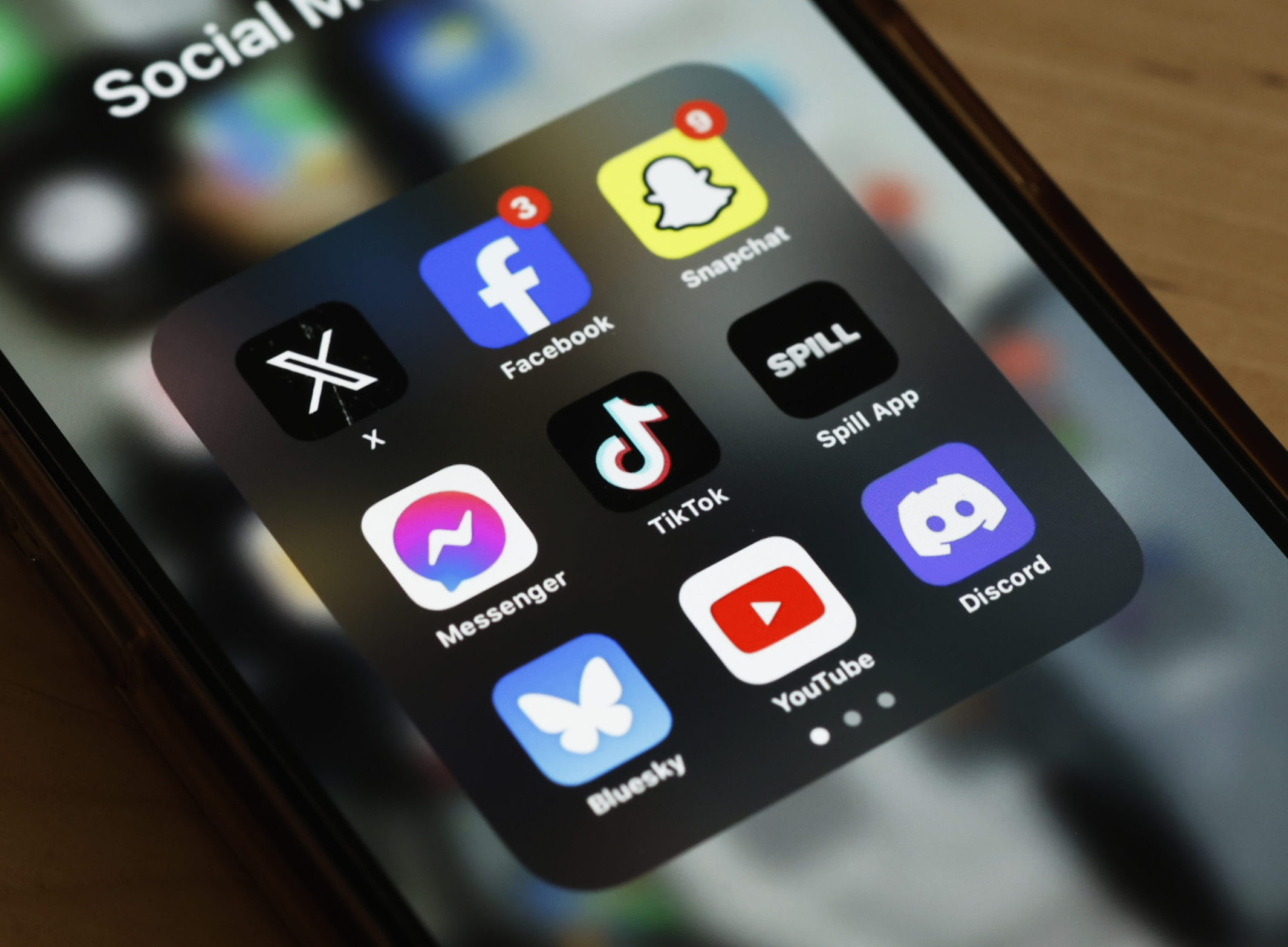
More than 90 child and family advocacy organizations signed a letter late last week demanding Snapchat, TikTok and YouTube adopt the same child protections Meta implemented last month.
Spearheaded by the American Principles Project, the coalition emphasized the importance of a child safety standard spanning all social media platforms — not just Facebook and Instagram.
“We urge you to join Meta in creating an industry-wide standard for protecting our youth online,” the group, including organizations like the Focus on the Family-allied Family Policy Alliance and Melissa McKay’s Digital Childhood Institute, wrote in a letter published October 13.
“Families across the country deserve consistent, enforceable safe-design standards on every platform their children use.”
Meta added several dramatic new child safety protections to Facebook and Instagram as part of August’s $17.1 billion settlement with 47 states, the District of Columbia and three U.S. territories.
The agreement resolved all proposed lawsuits alleging the company intentionally addicts children to social media.
The settlement requires Meta to correctly estimate its users’ ages using available data. Children under 13 are immediately removed from the platform. Children under 16 receive automatic default protections, like:
- Daily two-hour time limits on Meta apps.
- Blocks on Meta apps between midnight and 6:00 a.m.
- Hiding likes and reactions on posts.
- Blocks on push notifications during the school day, from 8:00 a.m. to 3:00 p.m.
- Blocks on filters which edit users’ faces to show heavy makeup or plastic surgery lines.
Parents can lift or adjust many of these settings using Meta’s parental controls, which the company promised to strengthen and make more user-friendly.
The settlement required Meta allow parents and teens to disable or turn off some of the apps’ most addictive features, like:
- Autoplay, which queues videos to play automatically.
- Content-recommendation algorithms, which curate content based on users’ interests, likes and dislikes.
Meta also started reminding minors how long they’ve been on Facebook and Instagram. After every 15 minutes of continuous use, the apps will interrupt teen users with a reminder to use social media responsibly.
Similar alerts pop up when a minor uses Meta apps for an hour, and an hour and a half, in one day.
These features give parents a fighting chance to protect their kids on Instagram and Facebook. But they are far less effective when kids can simply spend more time on different social media apps with no meaningful protections for young users.
The American Principles Project and its allies argue YouTube, TikTok and Snapchat need child safety protections just as much as Meta and Instagram do.
“Instagram and Facebook are not the only platforms where kids face real risks,” the coalition letter insists, noting, “YouTube’s recommendation algorithm has long funneled young viewers from age-appropriate videos toward graphic violence, dangerous stunts and sexual content.”
The letter references a 2025 study exploring the ways TikTok, YouTube and Instagram deliver “harmful” content to users of different ages.
The researchers analyzed a total of 3,000 posts for “harmful” content using dummy accounts designed to look like teenage users. The scientists discovered YouTube served 13-year-olds nearly double the amount of harmful content (15% of all videos delivered) than its closest competitor, TikTok (8%).
The harm TikTok causes children is well documented, both inside and outside the company. As the Daily Citizen previously reported, a series of lawsuits filed against TikTok in October 2024 exposed the company’s internal research finding its app could cause compulsive use.
TikTok further concluded:
As video streaming apps, YouTube and TikTok hold unique power over young minds. A 2023 Institute for Family Studies analysis of Gallup data found the connections between youth mental health problems and social media use were “driven entirely by the popular video streaming apps YouTube and TikTok.”
“Even controlling for total social media time,” the institute continued, “TikTok and YouTube are the only two platforms who predict a negative effect on the mental health index, suggesting it is not only through time spent that they have their effects.”
The American Principle’s Project’s coalition also touches on the unique dangers of Snapchat, a social media platform known for its disappearing messages.
Snapchat and TikTok both appear on the National Center on Sexual Exploitation’s (NCOSE) 2026 Dirty Dozen, an annual list of 12 mainstream companies that facilitate, enable or profit from the sexual exploitation or abuse of children.
This is Snapchat’s fifth appearance on the list since its debut in 2016.
The problems with Snapchat, NCOSE writes, are structural.
“This is a platform that, in its very architecture, appears to intentionally allow the creation and sharing of sexually explicit material, including of minors,” the center notes, continuing:
The consequences of this design showed up in June, when The Social Media Victims Law Center and Holland law Firm filed a lawsuit against Snap, Inc., Snapchat’s parent company, on behalf of a Missouri teenager and her family.
The lawsuit alleges Snapchat’s features enabled 25-year-old Gabriel Joel Valentin-Rios to contact, groom and rape 12-year-old JF in September 2021.
“The assault did not happen in a vacuum,” Matthew P. Bergman, founding attorney of the Social Media Victims Law Center, wrote in a press release.
“It happened because Snap’s product design made it easy for a predator to reach and manipulate an unsuspecting child.”
The American Principles Project and its coalition supports legislation like the SCREEN Act, which would require adult websites to verify the ages of their consumers, and Melissa McKay’s App Store Accountability Act, which would:
- Require app stores to provide accurate age-ratings.
- Require app stores to verify the ages of their consumers.
- Prohibit app stores from doing business with children.
But, until then, the organizations argue, young users will not be safe online until all social media apps start by adopting the basic child safety protections Meta rolled out last month.
The stakes are high. If TikTok and YouTube, specifically, refuse the coalition’s call, Meta will be released from some of its settlement obligations early.
Only $12.7 billion of Meta’s multi-state payout is guaranteed. The company only has to pay the remaining $5.3 billion if YouTube and TikTok agree to:
- Implement a one-hour daily time limit.
- Limit access to their apps from 10 p.m. to 7 a.m.
- Spend more time and resources estimating users’ ages.
- Each pay $5.3 billion.
If YouTube and TikTok agree to participate, Meta will abide by the same, longer nighttime restrictions and shorter daily usage limits.
If they don’t join in, however, Meta must only enforce its two-hour daily time limit and “responsible usage” alerts for five years — half the length of the rest of the settlement provisions.
Though Snapchat operates a different type of platform than YouTube, TikTok or Meta, it’s longstanding association with child sexual exploitation illustrates how badly it, too, needs even the most basic child protections
The coalition letter concludes with a clear call to action:
The Daily Citizen echoes that call.
Additional Articles and Resources
Counseling Consultation & Referrals
PluggedIn Parents’ Guide to Technology
Parenting Tips for Guiding Your Kids in the Digital Age
Melissa McKay Protects Kids, Restores parents’ Rights Through ‘App Store Accountability Act’
Meta Settles Social Media Addiction Suit for $17.1 Billion
Lawsuit Against Snapchat Latest in Social Media Accountability Push
Zuckerberg, Grok, Messaging Platforms Dominate 2026 Dirty Dozen List
TikTok Dangerous for Minors — Leaked Docs Show Company Refuses to Protect Kids
Proposed SCREEN Act Could Protect Kids from Porn
New Mexico Accuses Meta of Egregious Harm to Children in Court Case
Social Media Addiction Suits got to Trial — Here’s What You Need to Know
Instagram’s Sextortion Safety Measures — Too Little, Too Late?
Key Takeaways From Zuckerberg’s Tell-All
Zuckerberg Implicated in Meta’s Failures to Protect Children


ABOUT THE AUTHOR