YouTube Proposes $3 Billion Settlement to Resolve School Districts’ Addiction Claims
This article is the first in a three-part series on YouTube’s failures to protect children. Part One details the platform’s proposed settlement agreement with thousands of school districts across America. Part Two will examine how the company views children behind closed doors. Part Three will zoom in on YouTube’s privileged access to the classroom —and the harm it causes students.
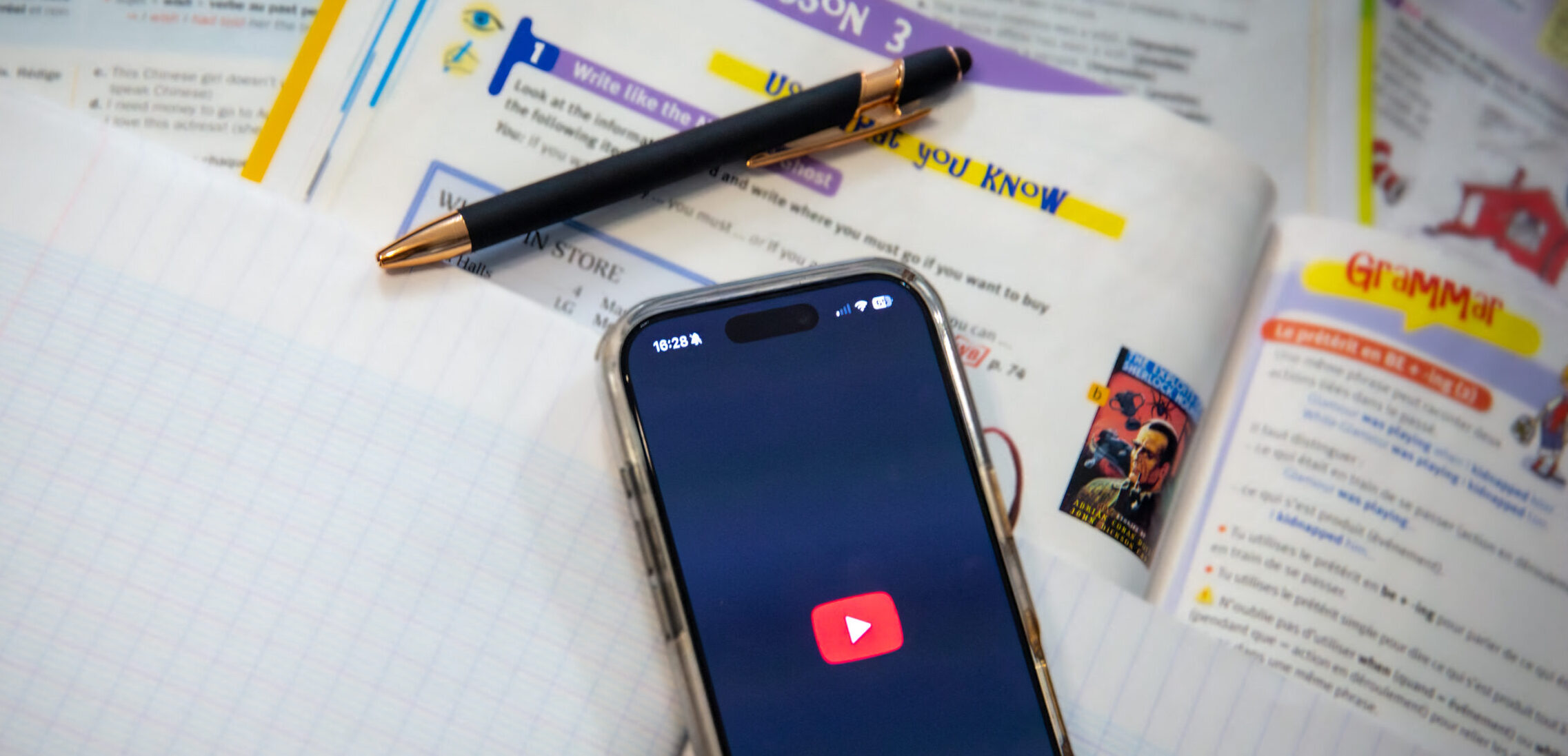
YouTube will reportedly pay $3 billion to settle with over a thousand school districts that claim the social media platform is addictive.
The proposed settlement agreement follows months of heightened scrutiny of YouTube’s design, business practices and alleged failures to protect children.
“School districts deserve real credit for taking on Big Tech in court and demanding better for our kids,” Casey Stefanski, mom of three and executive director of Digital Childhood Alliance, praised.
“This potential settlement acknowledges the harm YouTube’s addictive design has done to students, and it’s a win for the administrators who refused to look away and took on a trillion-dollar company.”
Most, if not all, of YouTube’s proposed $3 billion settlement payment would go toward the more than 1,000 school districts involved in the national Multidistrict Litigation (MDL) against Google (YouTube’s parent company), Meta (the company behind Facebook and Instagram), Snap, Inc. (the company behind Snapchat), and TikTok.
The MDL combines complaints from each participating school district into one large block of cases with the same basic allegation — that school districts have had to address students’ social media addiction with more comprehensive academic, behavioral and mental health interventions.
“Compulsive use of YouTube by school children is causing serious problems for students and school districts, as students struggle with their mental health, become sleep deprived and act out,” one MDL complaint reads.
“YouTube’s platform features are engineered to induce excessive use and to addict adolescents and children to the platform,” another alleges.
Google, Meta, Snap and TikTok settled the first MDL case this summer, paying Kentucky’s Breathitt County Schools $27 million to keep the case out of court.
The next MDL case is expected to go to trial in February. The plaintiff, Arizona’s Tucson Unified School District, is seeking more than $1 billion in damages.
If Judge Yvonne Gonzalez Rodgers of the U.S. District Court for the Northern District of California approves YouTube’s proposed settlement agreement, Google would cease to be a plaintiff in the MDL.
A majority of MDL plaintiffs must sign off on YouTube’s proposal before it is finalized, Bloomberg reports, which could take months.
One of the biggest question marks is what, if any, steps the settlement will require YouTube take to protect kids online.
Though the agreement will reportedly include new product safety features for teens, YouTube’s track record — and recent, staunch refusal to adopt industry-wide safety protections — leaves advocates like Stefanski with considerable doubts.
“As we learn more about the terms, YouTube cannot be let off the hook for the safety-by-design changes experts and parents have urged for years, like daily time limits and stronger parental controls,” she emphasized.
“Platforms built to hook kids don’t belong in our schools, and they shouldn’t get a pass because they wrote a check.”
Stefanski’s Digital Childhood Alliance was one of 90 child and family advocacy organizations that signed a letter last month demanding YouTube, Snapchat and TikTok voluntarily adopt the same child protections Meta rolled out on Facebook and Instagram in September.
The changes were part of Meta’s $17.1 billion settlement with 47 states, the District of Columbia and three U.S. territories, which resolved all proposed lawsuits alleging the company intentionally addicts children to social media.
“Families across the country deserve consistent, enforceable safe-design standards on every platform their children use,” the group, led by the American Principles Project, wrote.
YouTube has more reason to adopt the safety standards than a company like Snapchat. Meta, YouTube’s competitor, will be released from some of its settlement obligations, including early termination of some of its child safety commitments, if YouTube and TikTok refuse to:
- Implement a one-hour daily time limit for minor users.
- Limit minor users’ access to their respective apps from 10 p.m. to 7 a.m.
- Spend more time and resources accurately estimating users ages.
But YouTube CEO Neil Mohan remains publicly opposed to the agreement, telling CNN in September that YouTube is “a very different platform than Meta.”
“We have invested in making sure that young people are safe on our platform … for a very long time,” Mohan continued. “What you should expect from YouTube is continuing to focus on those things.”
If YouTube is so committed to young users’ safety, why would it seek to settle with the school districts to the tune of billions of dollars?
While Mohan may hawk the company’s safety record, internal documents made public in the recent flurry of litigation paint a far different story about how YouTube considers and treats young people.
Combine that with a recent, devastating legal defeat and the massive penalties districts like Tucson Unified want to extract, and YouTube may be desperate to settle for a mere $3 billion.
More on YouTube’s teetering house of cards in Part Two.
Additional Articles and Resources
Counseling Consultation & Referrals
PluggedIn Parents’ Guide to Technology
Parenting Tips for Guiding Your Kids in the Digital Age
Melissa McKay Protects Kids, Restores Parents’ Rights Through ‘App Store Accountability Act’
Meta Settles Social Media Addiction Suit for $17.1 Billion
Juries in California, New Mexico Rule Against Meta
Meta’s Mark Zuckerberg Denies Instagram is Addictive in Social Media Trial Testimony
Social Media Addiction Suits got to Trial — Here’s What You Need to Know
Zuckerberg, Grok, Messaging Platforms Dominate 2026 Dirty Dozen List