Ohio Man Ordered to Stop Home Prayer Meeting; SCOTUS Takes Up Case

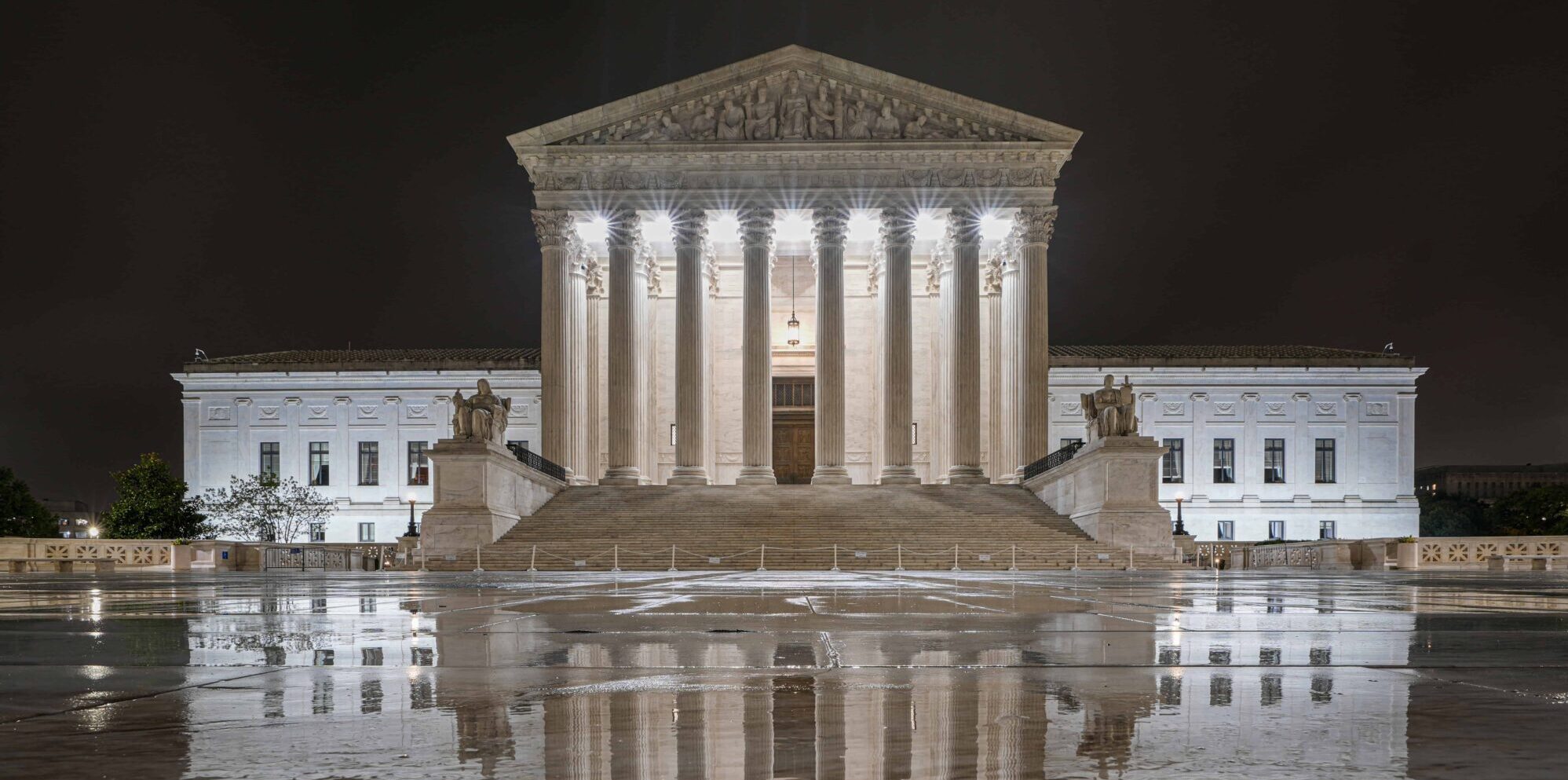
On Wednesday, December 9, the U.S. Supreme Court will hear arguments in Grand v. City of University Heights, a case that began when a person of faith tried to hold a prayer meeting in his home and the city sent him a letter telling him to “cease” any use of his home as a “place of religious assembly.”
Daniel Grand is an Orthodox Jew who says his faith requires him to pray with a group of at least ten men and forbids him to drive on the Jewish Sabbath. In January 2021, Grand emailed individuals in his Cleveland suburb offering to host a prayer gathering in his home on the Sabbath.
A neighbor forwarded the email to the city and asked them to “put a stop to this.” The city then sent a letter to Grand saying he could not use his home as a “place of religious assembly” without a special use permit.
The letter told him to “immediately cease and desist” and warned that violations “may result in building code citations.”
Grand canceled his prayer gathering and applied for the permit.
However, after a public hearing, the planning commission tabled the request.
Grand withdrew his request for a permit before the next hearing and later sued claiming a violation of the First Amendment and a federal law known as the Religious Land Use and Institutionalized Persons Act.
Grand sued in a federal Ohio court and the judge held that the case was not yet ripe because Grand must first get a final decision from the local zoning officials before suing.
In November 2025, the Sixth Circuit Court of Appeals agreed with the lower court. The appellate court said Grand withdrew his application for a permit before the city decided if he needed one and held that the cease-and-desist letter from the city did not count as a decision.
Neither of the lower courts considered whether the city violated Grand’s religious freedom.
The question before the U.S. Supreme Court is whether a person whose prayer meeting was stopped by the city’s warning to cease and desist or else face penalties can sue immediately or whether they must finish the zoning process.
Grand’s legal team, including Alliance Defending Freedom, argues that the city’s warning letter was injury in and of itself.
The city contends that its zoning regulations do not ban small prayer meetings and that Grand’s invitation announced the opening of a “Beis Hakeneset” or “shul,” both of which mean a synagogue. The city claims, “This case is not about whether petitioner Daniel Grand can host small prayer groups in his home.”
After the Court agreed to hear the case, Grand sold his home in University Heights. The city now claims that the case is moot and has asked the Court to dismiss the case.
Grand’s lawyers say his move does not make the case moot because his damages claims have been preserved in the case.
The U.S. Department of Justice, U.S. Conference of Catholic Bishops, Becket Fund for Religious Liberty, Members of Congress and Christian Legal Society all filed briefs in support of Grand.
Christian Legal Society told the Court, “A permit requirement that reaches a minyan [group of ten Jewish adults gathered for religious purposes] today reaches a Bible study tomorrow.”
The Court will likely decide the case very narrowly and on a procedural question, not on the underlying religious freedom claims. If they rule in Grand’s favor, the Court may send the case back to the lower courts to determine his religious liberty claims.
The Court could also dismiss the case without addressing the procedural question or the underlying merits of the case, leaving the lower court ruling in place.
Arguments are scheduled for December 9, and a decision is expected by the end of June 2027.
The Daily Citizen will continue to follow this case and provide updates.