America Controls TikTok Now — But Is It Really Safe?
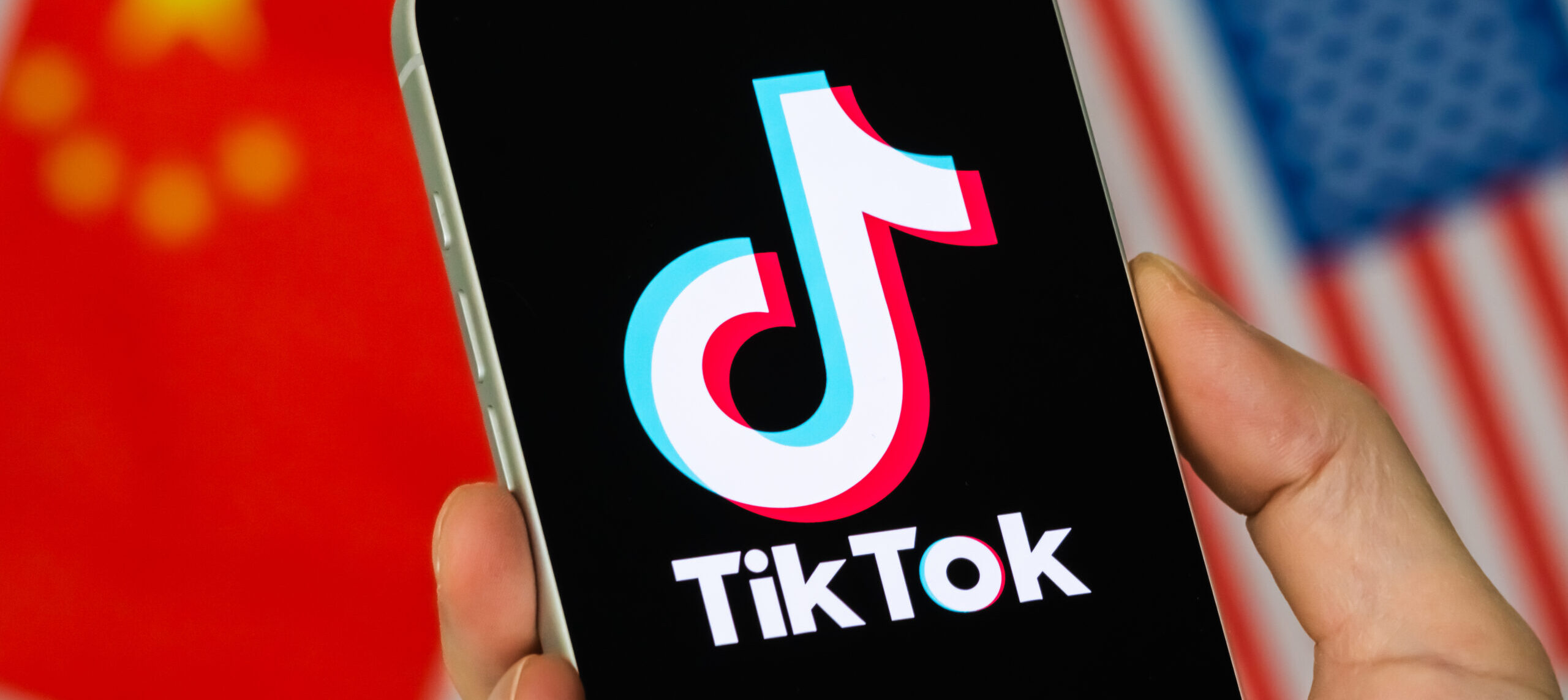
TikTok’s Chinese parent company, ByteDance, relinquished control of American TikTok to the U.S. late last week.
The transaction staves off the looming TikTok ban without sacrificing national security. The platform itself, however, remains as dangerous for America’s 170 million users as ever.
TikTok USDS Joint Venture, an American-controlled company, took over the American divisions of TikTok, Lemon8, CapCut and several other ByteDance apps on Thursday, January 22.
American investors own 50% of the new company. ByteDance retains 19.9% ownership and the remaining 30% belongs to ByteDance investors.
American control of the joint venture solves three national security threats caused by Chinese ownership of ByteDance.
First and foremost, American users’ data will be hosted on U.S.-based servers and protected by U.S. cybersecurity companies.
TikTok always claimed to keep the extensive data it collected on Americans secure. But Chinese law requires companies like ByteDance make their data available to the government.
A congressional investigatory committee determined Chinese officials had mined Americans’ TikTok data on multiple occasions, including:
- Names
- Ages
- Emails
- Phone numbers
- Contact lists
- In-app messages and usage patterns
- IP addresses
- Keystroke patterns
- Browsing and search history
- Location data
- Biometric information like face- and voiceprints
Chinese access to ByteDance’s data extended to TikTok’s powerful content recommendation algorithm. TikTok USDS will reset the algorithm and retrain it on American content alone, ensuring China can no longer manipulate what U.S. citizens see on TikTok.
ByteDance will no longer perform content moderation under TikTok USDS, further preventing China from censoring or influencing the success of Americans’ posts.
ByteDance’s divestiture of American TikTok satisfies the Protecting Americans from Foreign Adversary Controlled Applications Act — the ban-or-sell law which required the company to sell majority ownership of TikTok for the app to remain available in America.
President Donald Trump passed an executive order delaying enforcement of the ban in January 2025, giving TikTok time to negotiate with American buyers. When ByteDance and U.S. investors established a framework for the deal in September, the president gave the parties another 120 days to sign on the dotted line.
The launch of TikTok USDS Joint Venture on January 22 came just one day before the deadline.
American control of TikTok might well protect citizens from global security threats. It does not, however, protect users from TikTok itself.
Thirteen states and the District of Columbia sued TikTok in October 2024 for illegally collecting and monetizing American children’s data.
The suits estimated as much as 35% of TikTok’s American ad revenue under ByteDance came from children and teens. Importantly, ByteDance will retain control of TikTok’s e-commerce, marketing and advertising under the TikTok USDS.
The 2024 lawsuits exposed documents showing TikTok not only knew its app was addictive, but that compulsive use in teens caused “a slew of negative mental health effects like loss of analytical skills, memory formation, contextual thinking, conversational depth, empathy, increased anxiety … [and interference] with essential responsibilities like sufficient sleep, work/school responsibilities and connecting with loved ones.”
An estimated 95% of American smartphone users under 17 years old use TikTok, according to one of the platform’s own reports.
Still, TikTok workers did not consider it their responsibility to limit minors’ use of the platform — even when creating a tool allowing parents to set TikTok time limits for their kids.
“Our goal is not to reduce the time spent [on TikTok],” a project manager for the tool wrote in an employee group chat.
“[The goal is] to contribute to daily active users and retention [of other users],” another chimed in.
TikTok evaluated the success of the time limit tool based on one metric alone: “Whether it improved public trust in the TikTok platform via media coverage.”
TikTok doesn’t just fail to protect kids — it targets them. When the Apple App Store challenged TikTok’s 12-and-up age rating in 2022, arguing its “frequent or intense mature or suggestive content” warranted a 17-and-up rating, TikTok refused to change it.
The Daily Citizen supports policies which protect American families from foreign threats. But make no mistake — TikTok remains a dangerous place, particularly for young users.
Parents should think long and hard before allowing their kids to take part.
Additional Articles and Resources
Plugged In Parent’s Guide to Today’s Technology
TikTok Dangerous for Minors — Leaked Docs Show Company Refuses to Protect Kids
TikTok Scrambles Amid Looming Ban
Supreme Court Upholds TikTok Ban
Tim Tebow to Parents: ‘Please Be the Protectors You’re Called to Be’