America’s Ongoing Battle With Cocaine Addiction

The Department of Justice (DOJ) indicted Venezuelan strongman Nicolas Maduro for helping traffic “thousands of tons” of cocaine into America over the past 25 years.
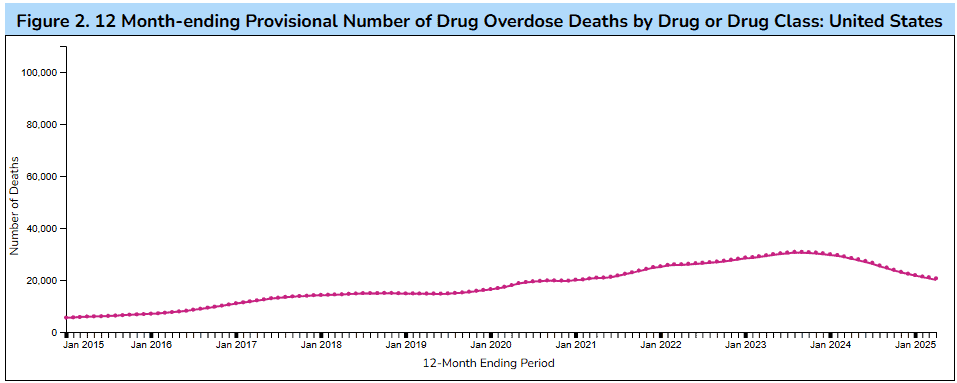
The case marks the federal government’s latest effort to disrupt cocaine trafficking to the U.S. Despite nearly four decades of public policy beating back the deadly drug, cocaine continues to kill tens of thousands of Americans every month.
At least 1.5 million people died of cocaine-related overdoses from 2020 through 2024, according to the Centers for Disease Control (CDC). The true number is likely much higher.
Though Maduro pled “not guilty” to all charges in federal court yesterday, the DOJ maintains the deposed dictator and his co-defendants profited from connecting Columbian cocaine manufacturers with the Mexican drug cartels who smuggle the drug into the U.S.
“Venezuela sits in a geographically valuable location for drug traffickers,” the indictment against Maduro reads, “with northern access to the Caribbean Sea … and western access to the mountainous regions of Columbia, where coca is grown and turned into the vast majority of the world’s cocaine supply.”
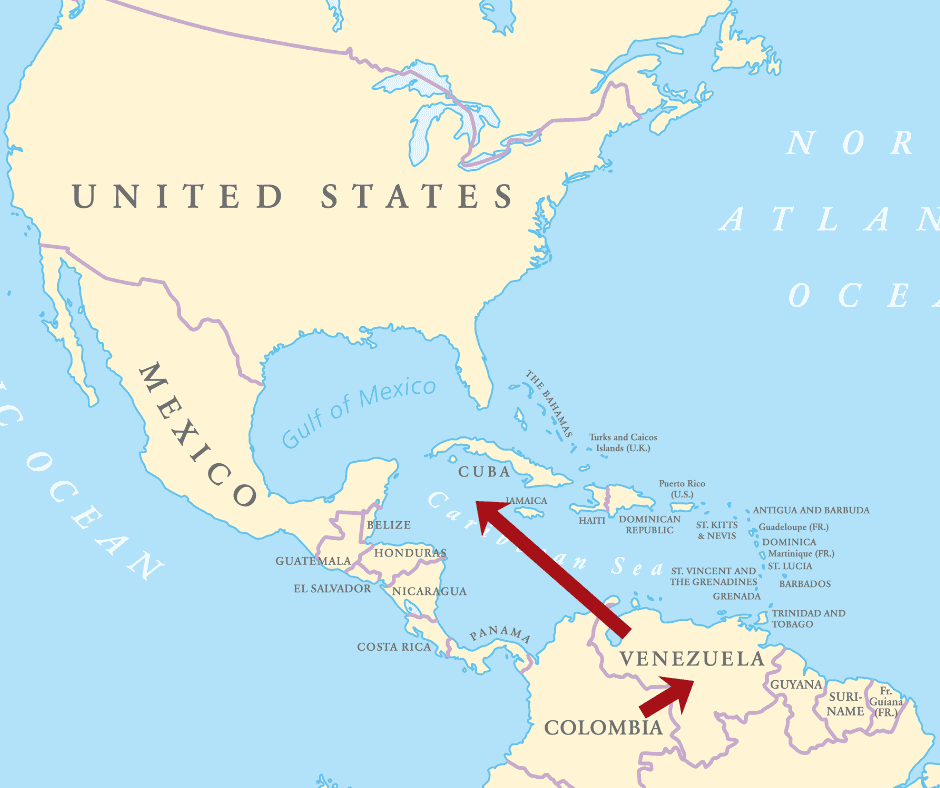
The DOJ claims Maduro and his associates got rich from offering drug cartels and manufacturers sanctuary in Venezuela.
Maduro’s alleged narcotrafficking is largely an open secret. The DOJ charged him with the same offense in 2020, claiming he and 14 other Venezuelan officials knowingly facilitated the annual trafficking of between 200 and 250 metric tons of cocaine north to the U.S.
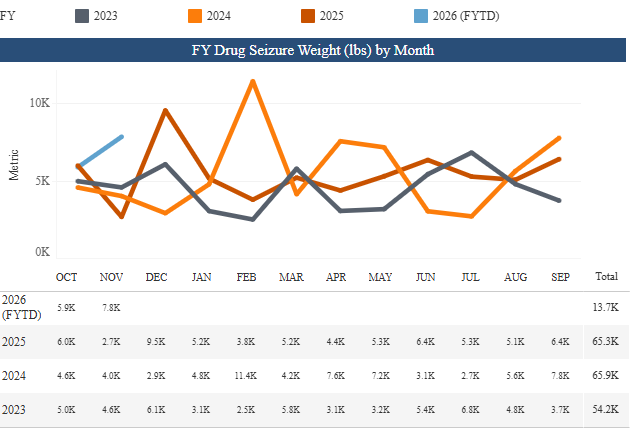
These quantities, if correct, could account for much of the cocaine smuggled into America every year. Law enforcement seized an average of 230 tons of cocaine each year from 2020 through 2024, according to the Drug Enforcement Administration’s 2024 cocaine report.
Customs and Border Protection confiscates approximately 30 tons each year at America’s southern land border and coastal borders.
The capture and prosecution of Maduro may seem inconsequential to families. Don’t be fooled! Parents play a crucial role in America’s ongoing battle against cocaine addiction.
No parent ever believes their child could ever face debilitating addiction. But drugs do not discriminate.
Of the nearly five million Americans who reported using cocaine in the past year on the 2024 National Survey on Drug Use and Health, more than 800,000 were young adults ages 18 through 25.
A whopping 72,000 were minors ages 12 through 17.
Children of every age, from every family, faith background and neighborhood can be vulnerable to addiction. Parents and caregivers should keep an eye out for signs their child or loved one may need help, including:
- Premature use or overindulgence in mind-altering substances, including alcohol.
- Worsened performance in school.
- Decreased social interaction or participation in extracurricular activities.
- Unexplained absences.
- Disappearance of money or valuables.
Protecting children from drug addiction also requires proactive, honest conversations. Educate your children about the physical, mental and spiritual consequences of drug addiction. Remind them you are a safe place where they can seek help and advice.
These conversations should not address addiction to drugs alone. Though substance abuse often leads to worse physical outcomes for those who are addicted, reliance on anything other than Jesus Christ causes instability and trouble (Psalm 118:8; Proverbs 29:25, ESV).
Total reliance on God, in contrast, leads to everlasting life and peace.
“Blessed is the man who trusts in the Lord, whose trust is in the Lord,” Jeremiah 17:7-8 (ESV) reads.
“He is like a tree planted by water, that sends out its roots by the stream, and does not fear when heat comes, for its leaves remain green, and is not anxious in the year of drought, for it does not cease to bear fruit.”
America cannot successfully fight cocaine addiction and death unless the federal government and parents work together in their respective spheres of influence. Intentional, proactive teaching about drugs and addiction can change your child’s life for the better.
Additional Articles and Resources
The Vicious Truth About Drug Addiction and Alcoholism
Talking With Your Teens About Drugs and Alcohol
President Trump Loosens Restrictions on Marijuana — But the Grass Isn’t Greener on the Other Side
Focus’ Jim Daly to Pres. Trump: Strongly and Unequivocally Oppose Reclassification of Marijuana
Taxpayer-Funded ‘Harm Reduction’ Nonprofit Hands Out Drug Paraphernalia
New Law Increases Penalties for Manufacturing, Distributing Fentanyl
British Columbia Walks Back Harm Reduction Law
Fentanyl Overdoses Rise, Connection to Illegal Immigration


ABOUT THE AUTHOR