France Passes Law Banning Under-15s From Social Media
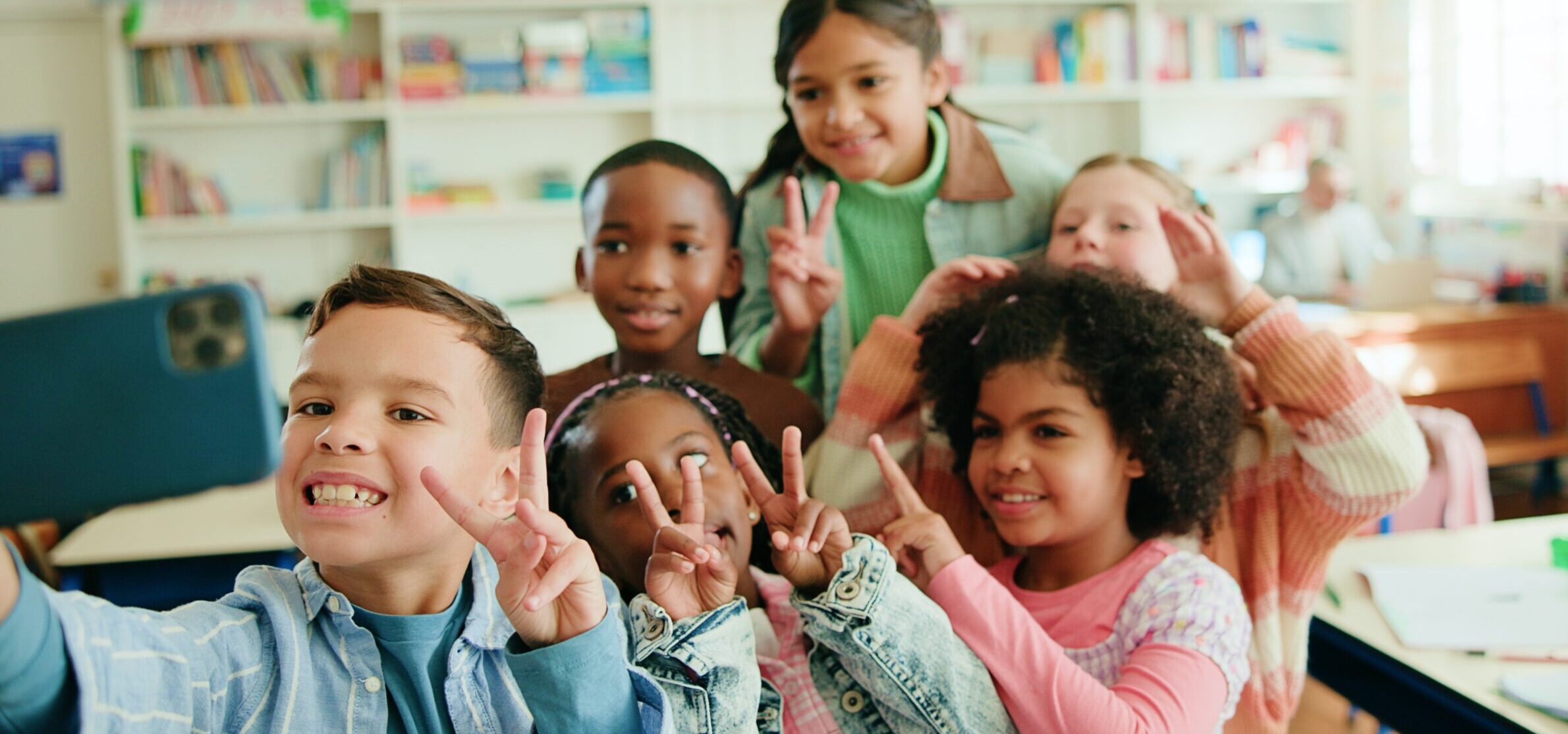
France passed a law last Tuesday banning children younger than 15 years old from using social media.
The legislation, which French parliament members passed in a 279-81 vote on July 21, will require social media platforms like Snapchat, Instagram and TikTok to identify and block users under 15 years old.
The law also includes a bell-to-bell ban on cell phones in French high schools. The country already prohibits phones in elementary and middle schools.
“France is leading the way in Europe when it comes to protecting our children and teenagers,” French President Emmanuel Macron commented in a video posted to X.
The law must pass a constitutional review before it can take effect. If approved, children under 15 would be unable to create new accounts on regulated social media platforms starting in September.
Social media companies would be required to block all users under 15 by January 2027.
France is the second nation to pass an age-based social media ban. Australia passed the first, which keeps all kids under 16 off social media, in 2024. The policy went into effect in December 2025.
Now, The Independent reports, dozens of countries are considering or actively legislating similar bans, including:
- Austria
- Denmark
- Germany
- Greece
- Norway
- Poland
- Slovenia
- Spain
- Portugal
- Canada
- Thailand
- Indonesia
- Malaysia
Former UK Prime Minister Keir Starmer introduced a policy like Australia’s in June, saying he hoped to pass it by Christmas. His resignation left the legislation in limbo.
The European Union is reportedly workshopping policy which would prevent children under 13 from accessing social media platforms, AI chatbots and certain types of video games.
Many social media platforms already prohibit users under 13 in their usage agreements.
While few contest social media’s destructive impact on children, some question the efficacy of age-based social media bans.
Critics of France’s policy pointed to data from Australia illustrating the difficulty of enforcing age verification requirements.
A March survey by the Australian government found seven in 10 surveyed parents whose children had an account on Facebook, Instagram, Snapchat or TikTok prior to the ban reported their children still had access to their account after the ban took effect.
The report out of Australia identifies a lot of room for improvement, both in how the government enforces the ban and in how social media companies use age verification technology. But the data isn’t all negative.
Before the ban, nearly half of the parents surveyed said their child had an account with at least one of the restricted social media platforms. After the ban, less than one third reported the same.
Even at its best, age verification won’t prevent every child from accessing social media. But psychology professor Jean Twenge believes policies like Australia’s and France’s don’t have to be 100% perfect to be effective.
Twenge uses underage drinking laws as an example. Though the laws didn’t stop people under 21 from accessing alcohol, they did reduce deaths from car accidents and alcohol’s popularity with teens.
Ultimately, Twenge explains, policies like underage drinking laws and social media bans are stop gap measures which cause, but don’t replace, social change.
“The government got better at enforcing [underage drinking laws], and then social norms took over and made it less acceptable to drink while underage,” she writes in a piece for Generation Tech, predicting:
The government and social media industry should take steps to protect children. European Commission President Ursula von der Leyen says it well:
But, by the same token, parents should avoid products they know are dangerous. We don’t eat contaminated food products. We don’t drive cars with poor safety ratings. Parents should seriously consider keeping their children off social media social media — a product which mounting evidence suggests is defective by design.
Industry and government solutions are essential. They are also costly, fallible and slow moving. But parents bear ultimate responsibility for their children’s safety. They should always take their own steps to protect their kids from internet predation, including taking away their internet access.
A flip phone never hurt nobody. The same can’t be said of smartphones.
For more information keeping your kids safe online, read the articles below.
Additional Articles and Resources
Counseling Consultation & Referrals
Parenting Tips for Guiding Your Kids in the Digital Age
New AI Tool Helps Parents Keep Kids Safe Online
Australia Bans Kids Under 16 Years Old From Social Media
More Than Twenty States Limit Smartphone Use in Schools
Texas Can Enforce App Store Accountability Act — For Now
Lawsuit Against Snapchat Latest in Social Media Accountability Push
Juries in California, New Mexico Rule Against Meta
New Mexico Accuses Meta of Egregious Harm to Children in Court Case
Social Psychologist Finds Smartphones and Social Media Harm Kids in These Four Ways
Four Ways to Protect Your Kids from Bad Tech, From Social Psychologist Jonathan Haidt
Survey Finds Teens Use Social Media More Than Four Hours Per Day — Here’s What Parents Can Do
‘The Tech Exit’ Helps Families Ditch Addictive Tech — For Good
Parent-Run Groups Help Stop Childhood Smartphone Use