IRS: Pastors and Politicians Don’t Lose First Amendment Rights in Pulpit
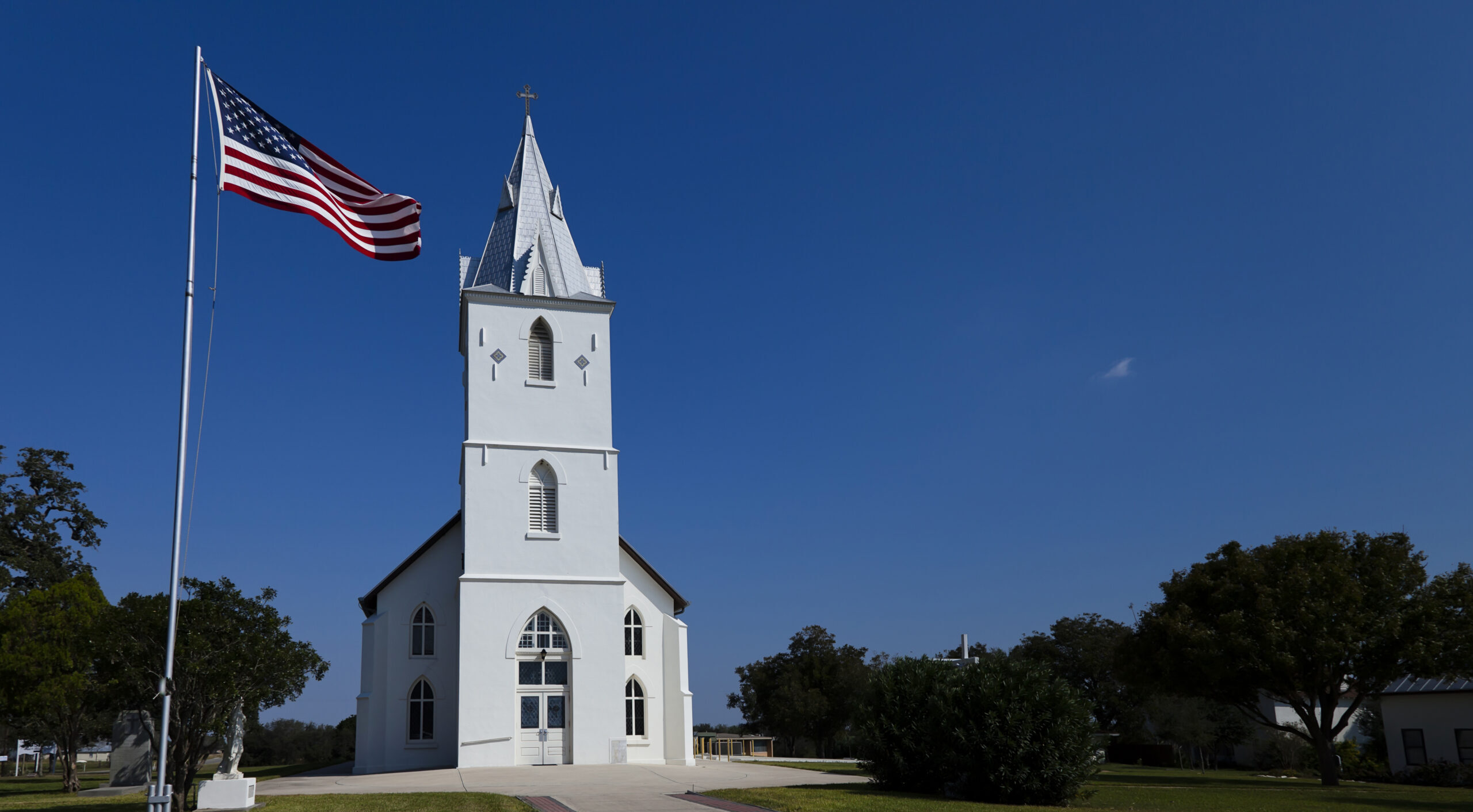
It turns out, pastors or candidates for office are allowed to talk politics from the pulpit.
That’s a ruling that came out Monday from the Internal Revenue Service in a joint motion that seeks to settle a lawsuit filed by the National Religious Broadcasters (NRB) and two churches in Texas.
From the IRS filing:
When a house of worship in good faith speaks to its congregation, through its customary channels of communication on matters of faith in connection with religious services, concerning electoral politics viewed through the lens of religious faith, it neither “participate[s]” nor “intervene[s]” in a “political campaign,” within the ordinary meaning of those words. To “participate” in a political campaign is “to take part” in the political campaign, and to “intervene” in a political campaign is “to interfere with the outcome or course” of the political campaign.
Bona fide communications internal to a house of worship, between the house of worship and its congregation, in connection with religious services, do neither of those things, any more than does a family discussion concerning candidates. Thus, communications from a house of worship to its congregation in connection with religious services through its usual channels of communication on matters of faith do not run afoul of the Johnson Amendment as properly interpreted.
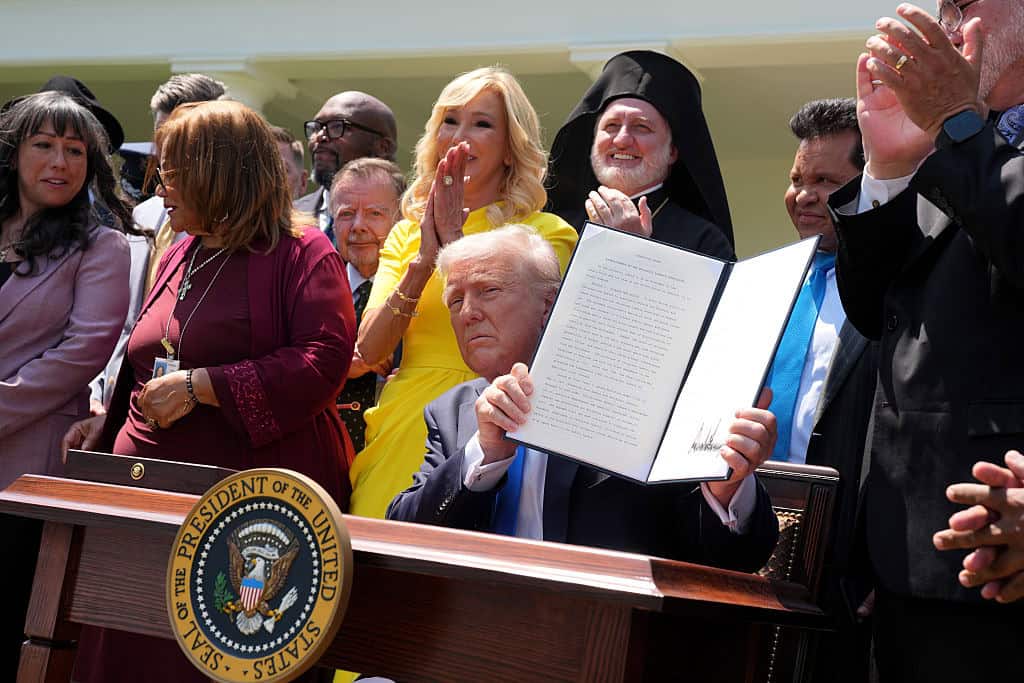
The Johnson Amendment, which was added to the tax code in 1954, prohibits 501(c)(3) nonprofit organizations and churches from campaigning on behalf of a political candidate. Back in 2017, President Trump signed an executive order limiting the amendment’s enforcement.
The lawsuit filed by the NRB and two Baptist churches suggested the tax code was discriminatory towards churches and that the IRS “operates in a manner that disfavors conservative organizations and conservative, religious organizations” when it comes to applying and enforcing the law.
Earlier this spring, Focus on the Family joined fifteen other organizations in supporting the Free Speech Fairness Act, legislation that would basically enshrine into law the essence of what the IRS filed on Monday.
Despite claims to the contrary from its critics, the bill wouldn’t unleash a reckless free-for-all, but would instead allow non-profit organizations and their representatives to comment on candidates or political matters so long as what’s being said is germane to the organization’s purpose.
Responding to Monday’s IRS decision, Kelly Shackelford, President, CEO, and Chief Counsel for First Liberty, stated:
First Amendment rights don’t end when a pastor, church member or even a political candidate steps on the platform of a church. The IRS weaponized the Johnson Amendment to silence churches and pastors for decades. This is great news for religious organizations, churches, and religious liberty.
The IRS announcement is commonsense. It’s been outrageous that organizations have been muzzled or intimidated into silence, especially when candidates advocate or hold to positions that are contrary to God’s Word.
Pastors who have steered clear of addressing moral issues out of fear that it might be perceived as political should now readjust and reconsider what they say from the pulpit. In fact, ministers have an obligation to share God’s truth and shouldn’t be afraid to proclaim and defend it in the pulpit. Surprisingly but thankfully, the IRS now agrees.
Image from Getty.