Alaska Surrogate Battles to Keep Baby After Abortion Demand
What happens when a surrogate refuses to abort the baby she’s carrying?
This week, Live Action News released an exclusive interview that shines light on a significant moral dilemma surrounding surrogacy: What happens when motherhood is commercialized, and babies are treated like property that can be discarded through a contract?
Surrogate Backstory
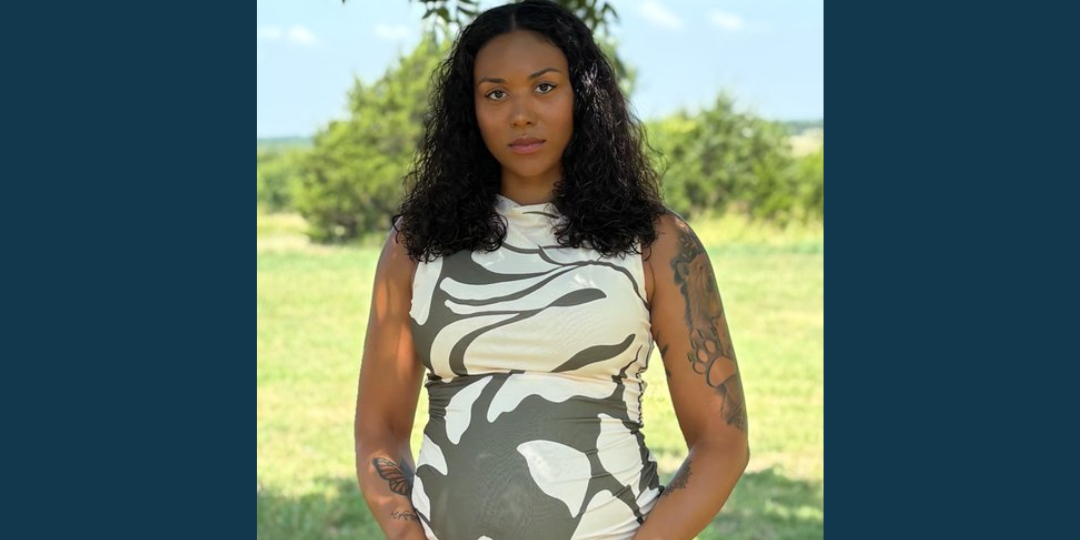
According to Live Action News, McKenna West, an Alaskan nurse and single mom, agreed to become a surrogate for a couple from California to help them experience the gift of a child.
Everything seemed to be going well until the 20-week ultrasound, when doctors diagnosed the baby boy, whom McKenna calls Gabriel, with hypoplastic left heart syndrome, a serious congenital heart defect. The diagnosis is life-threatening and requires multiple surgeries between birth and three years of age, but it is treatable.
According to McKenna and court filings obtained by Live Action News, the couple told her to get an abortion, per the surrogate contract. She refused, and the couple filed a lawsuit against her.
According to court documents, no doctor in Alaska would perform an abortion at 22 weeks, which would have entailed dismembering the baby’s body.
McKenna says a podcaster friend got in touch with Lila Rose of Live Action, and Lila agreed to help McKenna and her children get to Texas, where heart specialists could save baby Gabriel’s life.
The California couple stopped sending money to McKenna because she refused to abort the baby. They’re now demanding that their money be returned and are seeking additional monetary damages.
Current Situation
McKenna is now 36 weeks pregnant and in Texas. Gabriel is due September 2, 2026.
In a lawsuit, the California couple is demanding that McKenna travel to California to deliver the baby, where it is unclear if they will provide the medical care that he needs or leave him to die after birth.
McKenna says she is willing to travel to California to deliver Gabriel, but only if they guarantee he will be given the medical assistance he needs to live. According to Live Action News, the California couple has not agreed to this condition.
McKenna has filed for custody of Gabriel so she can authorize doctors to perform life-saving heart surgery after he is born.
Couples seeking surrogates almost always choose to work with gestational surrogates who are not genetically related to the baby, rather than traditional surrogates, to increase their chances of retaining legal authority over the child.
The legal proceedings are ongoing in Alaska and in California. It’s possible a court in California could determine where McKenna gives birth and what medical team provides care to Gabriel.
McKenna is being represented by Lincoln Wilson, a former Alliance Defending Freedom attorney who is now a partner at First & Fourteenth PLLC.
Bigger Picture
Advocates of surrogacy have mostly considered the practice as an act of generosity that helps families have children. There are likely many people who have entered into these agreements with compassionate and sincere intentions to do good. But commercial surrogacy raises significant moral questions that must be addressed.
What happens when a baby has a disability?
What happens when a baby doesn’t meet the expectations of adults?
What happens when adults disagree about whether the child should have the opportunity to live?
Should a woman be forced to get an abortion?
These might sound like hypothetical questions, but they aren’t for McKenna and baby Gabriel.
For those of us who believe that every human life has inherent dignity and worth, regardless of a diagnosis or disability, this case is a sober reminder of what’s really at stake with IVF and surrogacy.
It is also a reminder that while contracts might establish legal rights, or attempt to treat children as property, they cannot erase the humanity of a baby.
The consequences of commercial surrogacy and IVF can literally mean life or death for preborn babies.
It’s time for all Americans of good will to think clearly and carefully about the negative impacts of commercial surrogacy and IVF. Babies are not products. Parenthood isn’t just a contractual relationship. And the value of human life should never depend on age, location, ability, or dependency.
The Daily Citizen will continue to follow this developing story.
Related articles and resources:
Perspectives on Surrogate Motherhood
What Does The Bible Say About Surrogacy?
Photo from Live Action.