Nvidia Scandal Shows Personal Morality Is a Public Matter
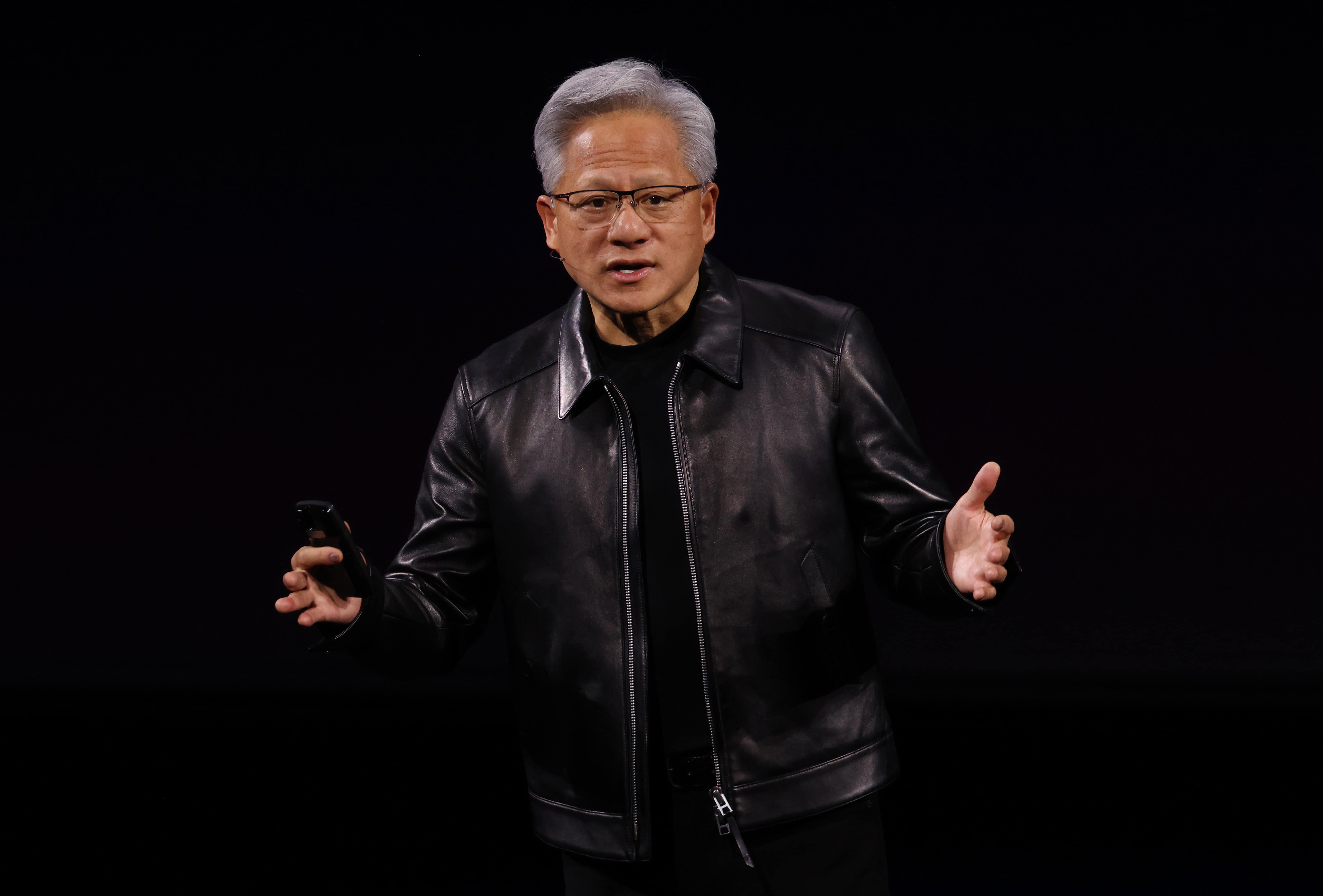
It’s an understatement to say that extramarital affairs are personally, emotionally, and spiritually costly, but they’re also corporately devastating when they involve a company like NVIDIA, an American multinational technology firm.
When news of CEO Jensen Huang’s extramarital affair with a Chinese spy was revealed on Monday, the company’s market value fell by $430 billion as investors dumped its stock in a sharp sell-off.
Wrote the Wall Street Journal’s James Mackintosh, “Having your chief executive admit an affair that is claimed to be with an executive at a major, and controversial, customer is exactly the sort of thing that should matter to investors and the board—even if she isn’t a spy.”
Like most Fortune 500 companies, NVIDIA has an extensive “code of conduct” employees are required to adhere to. It’s a 17-page document that includes a distillation of the organization’s “core values.”
Under the ‘Integrity and Fairness’ header, we read “Managers at NVIDIA play a special role promoting equitable and ethical decisions … managers are expected to provide proper guidance to employees and are required to report or escalate suspected violations of our code or our policies promptly.”
What will the company do now that its own CEO appears to have clearly violated the rules?
In addition to the FBI being involved, an independent corporate investigation is underway. A shareholder has filed a related lawsuit claiming the company misled investors about the affair. It seems that in addition to the mistress being a spy, she was connected to a Singapore-based company the Commerce Department was investigating.
According to media reports, Jensen Huang has apologized to his wife and children. He reportedly told them, “There is no excuse for what I did.”
Jensen and Lori Huang have been married for 41 years. They met as engineering students at Oregon State University in the early 1980s. While Mrs. Huang has been known to keep a relatively low profile, she serves as president of the Jen-Hsun Lori Huang Foundation, which has $9 billion worth of assets.
While the Huang affair has elicited significant media coverage this past week, the tragic theme of marital infidelity is regularly in the headlines – especially when so much money and power are involved.
You might remember that Amazon founder Jeff Bezos and Microsoft co-founder Bill Gates both divorced following extramarital affairs. During an interview on The Today Show, Gates acknowledged, “I certainly made mistakes, and I take responsibility … The divorce is definitely a sad thing. I have responsibility for causing a lot of pain to my family. It was a tough year.”
While there’s no way of knowing how frequently extramarital affairs occur in the United States, a recent study found that 3% of married couples reported having had one in a given year. With 60 million married couples in the country, that would mean more than 1.8 million couples are suffering through the consequences of a recent betrayal. Approximately 16% reported having had at least one across their lifetime.
Christians understand that sexual faithfulness within marriage is a command. God declares in Exodus “You shall not commit adultery” (20:14). We read in Hebrews, “Marriage should be honored by all, and the marriage bed kept pure, for God will judge the adulterer and all the sexually immoral.”
The Huang debacle demonstrates once more that personal character matters even when professional accomplishments generate billions of dollars. Our private behavior will eventually manifest in public ways. As Jesus warned, “Nothing is covered up that will not be revealed, or hidden that will not be known” (Luke 12:2).
Infidelity in marriage doesn’t just harm a spouse or children but reverberates well beyond the family borders – and for generations to come.
Despite what popular culture seems often to project, marriage isn’t simply a private relationship between two people. Instead, marital faithfulness is essential to building a healthy, trustworthy, and stable society – and yes, the corporate world as well.