Senate Waffles on Banning Hemp-Derived THC
A Senate spending bill proposed this week would delay the enforcement of a long-awaited ban on hemp-derived THC.
This followed a federal data dump showing that, for the first time ever, more Americans use marijuana every day than cigarettes.
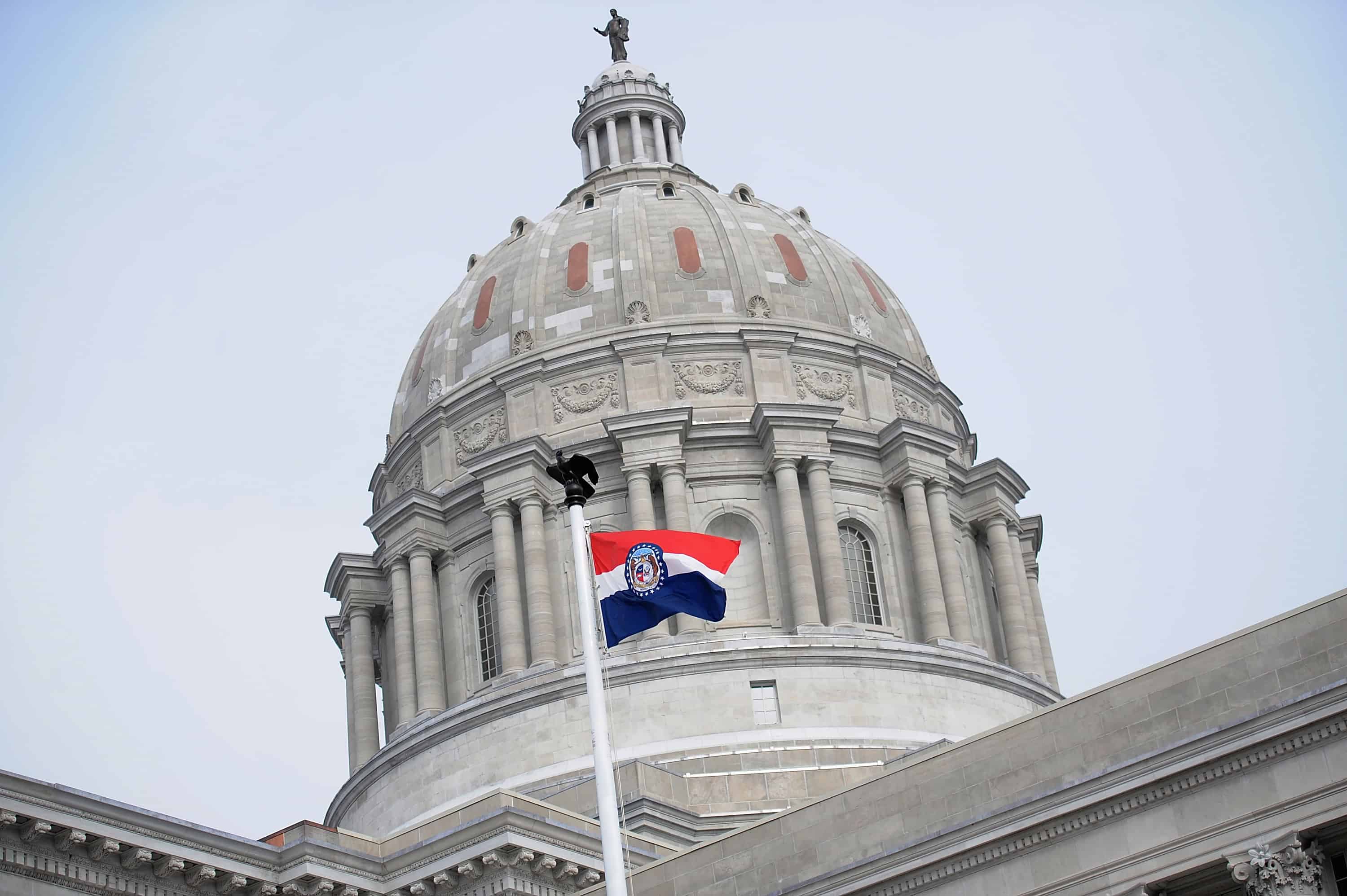
The Senate’s Continuing Appropriations and Extensions Act of 2027 would extend the government’s funding until December 11. The act includes a provision delaying the enforcement of the federal ban on hemp-derived THC until December 11.
The prohibition is currently set to take effect on November 12.
The ban is part of Public Law 119-37, which President Donald Trump signed into law in November 2025. It closed an important loophole on the regulation of hemp.
Hemp and marijuana are both cannabis sativa plants. Hemp has less naturally-occurring Delta-9 THC — the chemical which gets people high. When Congress legalized hemp in 2018, legislators defined it as any sativa plant with less than 0.3% Delta-9 THC.
The going wisdom was, as the Brookings Institute once put it, “Hemp can’t get you high”
This proved to be a costly error. Drug manufacturers can extract, concentrate and alter the naturally occurring chemicals in hemp to be intoxicating. One of these compounds is Delta-8 THC, a chemical cousin of the THC found in marijuana with “[similar] psychoactive and intoxicating effects,” per the Food and Drug Administration.
Chemists make Delta-8 THC by mixing hemp-derived CBD, a cannabis chemical which doesn’t get you high, with household chemicals.
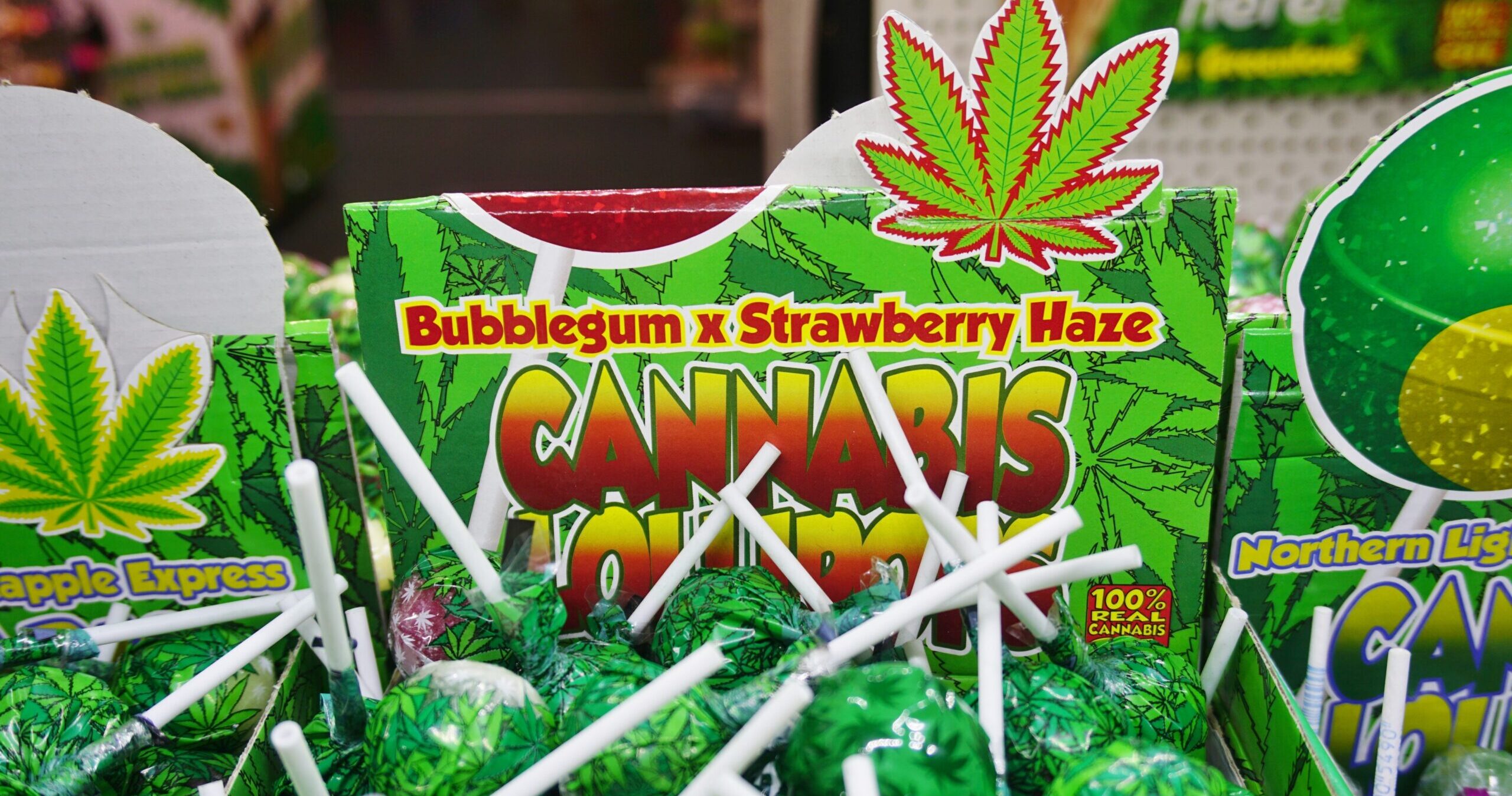
Delta-8 THC is widely available and notorious for being marketed in packaging similar to popular candies.
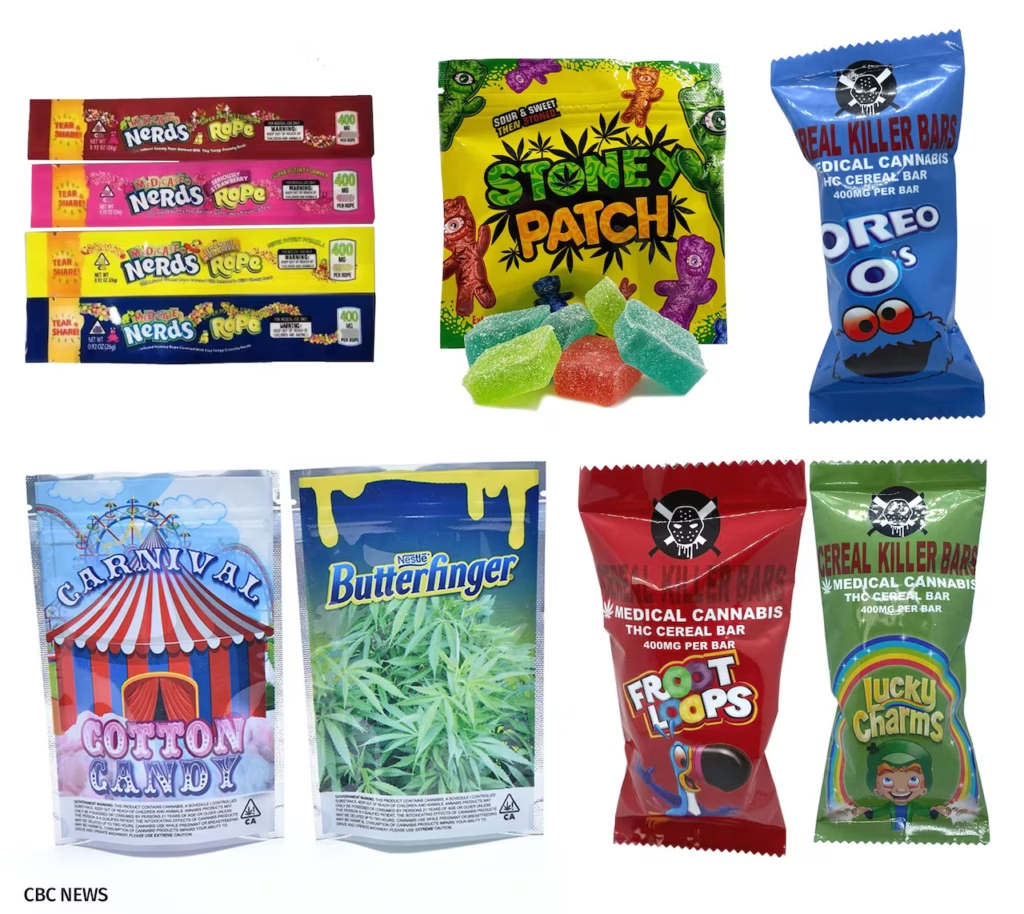
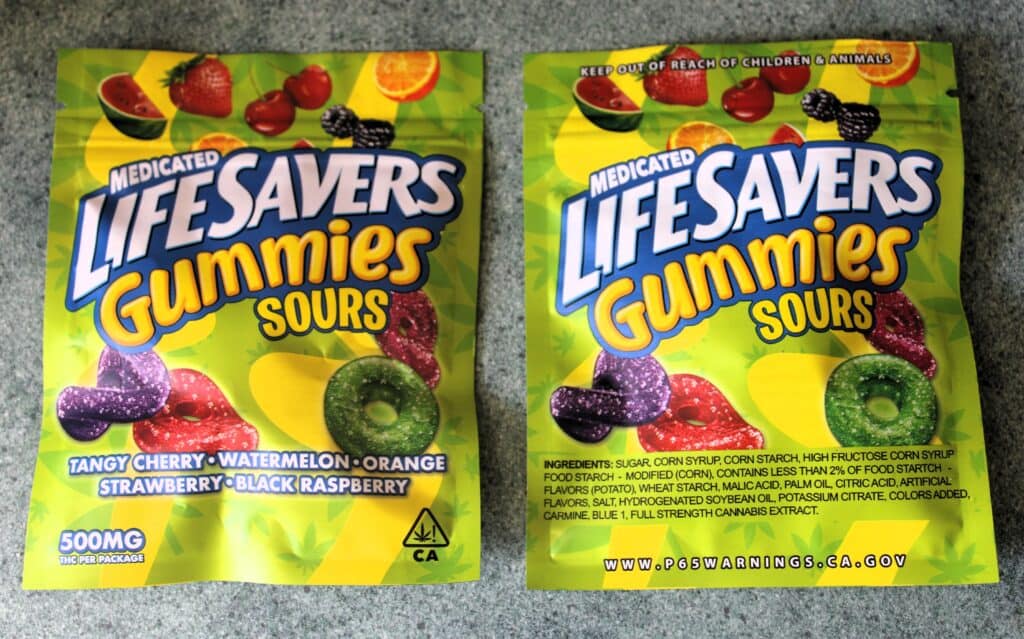
In May 2022, Virginia’s chief medical examiner found “Delta-8 THC toxicity” caused 4-year-old Tanner Clements’ death. The little boy had gotten into his mom’s jar of Delta-8 gummies, which she claimed to believe were CBD gummies.
Tragically, Clements’ case is far from a one-off incident. In 2024, one year after the state legalized the drug, nearly 600 children five years old or younger were admitted to hospitals in Ohio alone after ingesting marijuana.
That’s a more than a 1,100% increase from 2018, when Ohio hospitals started tracking children admitted with marijuana toxicity.
Senators evidently knew of the problems with hemp-derived THC back in November. The Senate overwhelmingly rejected an amendment to strike the ban in a 76-24 vote.
But the new appropriations proposed in the Senate would require only entirely synthetic THC chemicals — which require no physical hemp plants — be prohibited starting on November 12.
The rest of the ban, which would apply to the vast majority of hemp-derived THC products, like candies, would go into effect on December 11.
A month-long delay may not seem like a big deal. But Smart Approaches to Marijuana (SAM), a bipartisan thinktank dedicated to creating thoughtful drug policy, believes the marijuana lobby will try to delay the ban’s enforcement indefinitely, one month at a time.
“The hemp industry knows it doesn’t have the votes,” SAM explains, referencing the vote in favor of the ban last year. “So the play isn’t a bill, it’s the calendar: keep today’s gas-station hemp THC market alive one deadline at a time.”
“Expect another clean extension attempt in December.”
The marijuana industry’s move couldn’t come at a worse time. Last week, the federal Substance Abuse and Mental Health Services Administration (SAMHSA) released data showing more Americans used marijuana daily (21.6 million) in 2025 than smoked cigarettes (19.9 million).
Further, the data most marijuana use isn’t casual. Of the 43.5 million Americans who reported using marijuana in the last month, about half (21.6 million) used daily or every day.
SAMHSA estimates 19.3 million Americans meet the clinical criteria for marijuana usage disorder. More than one million of these are kids 12 to 17 years old.
“The addiction industry has engineered a product that out-addicts the cigarette — the deadliest consumer product in American history,” Kevin Sabet, President and CEO of SAM and former drug policy advisor to three presidential administrations, writes in a press release.
Yet, as evidence of this burgeoning shows up on paper, Congress seems willing to kick the can on a potentially life-saving regulation of hemp-derived THC.
That’s not to mention the Trump administration’s other efforts to reschedule marijuana, a regulatory move which would award the industry up to $2 billion in tax-relief.
“Marijuana is on track to become America’s number one addiction, and Washington is looking the other way,” Sabet summarizes.
Last December, Focus on the Family President Jim Daly wrote a letter to President Trump encouraging him to “strongly and unequivocally” oppose marijuana’s reclassification.
“It’s imperative for our federal government and leaders to continue sending a strong message about the negative impact of marijuana use and addiction,” Daly wrote.
Though President Trump did not heed Daly’s advice, parents still can. Teach your children what the industry won’t — that marijuana and hemp-derived intoxicants are damaging, addictive and dangerous, even after a single use. Warn them against eating unwrapped candy or candy with wrappers that seem “off.” Most importantly, exemplify biblical, sober living in your own life.
Additional Articles and Resources
Help With Substance Abuse and Addiction
Talking With Your Teens About Drugs and Alcohol
President Trump Unveils Plan to Combat Drug and Alcohol Addiction
Focus’ Jim Daly to Pres. Trump: Strongly and Unequivocally Oppose Reclassification of Marijuana
President Trump Loosens Restrictions on Marijuana — But the Grass Isn’t Greener on the Other Side
Parents — Times to Tackle Marijuana Myths
THC-Laced Snacks Marketed to Kids, Hemp to Blame
Marijuana Causing Psychosis in Young People, Legacy Media Late to Party


ABOUT THE AUTHOR