Unregulated and Addictive — What Parents Need to Know About Kratom
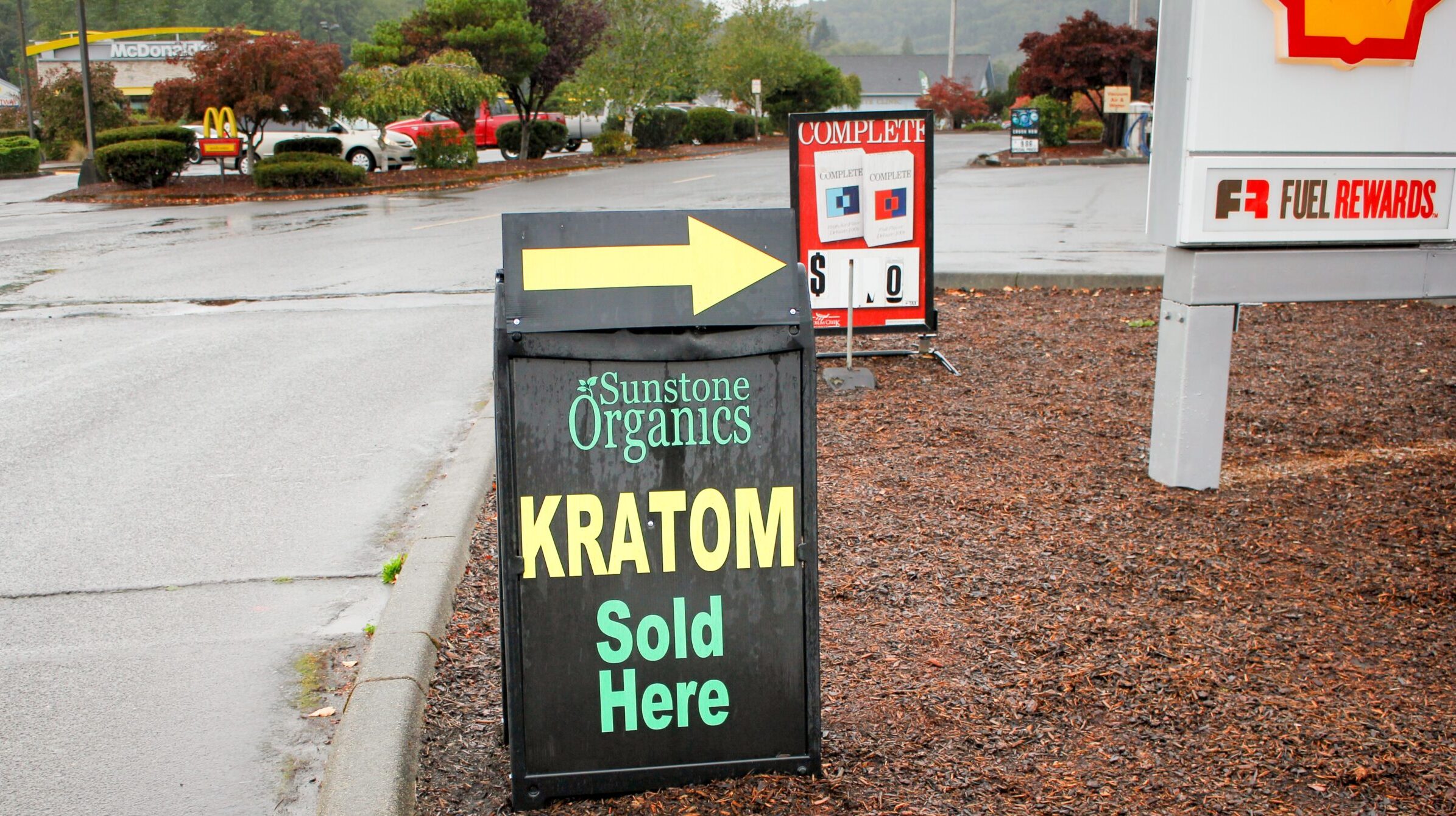
Gas stations and grocery stores across America are selling kratom — an unregulated, addictive drug that works like an opioid.
Kratom, sometimes called gas station heroin, comes from the leaves of a tree native to Southeast Asia. The leaves naturally contain a psychoactive chemical called mitragynine, which affects the brain’s opioid and mood receptors.
In small doses, kratom — mitragynine — acts like a stimulant, which might increase focus and energy. In larger doses, the drug acts like a sedative.
Kratom is not harmless. The federal Drug Enforcement Administration (DEA) warns consumption can lead to “psychotic symptoms, including hallucinations, delusion and confusion, and psychological and physiological dependence.”
The FDA does not approve kratom for any use in medicine or food because of “the risk of serious adverse events, including liver toxicity, seizures and substances use disorder.”
Ten states — Louisiana, Arkansas, Tennessee, Indiana, Alabama, Maryland, Connecticut and Vermont — do not allow the sale of kratom. The DEA took steps to make kratom a Schedule 1 drug, like LSD and meth, in 2016, but stopped short after facing industry and stakeholder backlash.
The DEA lists kratom as a Drug of Concern but still does not restrict its sale.
Evidence of kratom’s danger has not stifled its growing popularity. Kratom became more prevalent and potent over the past several years, in part, because kratom companies market their products as part of a conscientious, sober lifestyle.
One of the most popular — and infamous — of these kratom “wellness” products is Feel Free, which manufacturer Botanic Tonics describes as an herbal supplement “designed to create a state of chilled energy, helping to clear your mind and elevate your mood, so you can be more present and in the moment.”
Botanic Tonics billed Feel Free, which launched in 2020, as a health-conscious alternative to drinking and doing drugs. But the little blue bottles contained no health information until last year, when the company spent nearly $9 million to settle a proposed class action suit alleging it marketed Feel Free as a “safe, sober and health alternative to alcohol” — without warning that consuming kratom could also lead to addiction.
Bottles of Feel Free now warn users: “Can be habit forming.” The nutrition label reads, “DO NOT USE if you have a history of substance abuse.”
But, according to Arizona Attorney General Kris Mayes, Botanic Tonics intentionally marketed their products to people seeking sobriety from alcohol without warning them of the risks of kratom addiction.
The allegation is part of a suit Mayes filed against the company late last month for violating Arizona’s Consumer Fraud Act. The filing, which Mayes’ office filed in Maricopa county on September 23, further alleges Botanic Tonics:
- Intentionally tries to obscure the amount of kratom in Feel Free.
- Fails to adequately disclose the risk of addiction and withdrawal associated with kratom.
- Deceptively markets Feel Free as a safe health and energy shot.
The Arizona Department of Health Services reportedly identified 146 deaths from kratom in the state from 2020 to 2023 alone.
This distressing information corroborates a December 2023 exposé on kratom from The Tampa Bay Times. Though across the country from Arizona, the Bay Times found 580 people died of kratom-related causes in Florida between 2013 and 2023. Of those, 46 people overdosed on kratom alone.
The Bay Times investigation also indicates negligent and deceptive labeling extends throughout the kratom industry. Of the 20 kratom products they tested, the reporters observed:
The mytragynine concentration of some mixtures dwarfed others. But even weaker offerings can be dangerous when consumed in large amounts.
A Palm Beach, FL family sued Botanic Tonics in June this year after they discovered their son, musician Kevin Oliveira, dead. Oliveira reportedly began drinking Feel Free in 2023. His addiction worsened until his death in April 2025. His family reportedly discovered him next to a bottle of the Kratom shot.
Oliveira’s cause of death was mitragynine toxicity, the Palm Beath County medical examiner found.
Botanic Tonics’ website still claims, “When consumed as directed [up to two ounces every 24 hours], Feel Free has not been shown to cause any serious physical harm.”
The company has also started marketing the beverages, not as a kratom product, but as a “kava shot for focus.” Kava root is another ingredient in Feel Free.
Kratom-related harm isn’t limited to Florida or Arizona. The CDC entered nearly 3,500 reports of kratom-related poisoning into the National Poison Data System in 2025 — a nearly 1,200% increase from the 258 reports entered in 2015.
Of the people poisoned, 233 died.
The lack of federal restrictions on kratom may make it seem less dangerous than other illegal substances. Please do not let your children make this mistake. Warn them about kratom — and check your wellness products to ensure you aren’t ingesting any by mistake.
Additional Articles and Resources
Counseling Consultation and Referrals
Resources: Substance Abuse & Addiction
Idaho Ballot Measure Would Lock Out Companies Looking to Legalize Weed


ABOUT THE AUTHOR