Virginia School District Open to Canceling Christmas
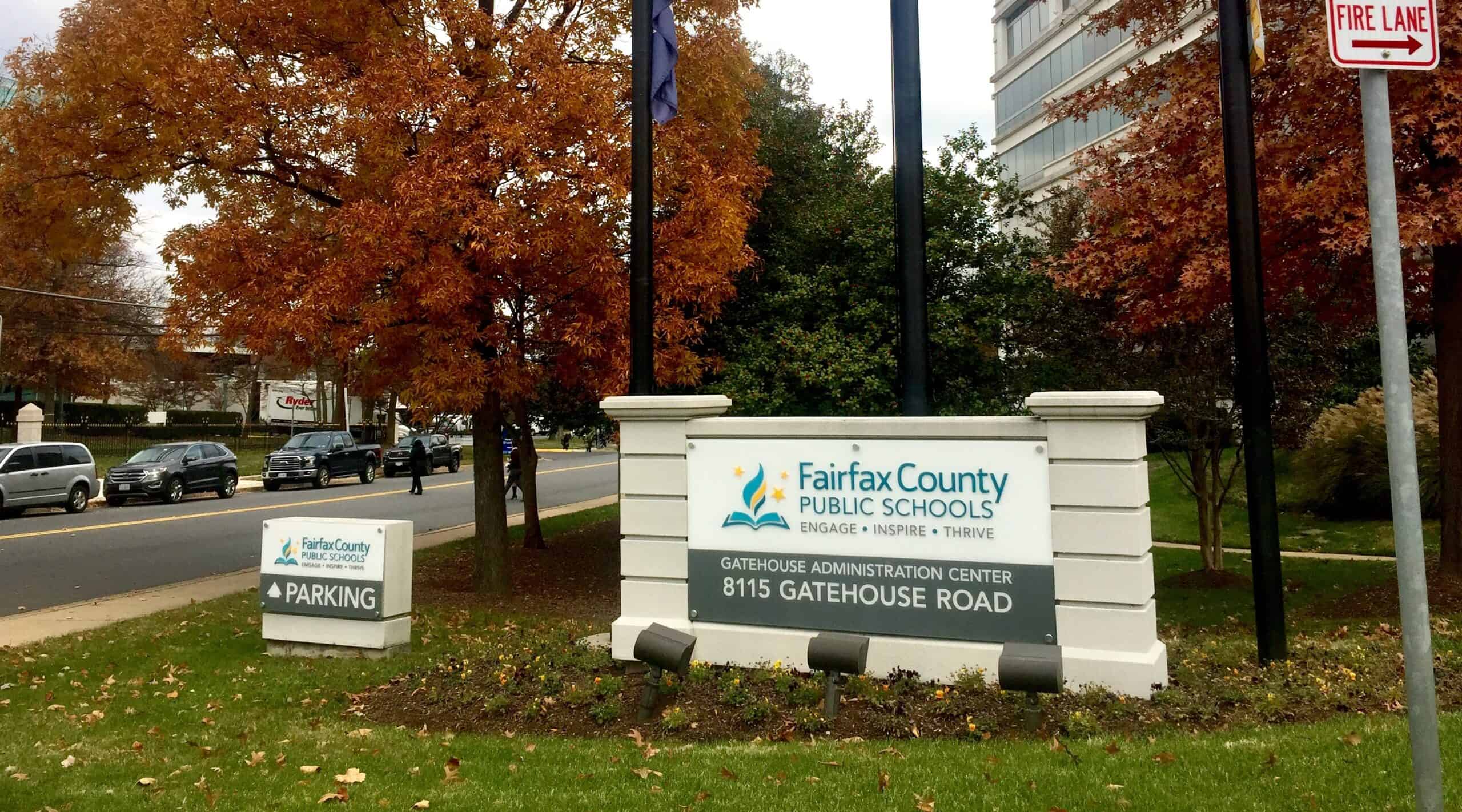
Fairfax County Public Schools in Virginia are considering scheduling school on Christmas.
In response to parent frustrations over fewer full weeks of classroom instruction, parents are being surveyed and asked what holidays they’d be willing to give up as they plan the academic year calendar – including the sacred celebration of Jesus’ birth.
This is one of the questions posed to parents in the affluent suburb of Washington, D.C.:
If the school calendar required modifying one of the following, which would be the most acceptable to you?
The options for responses are:
• Winter break shorter than a full two weeks
• Eliminating holidays recognizing religious and cultural observances (e.g., Christmas, Diwali, Eid al-Fitr, Rosh Hashanah, and other observed holidays)
• No day off before Thanksgiving (school in session Monday-Wednesday)
• Spring break shorter than a full week
• Fewer federal holidays observed as days off from school
• I find all of these equally unacceptable
Like most school districts in the United States, there are 180 instructional days on the calendar in Fairfax County. But with various holidays, teacher “in-service” days, early release days, and other anomalies throughout the school year, the five-day week is becoming increasingly rare. With most parents working outside the home, the uneven and fragmented schedule is causing frustrations and challenges for moms and dads hustling to find childcare when school is out of session.
However, the Editorial Board at the Washington Examiner notes that Fairfax County has the longest school year in the United States because of its embrace of diversity, equity and inclusion:
Those days include holidays you’re likely unfamiliar with, including: Bodhi Day, Dia de los Muertos, Diwali, Eid al Adha, Eid al Fitr and Theravada New Year.
Earlier this year, the Fairfax board voted to nix Veterans Day as a school holiday. The same board rejected a proposal to do the same for “Indigenous Peoples’ Day” – a.k.a. Columbus Day.
School board votes certainly offer taxpayers and the broader public a snapshot of what those serving our children prioritize.
Predictably, the proposition of eliminating Christmas and other religious holidays has sparked outrage with parents in Fairfax County. What is especially aggravating for moms and dads, though, is how school officials have lumped Christmas and Rosh Hashanah in with other days – a move no doubt calculated and motivated by a desire to be politically correct.
Public school hostility to Christians is not a new phenomenon, but officials in some districts seem committed to finding new and creative ways to offend faithful followers of Jesus.
C.S. Lewis may not have anticipated public schools considering the cancellation of Christmas on the academic calendar, but he did anticipate the possibility when he observed:
We can pray that parents in Fairfax County will push back against the foolishness of the current proposal – but also be forewarned that in an increasingly secularized America, any deference and respect to Christians and Christianity can no longer be taken as a given.


ABOUT THE AUTHOR