Welcome Family? Or Welcome, Government?
On the surface, Massachusetts’ Department of Public Health program, “Welcome Family,” sounds practical.
Here’s how the state pitches the program on its website:
Before you take your newborn home, be sure to talk with a nurse about making an appointment with Welcome Family, the free 90-minute visit with a nurse who’s experienced in supporting moms and newborns.
The nurse will check on your health, answer your questions, help address your most pressing needs, and connect you to other resources in your community.
There’s a lot to know about caring for yourself and your newborn.
You may feel overwhelmed by all of the instructions you’re getting.
And once you’re home, you may have new questions you never thought to ask, about your health or your baby’s health.
Most moms do.
That’s why Welcome Family is here so you can get the answers you need.
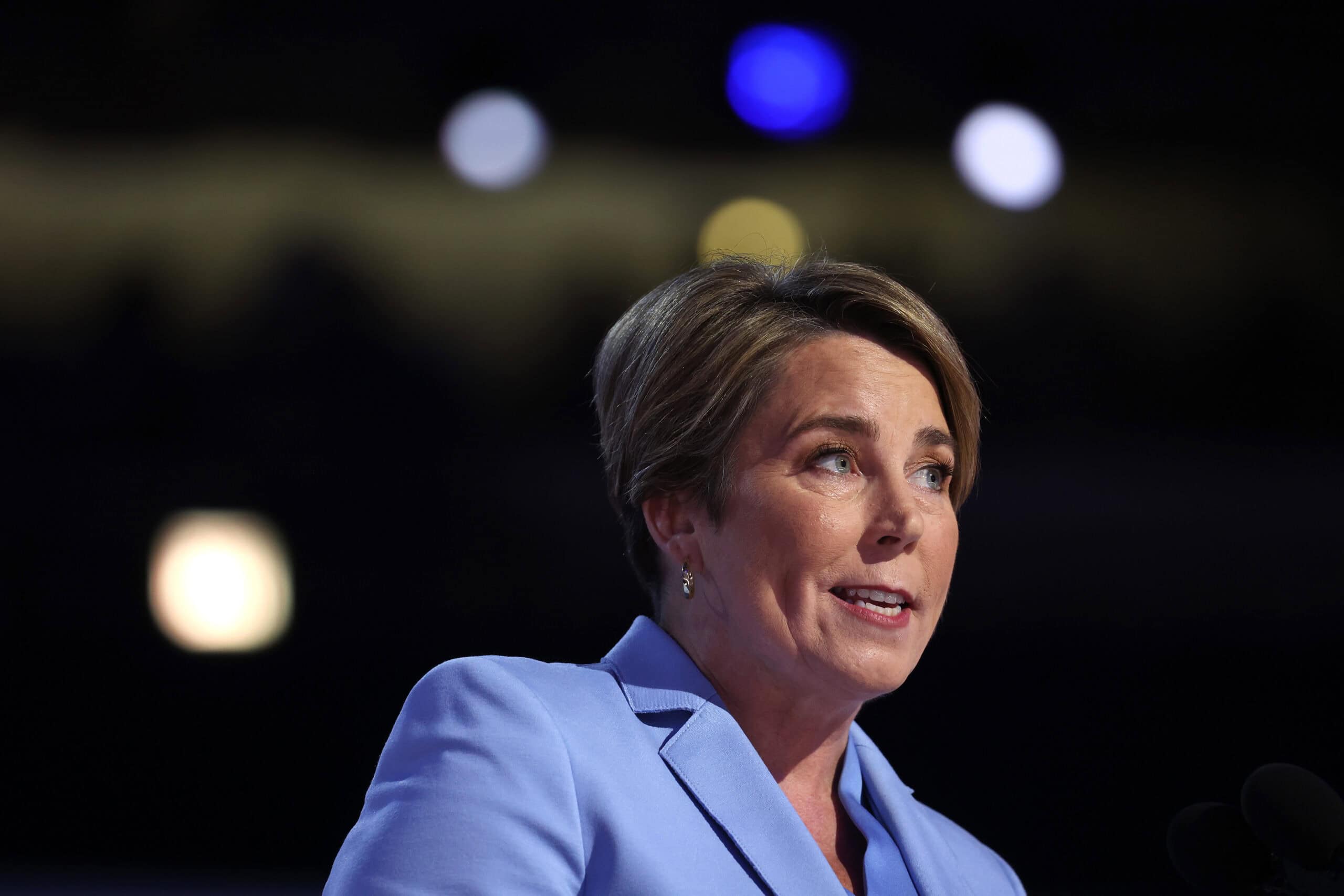
The core of the Bay State’s “Welcome Family” program has been on the books since 2013, but it’s making headlines this week, after Massachusetts Gov. Maura Healey announced plans to expand it.
“Everybody in the state, when you have a baby, you’re going to have a home visit within days, weeks and that will be an opportunity for a healthcare provider to make an assessment to see if you need some additional support and resources,” she said on Boston’s Public Radio.
Reports suggest the expansion of the program, which is voluntary, was motivated by the fallout of the Lindsay Clancy case, the 36-year-old Massachusetts woman who murdered her three young children. Individuals sympathetic to Clancy have suggested she was poorly served by the mental health care she was receiving – or not receiving.
To be sure, postpartum depression is a very real issue, and Clancy was receiving treatment for it.
Yet, the fundamental issue and concern about the program’s expansion centers on how much, if any, government involvement is appropriate when it comes to families bringing home a newborn.
While the program is technically “voluntary,” are families being pressured to go along – and if they don’t, are they vulnerable to investigation? Is it even appropriate for a government employee coming into someone’s private home absent any suspicion or complaints?
In the “Welcome Family” program, the state’s nurses aren’t just examining the baby but also screening for signs of substance abuse, domestic violence, nutritional deficiencies in the home, and broader access to healthcare and other services. While some of those assessments might be clear-cut, others are unquestionably subjective. Even some of the seemingly black-and-white issues may generate unfair and unsubstantiated accusations that take time, energy and emotion to resolve.
Do we really want to give the state more access to mothers and fathers and children? Keep in mind this is the same state that recently expanded its abortion laws to allow the killing of a child up to the moment of birth.
Interestingly and tellingly, Massachusetts officials say the program exists to determine whether the baby and family have the support they need from family and friends. Implied in that goal is a case against the expansion of the program itself.
Before the government assumes the role of becoming the default support network for a newborn, families, friends, neighbors and churches should be the ones encouraged to serve in that capacity. Rather than have Big Brother usurp the role, why not ask those surrounding the newborn to step up and help?
Newborns don’t need bureaucrats – they need family, friends, and loving and supporting church members willing to help in times of need.


ABOUT THE AUTHOR