Why AM Radio Still Matters
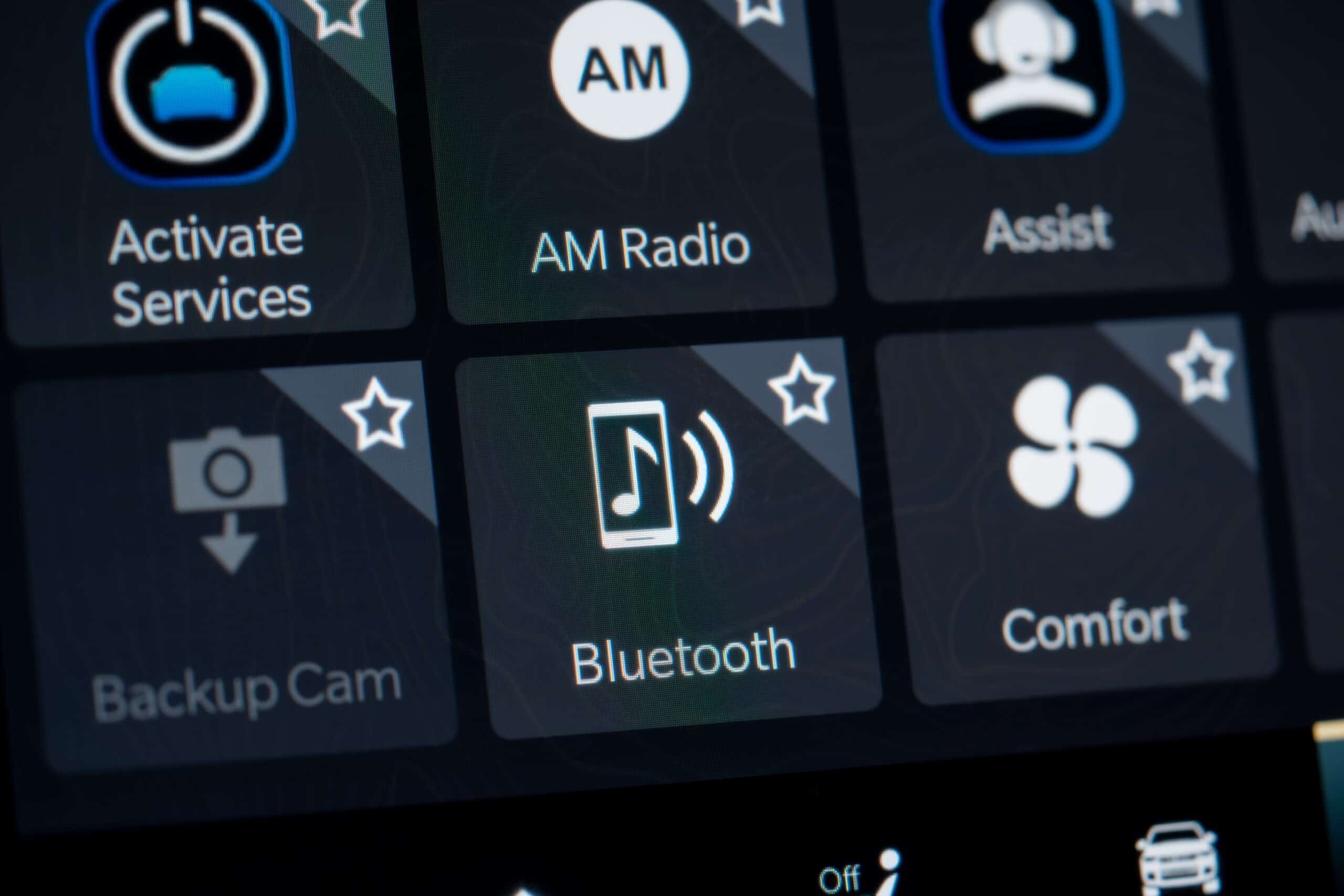
On Tuesday, the United States Congress took a major step to ensure that AM radios will remain in every new automobile sold in the United States for at least the next eight years.
H.R. 979, or the “AM Radio for Every Vehicle Act,” was passed by voice vote, an indication that the bill has broad bipartisan support.
The bill now goes to the Senate, where it is expected to be passed. If it’s approved as drafted by the House of Representatives, it will go to President Trump for his signature.
Some of a certain age might be wondering: do people even still listen to AM radio?
The short answer is “yes” – by some estimates, more than 80 million Americans tune into AM radio every month. That should be reason enough to keep them in new cars, but automobile manufacturers have been lobbying to exclude them due to electromagnetic interference from electric drivetrains. Basically, the propulsion system of electric vehicles interferes with the AM radio transmission.
Car manufacturers can engineer around the problem, but it adds weight and more importantly, cost to the price of the vehicle. In fact, by some estimates, it’s going to cost approximately $3.8 billion to make the EMI shielding/filtering – an expense that is eventually passed onto the person purchasing the car.
Radios have been in cars for more than one hundred years, though factory-installed models began appearing in the 1930s. With the advent of smartphones and satellite radio, Americans have far more options than ever before while driving.
Yet, the push to preserve AM radio in automobiles extends beyond tradition or even familiar habit. Bipartisan support for the current legislation stems from AM’s ability to reach people in the event of a disaster – when cellular networks, internet service or electrical infrastructure go down or are compromised. AM radio is the backbone of the Emergency Alert System.
Ed Atsinger, co-founder of Salem Media, has been lobbying tirelessly on behalf of the AM Radio bill for years.
“You have 77 stations around the country that FEMA (Federal Emergency Management Agency) has identified and invested between $1.5 million and $2 million per site to protect against electromagnetic attacks,” he told me. “They’re also hardened against natural disasters like hurricanes, tornadoes, floods and earthquakes.”
With no notes, Atsinger details the lengths to which these stations are prepared in the event of catastrophe.
“They have 90 days of fuel for an auxiliary power generator. They have 90 days of food. They have living quarters and a radio station capable of staying on the air continuously for 90 days, self-sustained. These 77 stations reach 93% of the country – and 68 are on the AM dial.”
But beyond raw numbers, what’s the significance of AM – or Amplitude Modulation transmissions?
“AM has a very big footprint and reaches parts of the country nothing else could,” Ed explains. “We’re talking South Dakota, North Dakota, Montana, Wyoming, Nebraska, Colorado, Kansas and parts of Texas. Most are 50,000 watts night and day.”
Of course, Christians have additional reasons to want to preserve AM radio in automobiles – its effectiveness in spreading the Gospel.
Nic Anderson, national Religious Broadcasters’ vice president of public policy, praised the House passage of the AM Radio bill:
Make no mistake: House passage of the AM Radio for Every Vehicle Act is a tremendous victory for Christian broadcasters and communicators across the country. AM radio remains a vital platform for sharing the Gospel, serving our communities, and delivering trusted, lifesaving information during emergencies.
Today’s vote affirms that free, local, over-the-air radio still matters and must remain available in every vehicle for the next generation of listeners. We are grateful to the bipartisan coalition in Congress that brought us to this moment, and we look forward to working with the Senate to get this important legislation across the finish line and onto President Trump’s desk for his signature.
Whether reaching people in the event of an emergency or reaching people with the Gospel, the Lord can use radio in remarkable ways.
Please join us in giving thanks for the legislative progress of the AM Radio bill, and for its swift passage in the Senate.