SCOTUS Indicates Support for Pregnancy Resource Centers and Donor Privacy
For many Americans, donating freely and privately to causes they align with is more than a legal right — it’s a matter of conscience.
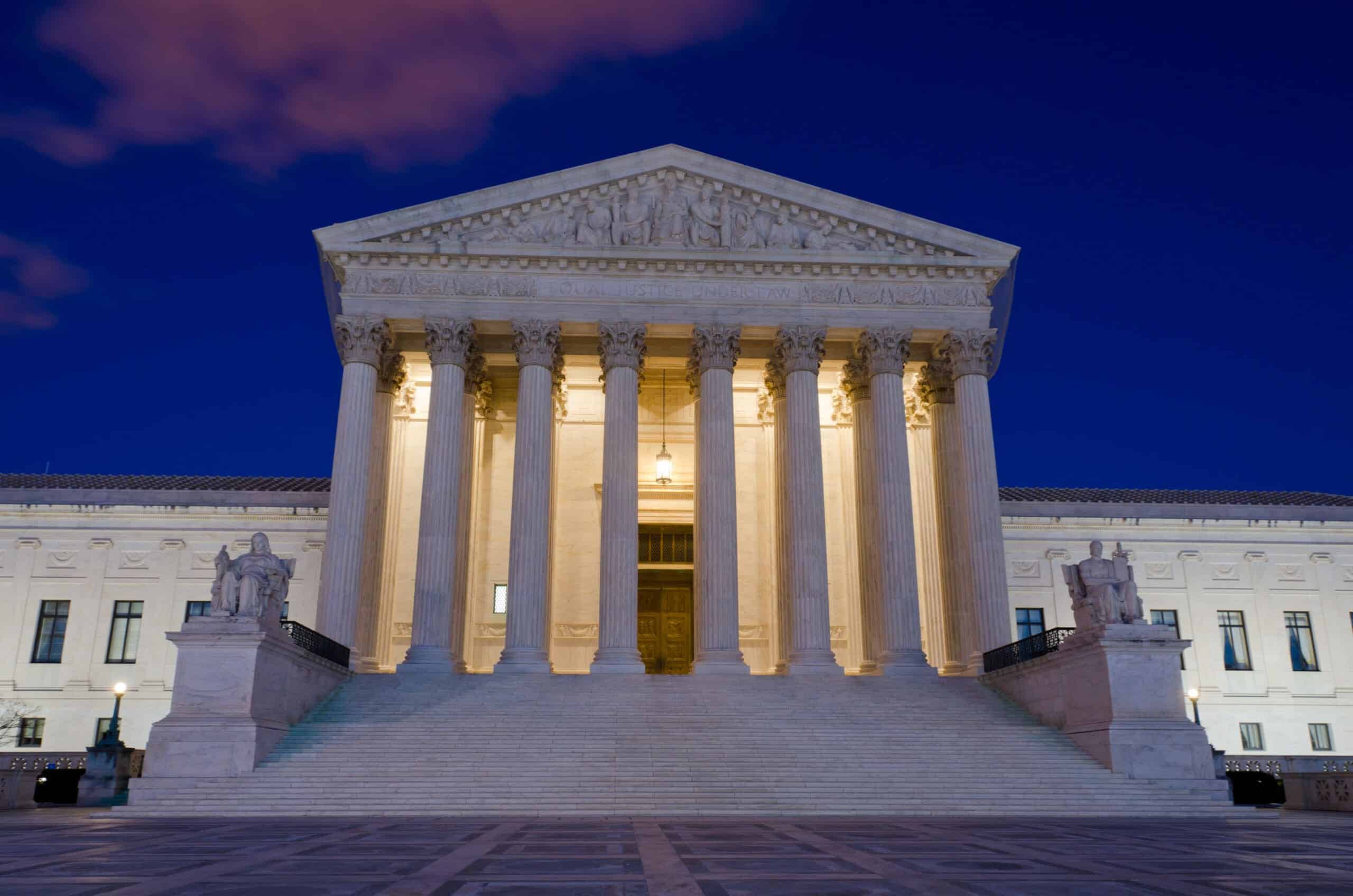
In December, the U.S. Supreme Court appeared to indicate support for protecting donor privacy and pregnancy resource centers during oral arguments in First Choice Women’s Resource Centers v. Platkin.
The state of New Jersey targeted First Choice, a faith-based pregnancy resource center, for purportedly “misleading” donors and clients about its services.
Procedurally, the pregnancy resource center is asking the Court whether it can challenge New Jersey’s subpoena for internal records, including donor lists, before the state seeks to enforce it in court. The technical question will affect a much more significant issue — whether nonprofits can protect their supporters from government exposure.
During oral arguments, the justices showed skepticism towards New Jersey’s position. Many of the Court’s questions pressed the state to explain why nonprofits would have to wait for a subpoena to bring legal action. They also raise constitutional concerns about the chilling effect a state subpoena of donor lists could have on free speech.
Even the Court’s more liberal justices voiced concerns that the threat of disclosure itself can intimidate donors, even if the subpoena isn’t immediately enforced.
Based on questions during oral argument, it seems the Court understands exactly what’s at stake — not just a procedural question, but the right to free association protected by the First Amendment.
The threat of government using its authority to target, harass, or silence support for ministries is a long-standing concern of the faith community.
A victory for First Choice would be a significant win for the pro-life community, religious freedom and the freedom of conscience. It would allow nonprofits across the nation to challenge subpoenas intrusively seeking donor information before donors’ privacy is compromised.
Politically motivated attorneys general would think twice before demanding donor lists.
Churches and faith-based ministries rely on the financial support of donors to function. A ruling in favor of First Choice would strengthen Americans’ long-standing constitutional right to associate privately without fear of government retaliation.
The Court’s final posture on this case remains uncertain, but the message from oral argument was clear — donor privacy matters, government pressure is limited and nonprofits, like pregnancy resource centers, deserve protection.
The Daily Citizen will keep you updated on this developing case.


ABOUT THE AUTHOR