Tragic Cornell Case Demonstrates Why Biblical Values Are Not Outdated
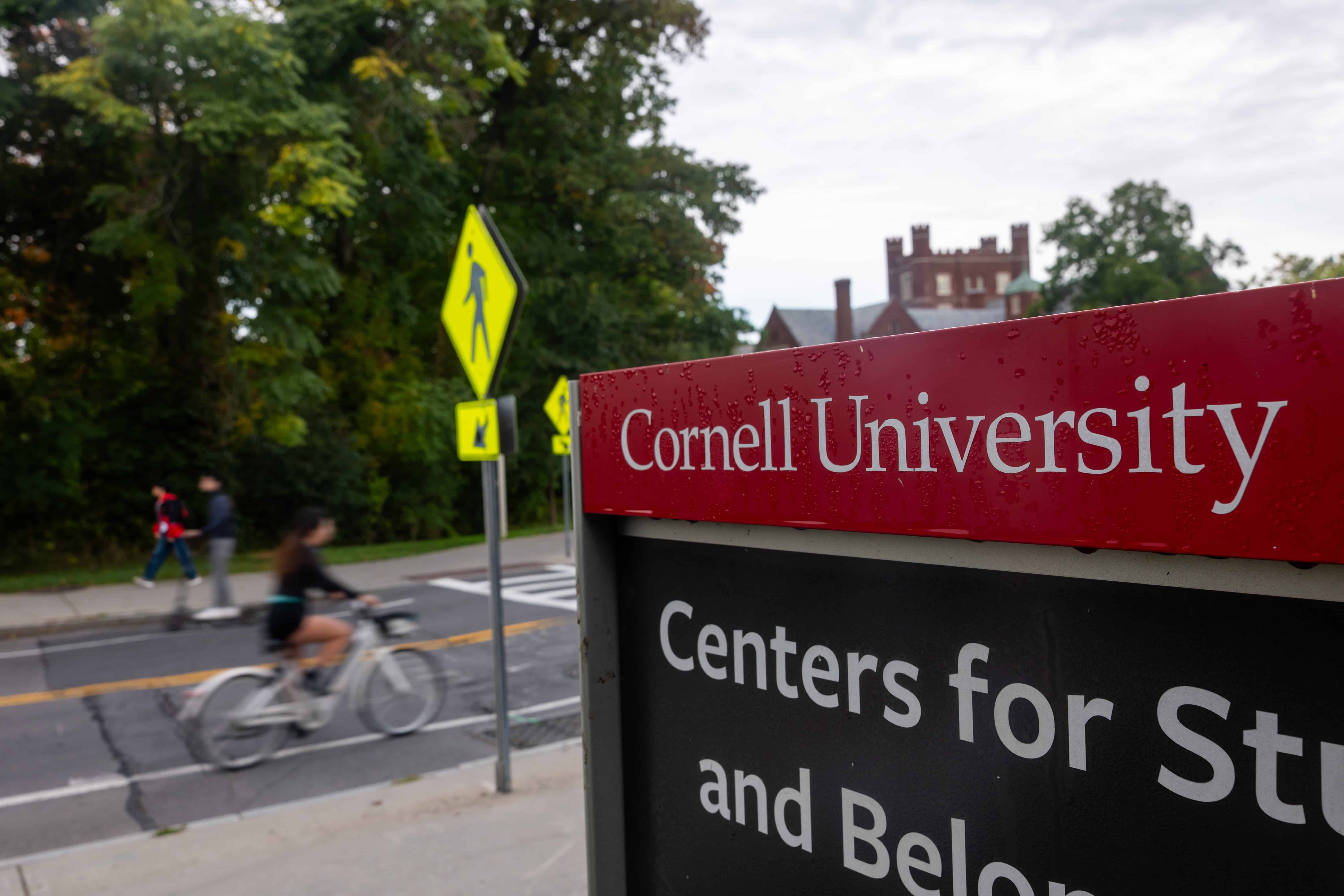
In the wake of the ongoing sexual assault case at Cornell University, school president Michael I. Kotlikoff has banned parties and social events at campus fraternity houses – the latest response to a gang-rape allegation dating to 2024.
“I have spent the past weeks listening to students, faculty, staff, parents, alumni, and trustees, who have shared their feelings of deep connection and sympathy with Jane Doe, anger and frustration that this could happen at Cornell, and outrage at the broader prevalence of sexual violence against women in our society,” wrote Kotlikoff.
The Ithaca-based school’s leader then dropped the hammer, declaring:
“Any fraternity holding an in-house party or social event will receive an immediate emergency suspension.”
It was back in September that “Jane Doe” filed a 101-page civil complaint alleging that she and her sorority sisters went out drinking one night back in October 2024. She reported that she was drugged and sexually assaulted by numerous men inside afraternity house on the Cornell campus.
The complaint acknowledges that the victim waited three weeks to report the incident to campus police, who then proceeded to investigate the alleged crime. “Jane Doe” explained that given the trauma and shock of the assault, it took some time for her to process what had happened.
Following the investigation, university officials identified and pursued the accusedattackers. Kyle Kimball, who serves as Cornell’s spokesperson, told the Washington Post, “Any suggestion that the university did not impose consequential punishments for those involved is false.”
He added:
“A continuation of the false narrative that there were minimal consequences in this case is irresponsible, will make survivors feel less safe and supported, and will perpetuate the underreporting of sexual assault.”
Those “consequences” included closing down one of the fraternities and suspending seven students from the school. At the time, university police also turned over the complaint to the Tompkins County District Attorney’s Office. The DA declined to prosecute citing, “insufficient evidence.”
Late last month, the district attorney’s office, under fire for not pursuing the case back in 2024, agreed to reopen the investigation given new evidence. In defending their initial decision, the DA wrote:
Jane Doe’s sworn statement in November of 2024 did not allege that she was drugged against her will or gang raped. On the contrary, Jane Doe’s statement described her participation in drug use and sexual conduct as voluntary, conscious, and consensual. My office obviously did not and could not have based our November 2024 decision on the allegations in a civil lawsuit that would not be filed until nearly two years later. Furthermore, I have never been contacted by Jane Doe’s attorneys. Not to inform me the original statement was inaccurate and not to ask me to reconsider our decision. Rather, I reached out to Jane Doe’s attorneys after the lawsuit was filed to understand the discrepancy between the original statement and the lawsuit’s allegations and the proper path forward in light of the lawsuit’s allegations.
Roughly one-third of Cornell’s 16,000 undergraduate students are part of a fraternity or sorority.
Fraternities in America date back to the Revolutionary War and, not surprisingly, looked nothing then like they do today. The College of William & Mary in Virginia holds the distinction of being the first school to host one on campus. Known as “Phi Beta Kappa” or “Philosophia Biou Kybernētēs,” which means “Love of wisdom is the guide of life,” it was considered a secret society.
The focus of the group wasn’t alcohol-laden parties but rather intellectual conversation and debate. There was a strong literary component and influence, too. Given the American colonist’s growing rebellion against Great Britain, students also discussed the unfolding war and the nation’s future as an independent country.
Popularity of these private college groups grew quickly over the years. By the 1800s, Greek letter societies became less secret and more social, best known as safe places to develop friendships and network with fellow students and alumni. Members dined together and may have socialized over drinks at times, but it wasn’t the main focal point or purpose of the group.
Studies suggest this began to change steadily and then significantly in the 20th century with official concerns related to excessive alcohol consumption emerging as early as the 1940s. In modern history, the fraternity-drinking scene became culturally entrenched beginning in 1978 with the release of the raucous and crass film “Animal House.”
Of course, while popular culture often associates fraternities and sororities with alcohol-infused parties, there are many college groups bucking that stereotype. For example, Union University in Jackson, Tenn, states their goal is “to produce Christian men and women who view life through the lens of Scripture and act accordingly to God-given wisdom and integrity.” They suggest, “Greek life at Union seeks to support the university in reaching this goal by developing men and women of integrity.”
Abilene Christian University notes that it “supports the efforts of Greek Life to stimulate a closer bond of friendship among students and enhance each student’s loyalty to ACU.”
We’ve recently noted the attention some universities and colleges receive for being a “party school” – a distinction that should stand as a warning to parents and students alike. Over the years, popular culture has often mocked the Christian virtues of abstinence and temperance. Whether in movies, television, or music, self-restraint is depicted as being prudish and somehow detached from reality.
In reality, the heartbreaking Cornell University sexual assault case tragedy demonstrates why biblical virtues are not outdated relics but essential guides for protecting the dignity and well-being of women and men in every season of life.