Why Adoption is Beautiful and Surrogacy Isn’t

The launch of the Greater Than campaign, “[a] coalition of parents, students, researchers, think tanks, influencers, and citizens aimed at ending same-sex marriage in America,” elicited a spectrum of reactions. A common response is to simply deny that children need, deserve, and have a right to their mother and father, or that same-sex “marriage” poses any risks to their health and well-being. Another response is to proclaim the issue “settled” because of the Obergefell Supreme Court decision (apparently by those unaware of the history of the Supreme Court and the story of Roe v. Wade).
Tennis great Martina Navratilova, an advocate of women’s rights and vocal opponent of transgender ideology, condemned the Greater Than coalition:
Speaking of evil. Or, at least vile. According to these people, our relationships, our families and most of all, our kids, DO NOT COUNT. What is it to them? How I, a woman, married to a woman, affect people I never met just because I don’t have a husband? MYOB!!!
However, her comments, posted on X, reinforce the basic argument the coalition is making: that same-sex “marriage” is about the desires of adults, not what’s best for children.
The claim that our social policies should align with what is true, that children deserve to be raised in a home with a married, biological, mom and dad, also brought questions from those who care deeply about children; so much so, in fact, that they are adoptive parents. What does the reasoning about God’s created intent for family structure mean for adoption?
It’s a good question; and like what follows when a similar critique is made of surrogacy. It is no accident that the legalization of same-sex “marriage” has increased demand for the legalization of surrogacy. Having chosen an inherently sterile union, many same-sex couples demand children. Acquiring children requires a technological workaround like IVF and surrogacy. In the process, a child is created and immediately robbed of either its mother or father or both.
So, if children have a right to their married, biological mom and dad, are the implications for adoption the same as for surrogacy, sperm donors, or redefining marriage? Not at all.
God’s design for the family is that a man and wife become one flesh and raise children together. The Fall frustrates this design in different ways. Families break. Couples find that their sexual union is infertile. Biological parents find themselves unable to care for their children for various reasons. A sexual act, disordered toward illegitimate pleasure or even selfish violence, produces a life unintended and unexpected.
Whatever the brokenness, adoption offers a means of restoration. Implicitly, the act of adoption recognizes that something is not as it should be, whether or not someone is morally culpable. Through adoption, the brokenness is addressed and restored by a new family.
In these ways, adoption portrays God’s relationship with us. Adoption is among the many marriage-and-family metaphors used in Scripture to describe how God relates to His people. Paul, in Ephesians, calls Christians “adopted” sons and daughters of God through Jesus Christ. The fracture created in the Garden and extended by our own brokenness is repaired by Jesus. As a result, we are adopted children of God, with all the rights and benefits and status involved.
Some question whether a woman’s relationship to a child that she bears in pregnancy is important. Are not adoptive moms just as emotionally and spiritually connected to their children as a biological mother could be? Yes, but it is also true that there is an inherent connection for the child to the woman who bears him or her. This is true whether she is a surrogate or enters an adoption contract. A mom that relinquishes her right to raise a child is still a mom. Adoption recognizes the reality that she has done what is best for her child and, at some level, brings redemption to the brokenness. Surrogacy intentionally creates the brokenness. In the case of surrogacy, the mother-child relationship is created only to be knowingly and intentionally severed.
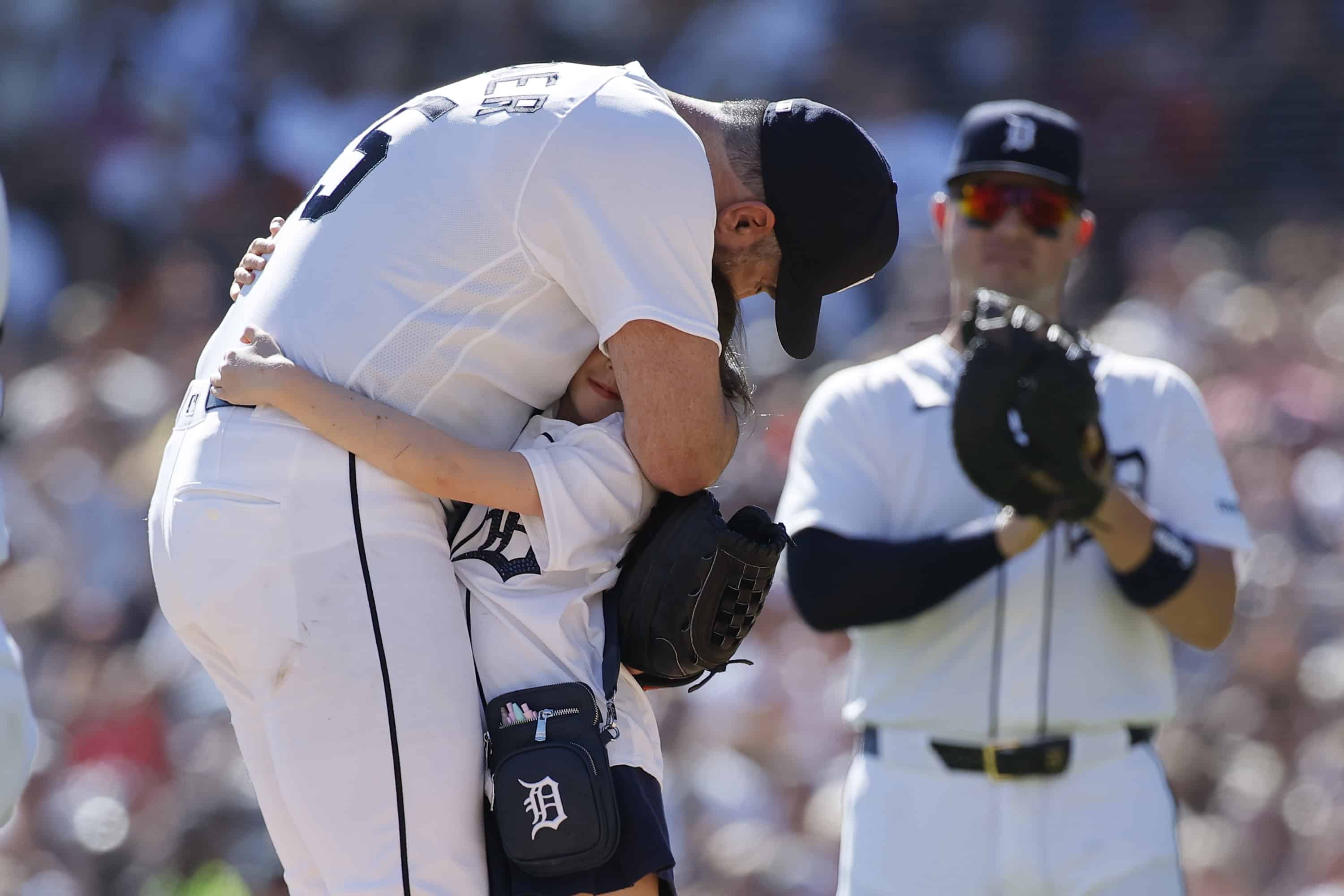
In adoption, a woman who did not bear the child becomes a mother. In surrogacy, a mother is treated as less than a whole person, wanted for her procreational parts that are treated as consumer products, especially as commercial surrogacy becomes more common. Surrogacy also treats the child as a consumer product, instead of as a gift.
According to a Williams Institute study, the majority of same-sex couples prefer technologies such as insemination, surrogacy, and IVF, to adoption as a means to acquire children. Studies indicate that up to 40% of all surrogate pregnancies are commissioned by gay couples. Of course, even in adoption a same sex couple further deprives a child of either a mother or father.
Unfortunately, same sex “marriage” and surrogacy have become so normalized that, even in the Christian world, speaking against either is considered controversial. It should not be. In our fallen world, families break, but we should never break them on purpose.