‘Toy Story 5’ Trailer Tackles Treacherous Tech
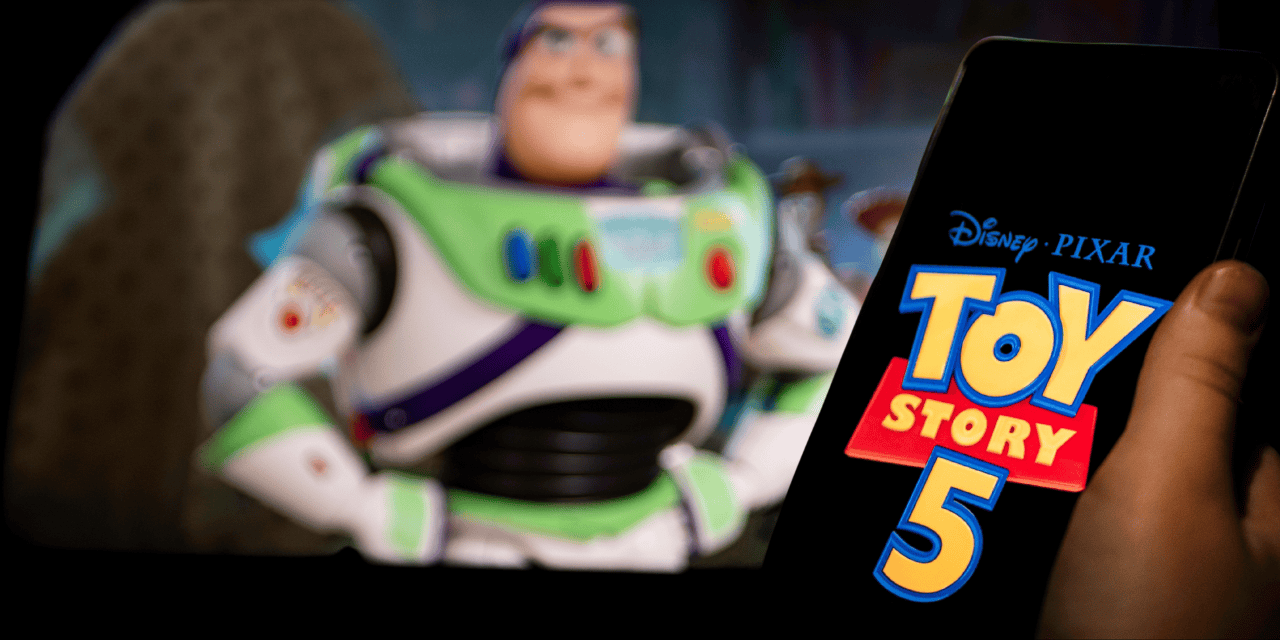
Sheriff Woody, Buzz Lightyear and the rest of the Toy Story cast will return to movie theaters this summer to confront their most powerful antagonist yet — “tech.”
The trailer for Toy Story 5, which premiered last week, finds our favorite toys sidelined by Lily Pad, a tablet which captures their young owner, Bonnie’s, attention in a vice grip.
The clip, though short, illustrates technology’s effects on children with uncomfortable accuracy.
Before Lily Pad’s arrival, Bonnie uses her toys to act out a dramatic whodunnit.
Bonnie’s wild tale ends when she receives Lily Pad. The endlessly entertaining device monopolizes the young girl’s play time, prompting Rex, a franchise-favorite, to exclaim, “Extinction! Not again!”
Lily Pad’s disruption of Bonnie’s play reflects real concerns about personal technology’s effect on child development. Imaginative play is crucial to children’s early brain development. When tablets and smartphones eradicate boredom from kids’ lives, they lose essential opportunities to create, reflect and make sense of the world around them.
In the trailer, the toys confront Lily Pad for ruining their efforts to help Bonnie make friends.
Technology’s effect on friendship is a real concern, too. Many early friendships form around playing pretend, where children learn to communicate, work together and consider one another’s preferences — the building blocks of empathy, connection and social awareness.
Importantly, studies show children do not learn the same skills from observing people on a screen.
Technology also changes the way children communicate. Toy Story 5’s trailer features a short scene showing a group of kids sitting on a stoop, all focused on their own Lily Pads.
Personal technology infiltrates real world friendships in the same way. Though children may be physically present with one another, their communication often occurs online.
In his book, The Anxious Generation, social psychologist Jonathan Haidt cites data from the American Time Use Study showing people ages 15 to 24 hung out with friends more than an hour and 20 minutes less in 2020 than they did in 2013, when smartphones went mainstream.
Haidt warns virtual relationships and communication are not adequate replacements for good, old-fashioned face time. Virtual relationships deprive kids of opportunities to develop critical life skills like making eye contact, resolving conflict, setting boundaries and absorbing exclusion and rejection.
One of the most interesting parts of the Toy Story 5 trailer is that Bonnie’s parents do not allow her unlimited access to Lily Pad. In one scene, Bonnie’s dad tells her “screen time” is over.
But their efforts to use Lily Pad in moderation don’t limit the device’s hold on Bonnie. Her mind remains fixed on the boredom-defying device.
Many parents work hard to ensure screens don’t take over their kids’ lives. In her book, The Tech Exit, however, the Ethics and Public Policy Center’s Clare Morell argues any time spent on screens damages children’s brains.
While the tech industry often compares tech to sugar, an addictive chemical that can nevertheless be consumed in small doses, Morell says tech is more like fentanyl for impressionable kids. Smartphones and tablets begin changing kids’ brains immediately, giving them intense dopamine highs which make everyday pleasures seem boring in comparison.
Toy Story 5 sets up an epic battle between two versions of childhood — one in which, we hope, the toys will win. But it’s unclear how the movie will resolve a problem so many parents struggle to tackle themselves.
Will the toys eradicate technology all together?
Will they learn to peacefully coexist with Lily Pad?
As relevant as the movie’s trailer may be, the story’s resolution will determine its lasting impact.
In today’s culture, all parents must consider how best to protect their children from technology’s negative effects. Check out the free articles and resources linked below for essential advice on raising kids in a technological age.
Additional Articles and Resources
Counseling Consultation & Referrals
Introducing Our Parents’ Guide to Technology 2026
Parenting Tips for Guiding Your Kids in the Digital Age
‘The Tech Exit’ Helps Families Ditch Addictive Tech — For Good.
Parent-Run Groups Help Stop Childhood Smartphone Use
The Harmful Effects of Screen-Filled Culture on Kids
Social Psychologist Finds Smartphones and Social Media Harm Kids in These Four Ways
Four Ways to Protect Your Kids from Bad Tech, From Social Psychologist Jonathan Haidt
Australia Bans Kids Under 16 Years Old From Social Media