Are Corporations Finally Conceding the SPLC Pushes Bias?
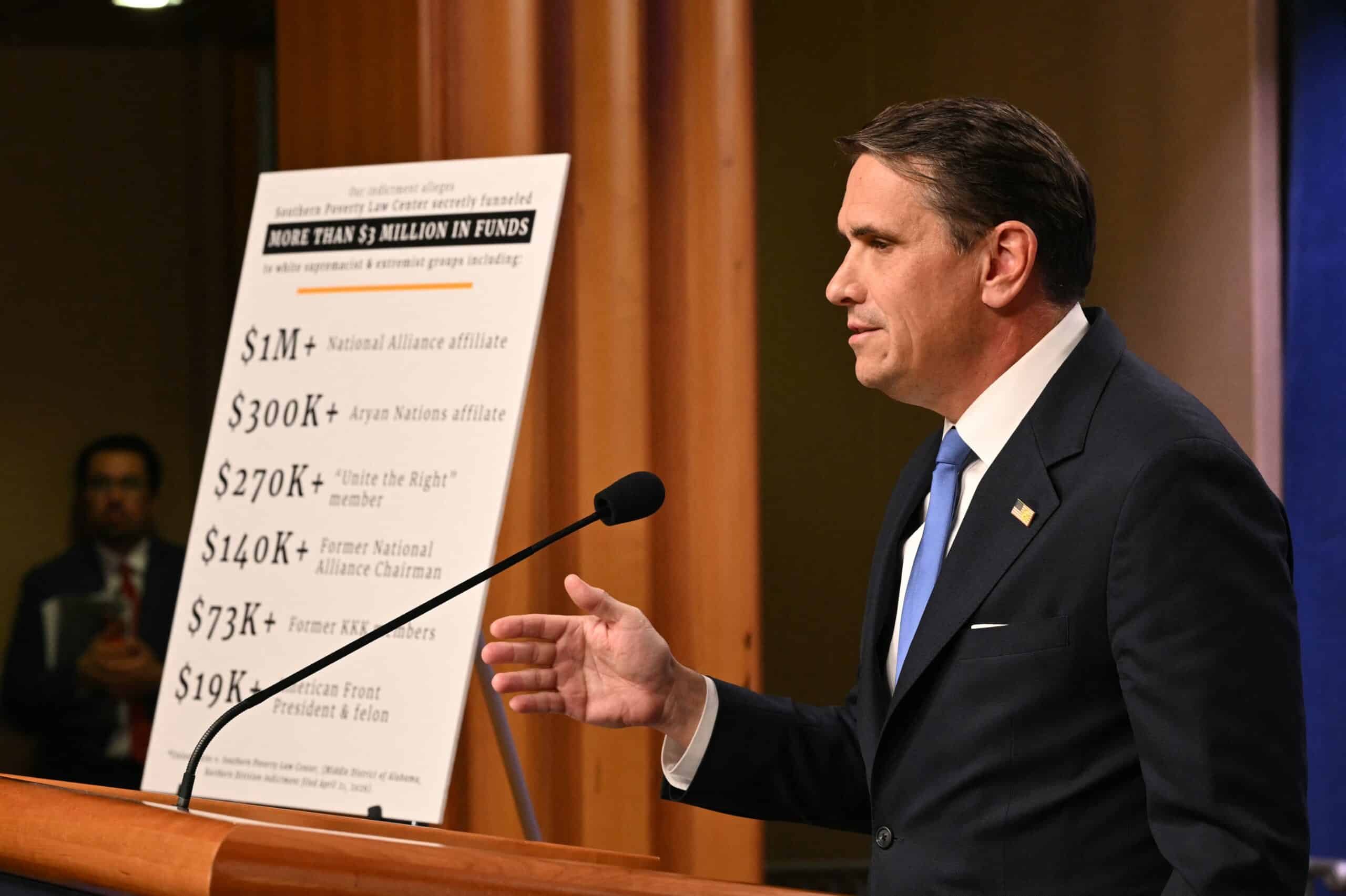
It’s been just over a month since a federal grand jury in Alabama returned an 11-count indictment against the Southern Poverty Law Center (SPLC) charging the organization with wire fraud, making false statements and money laundering.
“The SPLC allegedly engaged in a massive fraud operation to deceive their donors, enrich themselves, and hide their deceptive operations from the public,” stated FBI Director Kash Patel. “They lied to their donors, vowing to dismantle violent extremist groups, and actually turned around and paid the leaders of these very extremist groups – even utilizing the funds to have these groups facilitate the commission of state and federal crimes. That is illegal – and this is an ongoing investigation against all individuals involved.”
In the days since the indictment, the lawyers for the SPLC have pleaded not guilty on all counts and filed a motion to the Department of Justice (DOJ) requesting the case be dismissed. The DOJ quickly denied the motion, and the case is now in what’s called an early discovery and procedural litigation phase.
In shirt-sleeve English, that means there’s a lot of paperwork and filings to come, including the government making formal requests to review internal SPLC records. Preliminary evidentiary hearings will be scheduled, and a trial date will be set.
In the meantime, though, the wake of the SPLC damaging “Hate List” campaign continues to ripple up on the metaphorical shore.
It’s likely you’re aware of the organization’s reckless long-running campaign that identified and publicly listed companies, ministries, and even churches that met their broad, misleading, and downright false criteria of “hate.”
But what many people may be unaware of is just how many companies have relied on that nefarious designation to decide what organizations and charities their employees may give to as part of their corporate giving programs. For example, because Focus on the Family was listed as a hate-group by the SPLC, many corporations would then declare the ministry ineligible from receiving any dollars from both the employee or the company themselves if they had a matching program.
Focus on the Family and many other worthwhile organizations have been blacklisted simply because of their biblical convictions.
A software company called “Benevity” is a tool that many of these corporations have used to filter the so-called good from the bad. In fact, more than 1,000 companies use the software. If you visit their site, you’ll see their stated purpose: “Infusing a culture of goodness into the world.” They claim, “When we make it easy for more companies and people to do good every day, we get closer to creating change on a cultural level.”
But what if they are relying on a distorted definition of “goodness”? It’s the equivalent of a company promising clean water drawing their water from a polluted or toxic aquifer.
The good news is that several major corporations have stopped relying on the corrupted filter, including Salesforce, the world’s leading cloud-based Customer Relationship Management (CRM) platform and Mastercard.
But hundreds continue to use the filter, which is why Focus on the Family has joined other like-minded organizations in calling on Benevity to stop utilizing the SPLC list.
Here’s an excerpt from the letter:
As organizations that have been unjustly placed on the SPLC’s “Hate List,” we call on Benevity to immediately, publicly end its use of the SPLC’s Hate List and Hate Map, adopt a viewpoint-neutral process for nonprofit eligibility, and restore access to organizations unfairly excluded.
This moment also presents a valuable opportunity for Benevity’s new CEO to start off on the right foot by demonstrating a commitment to fairness, transparency, and genuine diversity of thought. Taking this step would signal to millions of donors and thousands of companies that Benevity values open participation and rejects political discrimination in philanthropy.
We also call on corporations using Benevity’s platform to demand that Benevity reform its criteria and exclude SPLC’s Hate List or discontinue their partnership with Benevity until these changes are made.
Charitable giving should empower generosity, not enforce ideology.
Please join us in praying that truth and justice will prevail in the court of law and that Benevity will concede and stop relying on the SPLC’s reckless propaganda.


ABOUT THE AUTHOR