Banned Books Week – The Sham Continues
(Caution: This article discusses books and includes links to book reviews with graphic and disturbing content.)
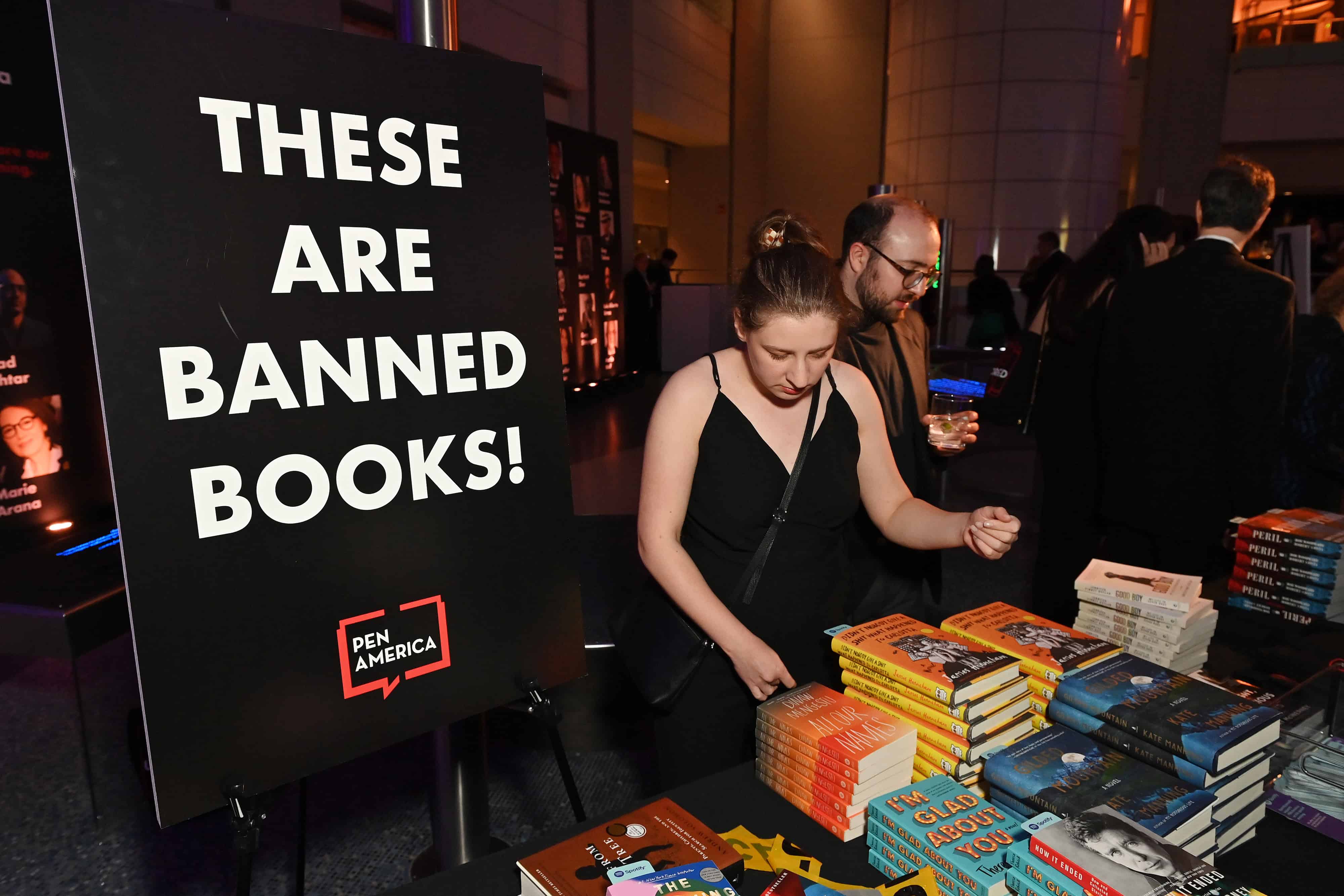
This is Banned Books Week, October 4-10, a yearly event where courageous booksellers and librarians fight the scourge of censorship, boldly displaying stacks and shelves of “Banned Books” – eager for you to buy or check out and read, legally.
The irony is laughable.
Bookstores hang signs saying “Banned Books” – right next to tables filled with the same books, all for sale. Librarians encourage patrons to check out and read these “Banned Books.”
So if they’re “Banned,” why are they available all over the country?
Truly, the whole event is silly.
Banned Books Week was founded by the American Library Association (ALA) and the American Booksellers Association in 1982, after librarians saw an uptick in responsible parents questioning the suitability of books made available to children in school and public libraries.
The parents simply challenged the idea that these books were appropriate for children.
The false label was there from the start. No books were banned. It is not “book banning” to keep sexually graphic, obscene, extremely violent, profane and vulgar material out of schools and children’s sections of libraries.
Instead of having a knee jerk reaction against any book challenge, these organizations might have asked if parents’ concerns were justified.
Parents almost always challenge books for legitimate reasons, as school and public libraries – either deliberately or inadvertently – promote books to children that contain sexually explicit content, extreme violence, rape and sexual abuse, casual drug and alcohol use, offensive language and adult themes.
But the ALA, along with allies like the LGBT activist group PFLAG and the left leaning Pen America, have never seen a radical book they wouldn’t want your children to read.
This is made explicit in the ALA’s “Library Bill of Rights,” as well as in the books they, as trained library “experts,” believe should be available to children.
The “Library Bill of Rights” includes the following declarations, demonstrating what the group believes about parental involvement in children’s book choices:
• A person’s right to use a library should not be denied or abridged because of origin, age, background, or views.
• All people, regardless of origin, age, background, or views, possess a right to privacy and confidentiality in their library use. Libraries should advocate for, educate about, and protect people’s privacy, safeguarding all library use data, including personally identifiable information.
The ALA believes patrons of any age should have access to any book. Its Office for Intellectual Freedom makes this clear in “Interpretations of the Library Bill of Rights”:
Library policies and procedures that effectively deny minors equal and equitable access to all library resources available to other users violate the Library Bill of Rights. The American Library Association opposes all attempts to restrict access to library services, materials, and facilities based on the age of library users.
The “Interpretations” explain that the ALA does not approve any labeling or rating systems that might warn parents about a book’s contents:
Prejudicial labeling systems assume that the libraries have the institutional wisdom to determine what is appropriate or inappropriate for its users to access. … The American Library Association opposes the use of prejudicial labeling systems and affirms the rights of individuals to form their own opinions about resources they choose to read, view, listen to, or otherwise access.
Ah yes. Libraries do not have the “institutional wisdom” to suggest a book containing explicit sex, graphic violence, profanity and substance abuse might not be appropriate for a 12-year-old child.
The ALA also promotes “library access and representations for all sexes, gender identities and expressions, and sexual orientations.” Children of all ages should be exposed to adult sexualities and false ideologies:
The American Library Association stringently and unequivocally maintains that libraries and librarians have an obligation to resist efforts that systematically exclude materials dealing with any subject matter, including sex, gender identity, or sexual orientation.
For “Banned Books Week,” the ALA lists the “Top 11 Most Challenged Books of 2025.” Heading the list is Patricia McCormick’s Sold, about a 13-year-old Nepalese girl sexually trafficked in India. It has won numerous awards, and the ALA chose this as one of 2007’s “Best Books for Young Adults,” children and teens ages 12-18.
But a book review from Rated Books explains why parents would challenge this book’s appropriateness for children and teens:
The descriptions of the ongoing rape/violation and physical abuse suffered by the girls is emotionally disturbing and traumatic for many younger teens.
A “summary of concerns” explains Sold “contains explicit aberrant sexual activities including rape of a minor; prostitution; and explicit violence.” But the ALA wants us all to ignore this.
The second-most challenged book is The Perks of Being a Wallflower by Stephen Chbosky. It’s been listed on the ALA Top Ten List in 10 different years since it was published in 1999.
A review at Rated Books gives excerpts of vulgar content and says the book is not for minors:
This book contains animal cruelty, sexual activities including assault and battery, sexual nudity, profanity, violence, alcohol and drug use.
The third-most challenged book is Gender Queer, by Maia Kobabe, which gained notoriety when parents discovered the book in school libraries and classrooms. They began reading excerpts and showing illustrations from the graphic novel at school board meetings across the country, only to infamously be sternly told by school board officials the content was not appropriate for their meetings.
As previously reported by the Daily Citizen, the book shows images of masturbation and oral sex, describes fantasies about gay sex, and depicts a young girl who hates her body and wants to poison herself with testosterone.
These are just some examples of books the ALA and its allies want in the hands of children.
Parents should stay informed and act to protect their children.
Related articles and resources:
Concerned parents will want to check out Chapter 4 of Equipping Parents For Back-To-School, “What’s Happening in School Libraries, and on Databases, Internet, Wi-Fi, and Electronic Devices.” The section educates and empowers parents to protect their children from inappropriate materials in school libraries.
These groups publish reviews of objectionable books often found in school libraries. They often have guidance for challenging books:
American Library Association Chooses Marxist Lesbian as President-Elect
‘Banned Books Week’ – What a Fraud
Is it ‘Book Banning’ to Keep Sexually Explicit Books out of Schools?
Senators Introduce ‘Stop the Sexualization of Children Act’
Why the “Book-Ban” Meltdown in Florida Is a Political Farce