COVID-19 Baby Bust Lower Than Projected
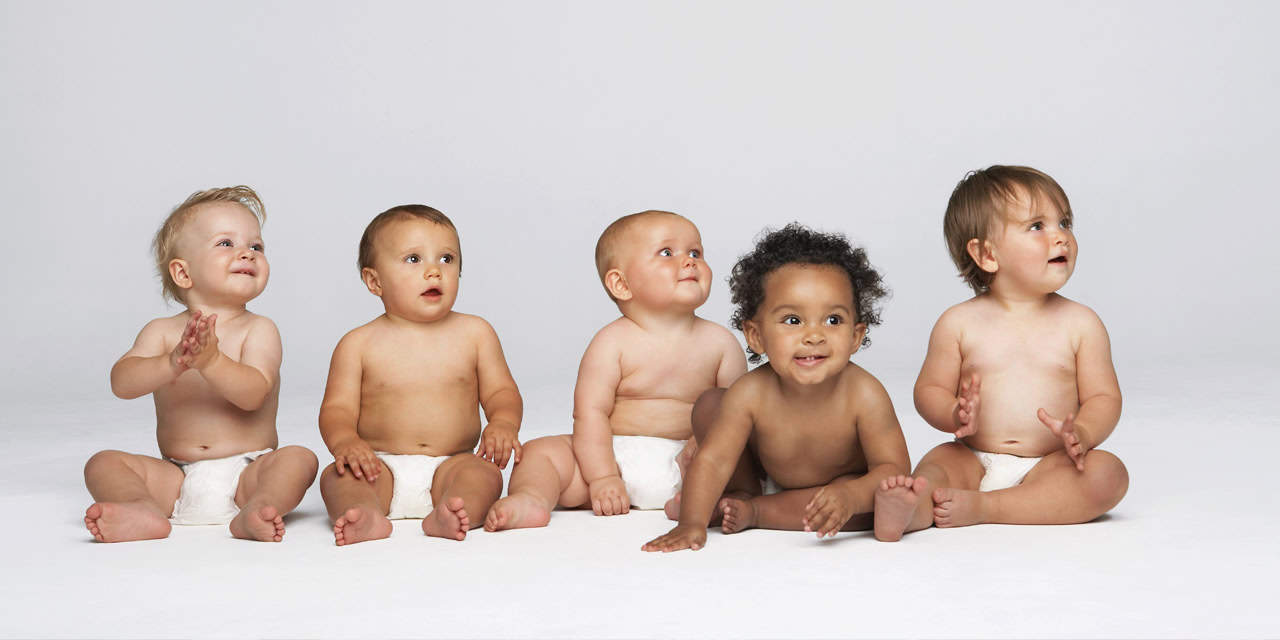
What effect is the global COVID-19 pandemic having on the making of babies? Are prospective mothers and fathers enjoying the lock-down hours with greater intimacy or being more fearful about expanding the size of their family? It is an interesting question for both demographers and pro-family advocates. The Daily Citizen raised this question earlier this year, but new data provides opportunity to take a more educated look.
Scholars from the Brookings Institute, a center-left think tank in Washington D.C. calculated in June that the pandemic could result in 300,000 to 500,000 fewer U.S. births in 2021 than average. These two economists from the University of Maryland and Wellesley College who conducted that original analysis have just published an update to their projection and they conclude the COVID birth dearth will more likely be on the lower end of their scale. That means more babies, which are very much needed. “Based on our previous methodology and a labor market that improved somewhat more quickly than we anticipated,” they believe the decline will be “on the lower range of our original estimate, likely closer to 300,000 fewer births” in 2021.
These scholars explain we must all wait a few more months before actual birth data starts to trickle in, rather than relying on mere estimates based on surveys. But drawing on additional data related to that which makes new babies, this measure of the decline of births this coming year looks reasonable. Research indicates that sexual activity between would-be mothers and fathers has declined significantly this past year for various reasons, with almost one-half of all adults reporting a reduction in that part of their intimate, private lives. Not surprisingly, other research indicates couples with school-age children in the home in 2020 reduced much of their physical intimacy even further, including even just hugging, kissing, hand-holding, and cuddling.
Short of actual birth statistics, these scholars also paid attention to fertility-related Google searches over the last year. Looking merely at increases in pregnancy-related search terms such as “pregnancy test,” “ultrasound,” “morning sickness,” and others, they indicate the U.S. birth rate will have dropped by 15% specifically over its average between November 1, 2020 and February 28, 2021.
The Brookings scholars explain that a more robust economy translates into babies as a one percent increase in the unemployment rates translates into a 1% drop in the national birth rate. Of course, unemployment was less dramatic and the economy better on the whole in the U.S. than most anticipated.
These economists do believe that other, unlikely social factors have played a negative role on overall fertility. One is elongated school closures that have left parents more exhausted at the end of the day with little energy left for other pleasures. Second, social distancing has resulted in substantial declines in dating and the opportunity to meet your prospective new child’s mother or father. These researchers conclude, “It will still be several months before data will be available on the number of post-pandemic births that we can use to begin to assess our forecast.” They also warn,
…the longer the pandemic lasts, and the deeper the economic and social anxiety runs, it is feasible that we will see an even larger reduction in births with an increasing share of them averted permanently.
Photo from Shutterstock