Supreme Court to Hear Title IX Girls Sports Cases
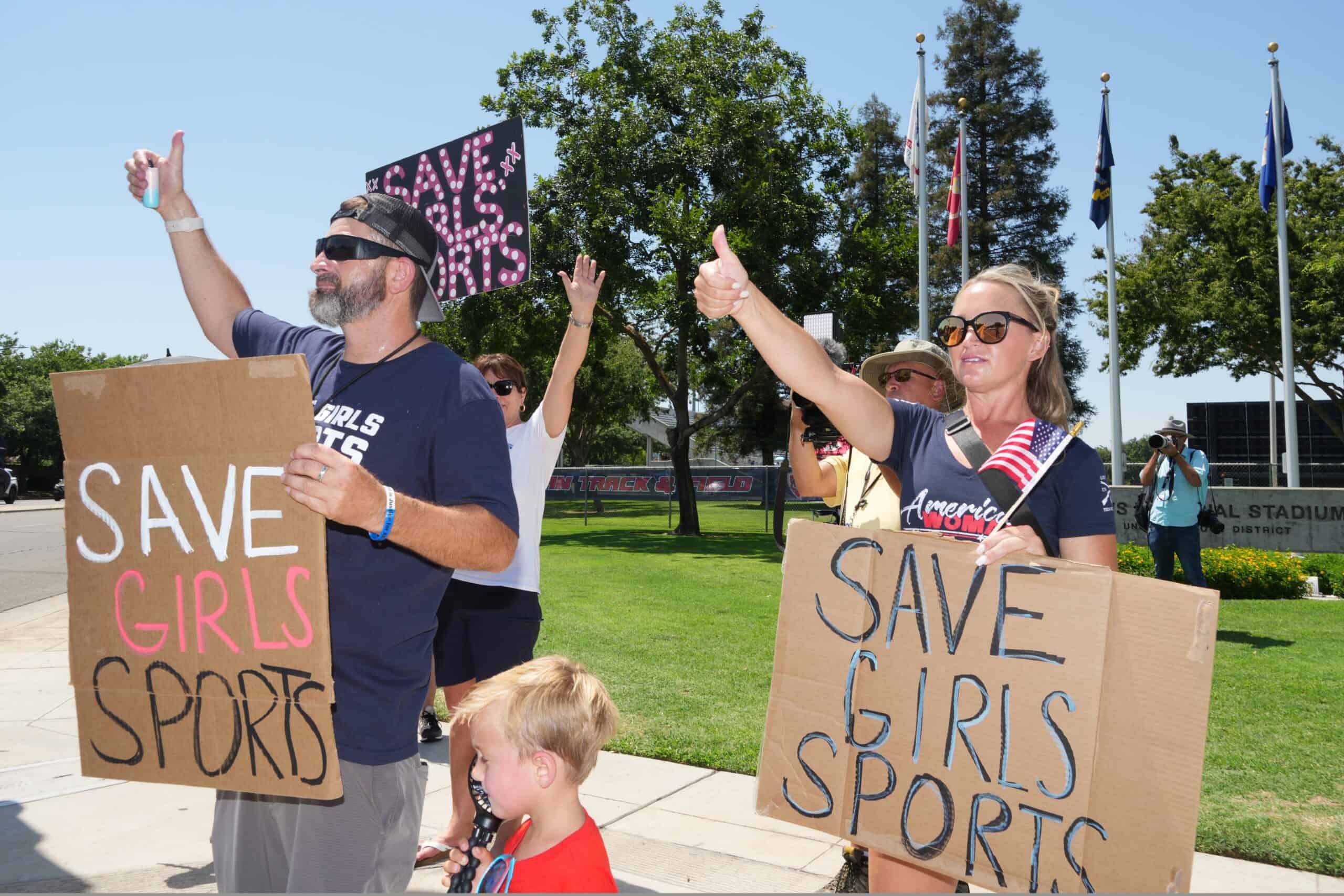
The U.S. Supreme Court is set to hear arguments in two cases about Idaho and West Virginia laws protecting girls sports from male athletes claiming to be female.
The landmark cases will be heard Tuesday, January 13, with the outcome determining if states can uphold biological reality and limit girls and women’s sports to those who are female.
Twenty-six states have similar laws safeguarding girls and women’s sports, all of which could be affected by the Court’s ruling.
In addition, a favorable verdict — protecting girls and women’s sports — could support lawsuits against states and sports organizations that have capitulated to “transgender” ideology and allowed males to compete as females.
The first case, Little v. Hecox, deals with Idaho’s Fairness in Women’s Sports Act. The state was the first in the nation to pass such legislation, signed into law March 30, 2020.
Just two weeks later, the American Civil Liberties Union, which used to support women’s rights in education, filed a lawsuit challenging the Fairness Act on behalf of Lindsay Hecox, who was born male but lives as if he were a woman.
Hecox wanted to run with the ladies on Boise State University’s cross country team. The ACLU argued that Idaho’s Fairness Act violated Title IX, which prohibits sex discrimination in education, along with the 14th Amendment’s equal protection clause.
The complaint stated:
Basically, the suit is saying that “transgender girls” (who are male) are girls and that they should not be excluded on the basis of “stereotypes associated with sex.” According to the ACLU’s logic, these “girls” can have “stereotypical” male features such as male genes, reproductive organs, bone structure and musculature.
Idaho’s attorney general defended the measure, with attorneys for Alliance Defending Freedom (ADF) filing a motion on behalf of two female collegiate athletes, Madison Keyon and Mary Kate Marshall, to intervene in the lawsuit.
Although a federal district court allowed the women to intervene, it halted enforcement of the Fairness Act. The U.S. Court of Appeals for the 9th Circuit upheld that ruling.
Idaho Attorney General Raúl Labrador, along with ADF attorneys, appealed the case to the Supreme Court, which agreed to hear the Idaho and West Virginia cases in July 2025.
The second case is State of West Virginia v. BPJ.
In 2021, West Virginia was the fifth state to pass a law protecting female athletics. The Sports Act, HB 3293, clarified that male and female sports teams in public secondary schools and colleges must be based on biological sex.
Again, the law was challenged in court by the ACLU along with Lambda Legal, another radical LGBT activist group.
The complaint was filed on behalf of Becky Pepper-Jackson (B.P.J.) and his mother, Heather Jackson, who is raising the boy as if he were a girl.
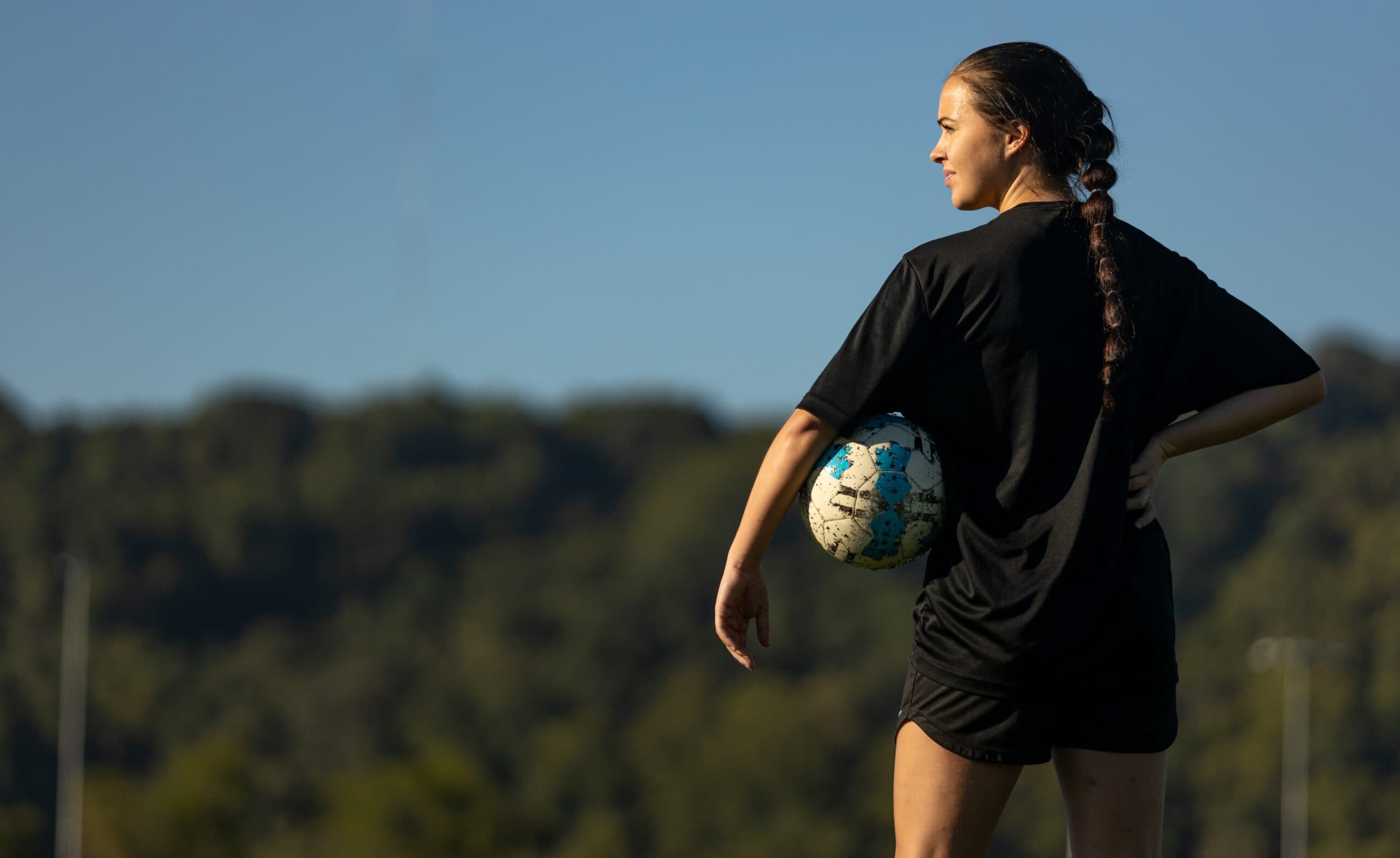
ADF intervened “in the lawsuit on behalf of Lainey Armistead, a former collegiate athlete who played soccer at West Virginia State University.”
ADF is co-counsel with West Virginia Attorney General Patrick Morrisey. A federal district judge ruled in favor of the state law, but that sensible ruling was overturned by the U.S Court of Appeals for the 4th Circuit.
So West Virgina appealed to the Supreme Court, which consolidated the case with Idaho’s.
Pepper-Jackson was 11 years old when the suit was filed; now he is 15. His and his mother’s complaint reads:
West Virgina responded to the lawsuit:
Every time a male-bodied athlete competes in a female sport, girls lose out. Thousands of female athletes have been bumped off winner’s podiums by males masquerading as women. The website shewon.org lists 3,257 female athletes around the world who have lost 4,627 medals, sports records, scholarships or other opportunities to male-bodied athletes.
In addition, girls and women are unwillingly exposed to male bodies in locker rooms and showers; are forced to change in front of male athletes; lose the opportunity for female-only camaraderie; and have their safety threatened.
Please pray for the justices as they consider these cases.
The Daily Citizen will keep you updated about Little v. Hecox and State of West Virginia v. BPJ.
Related articles and resources:
ACLU Lawsuit Challenges Idaho Law Protecting Girl’s and Women’s Sports
Biologically Male Collegiate Athlete Wins Female Runner of the Week Award
Biologically Male Runner Decides to Compete as a Woman in College Cross Country
Collegiate Women Athletes File Motion to Keep Biological Males Out of Women’s Sports in Idaho
Meet Three Heroes Working to Protect Colorado Children
Middle School Girls Who Protested ‘Trans’ Athlete Are Banned From Future Competition
U.S. Supreme Court Takes Up Cases on Boys in Girls Sports
West Virginia Passes ‘Save Girls Sports’ Act
Yes, Girls Care When Boys Take Their Trophies
Photo: West Virginia State University soccer player Lainey Armistead, courtesy of Alliance Defending Freedom.


ABOUT THE AUTHOR