Four Observations Since ‘Roe’ was Overturned Four Years Ago
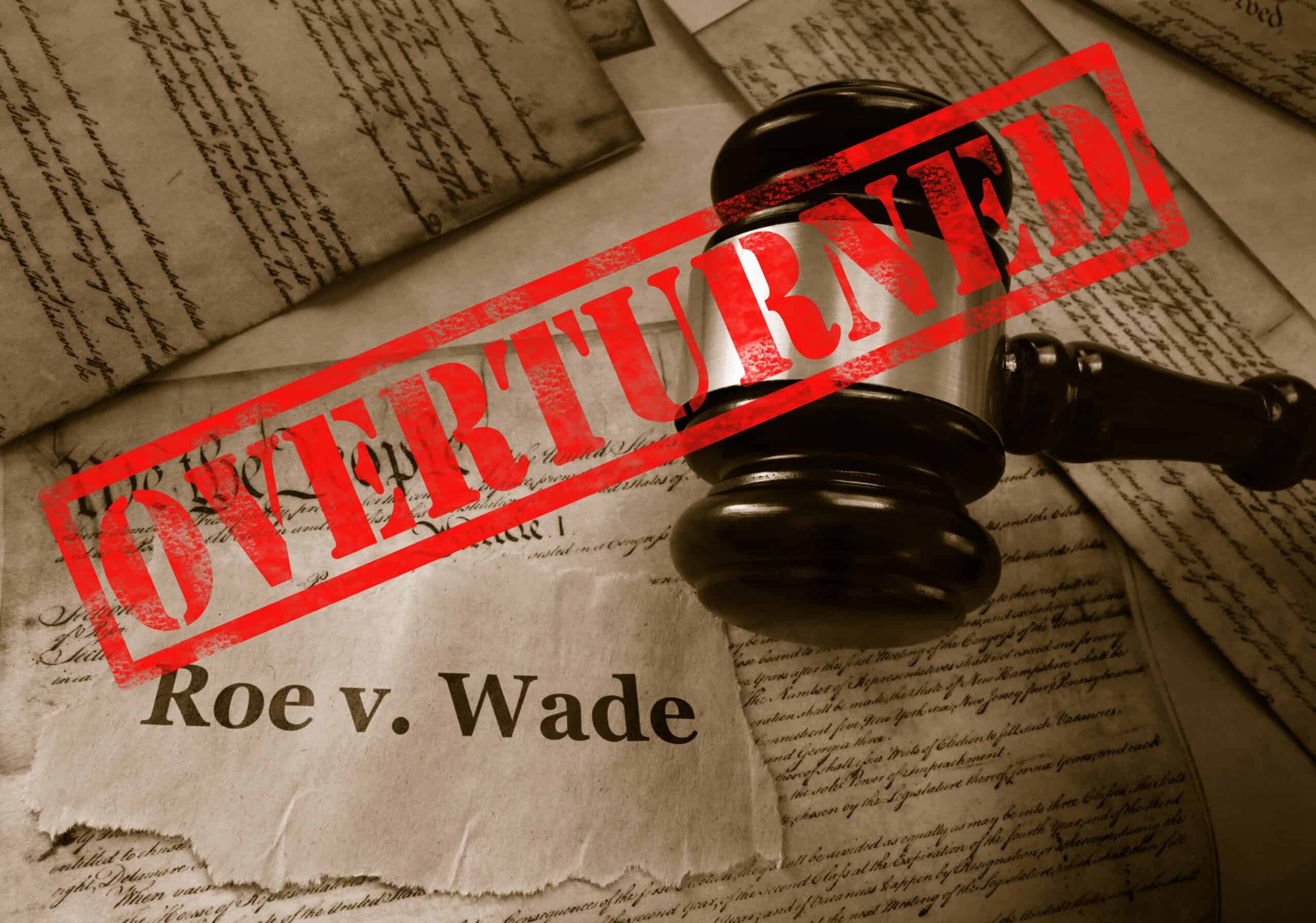
When the U.S. Supreme Court overturned Roe v. Wade on June 24, 2022, many Americans wondered if it signaled the beginning of the end for abortion or a push for a nationwide ban.
Instead, the country has grown even more culturally and legally divided than ever before.
As we mark the fourth anniversary of the Dobbs decision that overturned Roe, four important observations stand out.
1. Twenty States Have Acted to Protect Preborn Human Life
Dobbs empowered people and their elected representatives to determine abortion policy in their respective jurisdictions.
In the last four years, 20 states used that power to enact laws protecting preborn children from abortion.
Millions of Americans now live in states that provide legal protections for preborn babies which would have been impossible under Roe. Thousands of children are alive today because these laws are in place.
2. The Abortion Industry Adapted Very Quickly
The last four years revealed just how dramatically the abortion industry is willing to shapeshift to remain profitable.
Abortion pills now account for approximately 63% of all abortions in the United States. Telehealth visits and mail-order abortion drugs have completely transformed how people gain access to abortions.
Before Dobbs, most of the abortion debate centered on clinics and surgical procedures.
Today, abortion policy largely revolves around chemical abortion, telemedicine, interstate mailing of abortion pills and federal regulatory authority.
As a result, the next chapter in the pro-life movement will likely focus on the growing use of chemical abortion pills and the legal and ethical questions regarding their distribution.
3. The Battle for Life is Now at the Ballot Box
The last four years have shown that abortion remains one of the most contested issues in American politics.
Ten states have approved constitutional amendments enshrining abortion in their state constitutions: California, Michigan, Vermont, Ohio, Arizona, Colorado, Maryland, Missouri, Montana and New York.
At the same time, pro-life advocates have secured important ballot victories in Florida, Nebraska and South Carolina, where voters rejected or defeated efforts to add abortion “rights” to their state constitutions.
The pro-life community has experienced victories and setbacks in the post-Roe era, the pro-life community has experienced victories and setbacks, but so have abortion activists.
Public opinion remains far from settled on this topic — and wins and losses are recorded at the ballot box.
4. A Majority of Americans Continue to Support Limits on Abortion
Though America remains deeply divided on abortion policy, Gallup’s May 2026 survey found that nearly two-thirds of Americans support some kind of legal limit on abortion. Only 33% believe abortion should be legal in all circumstances.
The data also suggests that the initial bump for pro-abortion policy is waning. In 2022, 52% of Americans considered abortion morally acceptable. The number rose to 54% in 2024 but has fallen to 49% in the 2026 data.
At the same time, the percentage of Americans who consider abortion to be morally wrong increased from 38% in 2022 to 41% today.
It’s clear that Americans continue to wrestle with questions of morality when considering abortion and that they remain open to legal protections for preborn babies.
The Work Continues
Four years after Dobbs, one lesson is clear: overturning Roe did not end the pro-life movement’s work — it began a new chapter.
The future of the pro-life movement will be shaped in courtrooms, legislative chambers, town halls and ballot boxes. It will also be shaped by pregnancy resource centers, churches, families, and communities committed to building a culture of life one heart and one mind at a time.


ABOUT THE AUTHOR