Religious Freedom is Not a Problem to Be Managed
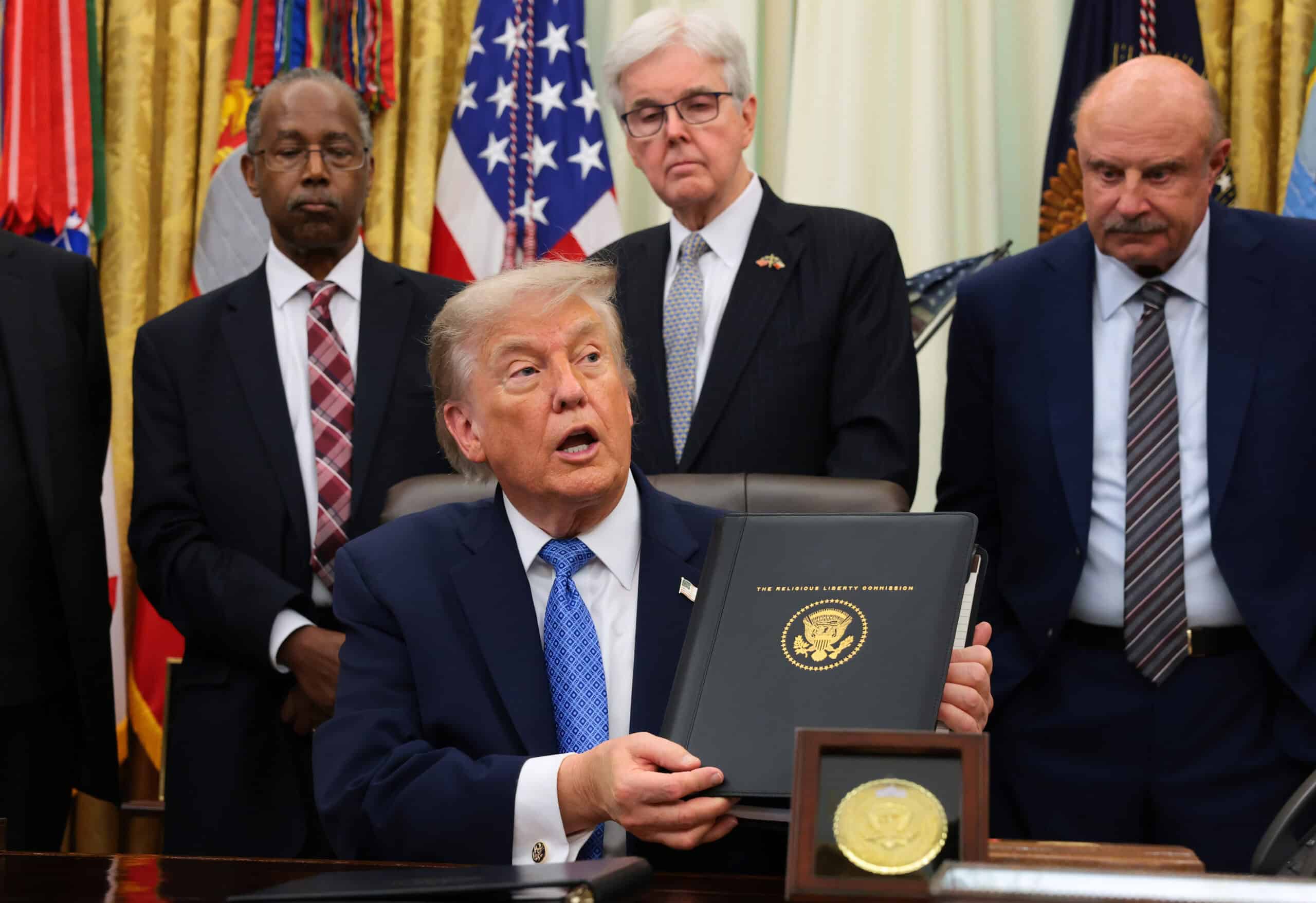
In the ramp up to the 250th anniversary of America’s independence, you might have missed the recent release of the Religious Liberty Commission’s final 224-page report.
Established back on May 1, 2025, via executive order by President Donald Trump, the group began its work with a simple but foundationally sound premise:
“Religious liberty is essential because religion itself is indispensable to a flourishing society.”
The commission was chaired by Dan Patrick, the Lieutenant Governor of Texas, and he was joined by individuals representing a broad and diverse spectrum of faith: Dr. Ben Carson, Reverend Franklin Graham, Dr. Ryan Anderson, Bishop Robert Barron, Cardinal Timothy Dolan, Eric Metaxas, Mrs. Allyson Ho, Dr. Phil McGraw, Kelly Shackelford, Rabbi Meir Soloveichik and Pastor Paula White-Cain.
Dozens of other individuals served as advisory board members and legal experts.
Throughout the past 14 months, the commission met in-person seven times and worked tirelessly throughout the process to review, examine, identify and make practical and actionable recommendations to the President regarding the overall health of America’s first principles.
In the final report, the group shared they had identified a common and disturbing theme that those of us within the social conservative and faith-based space have long warned about.
The commission concluded:
Far too often in our national life, religion is treated not as a protected and valued contribution to public life, but as a problem or annoyance to be managed, restricted, or sidelined.
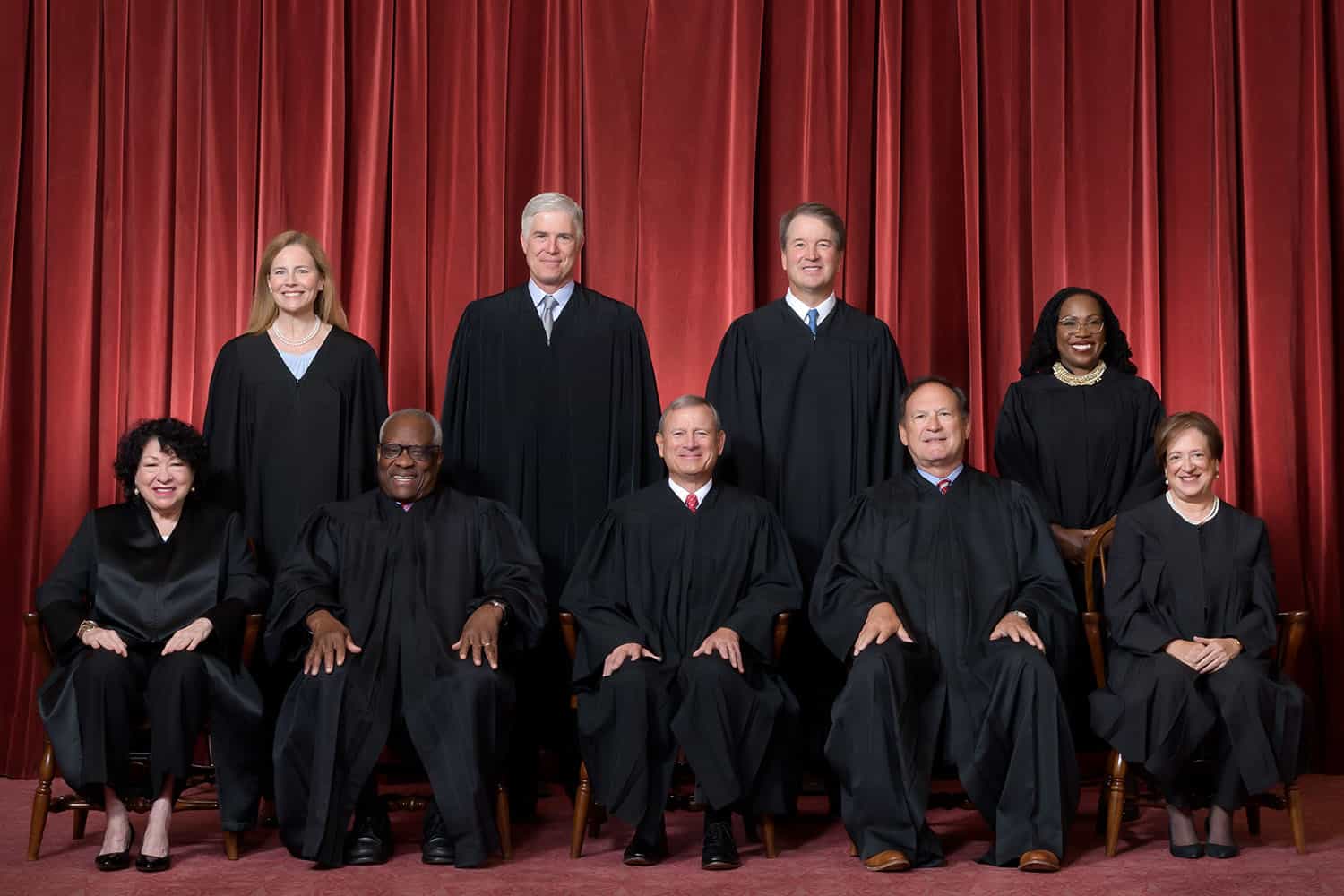
Those who either scoff at or dismiss this succinct warning may suffer from either a bad or selective memory, or may simply choose to ignore scores of related court battles and victories right up to the United States Supreme Court.
Since 2018 alone, you’ve had to keep a scorecard to keep up with the many legal battles. Nearly all of them have stemmed from aggressive secular progressives attempting to roll back First Amendment rights.
From Jack Phillips and the Masterpiece Cakeshop here in Colorado, to the Little Sisters of the Poor, Coach Kennedy, battles over the rights of faith-based foster agencies, and Christian schools getting squeezed out from participating in state-supported tuition reimbursement programs, the High Court has consistently reaffirmed the constitutionality of America’s religious freedoms.
“We believe that safeguarding religious liberty requires more than defending legal rights after they have been violated,” stated members of the commission. “It requires cultivating a culture that understands why those rights exist in the first place.”
Focus on the Family’s Daily Citizen exists to provide that very service to readers and friends of the ministry.
Included in the fulsome report are dozens of practical recommendations, organized under various categories. You can read the full slate of them, but here are some highlights:
For Religious Leaders, Institutions, and Houses of Worship:
• Issue guidance to ensure the Johnson Amendment is not applied to chill religious leaders’ First Amendment right to provide religious guidance to their communities.
For Education:
• Ensure the constitutional guarantees of religious liberty and parental rights are enjoyed by families of all socioeconomic means by promoting a robust and universal system of school choice where funding follows the child.
• Encourage agencies to take proactive measures to defend public school students’ rights to exercise their faith, such as creating hotlines or portals through which students can report violations and increasing public awareness of existing reporting channels.
• Defend teachers’ and faculty’s rights in public-run schools by creating a hotline/portal to report violations.
For Parents:
• Ensure the constitutional guarantees of religious liberty and parental rights are enjoyed by families of all socio-economic means by promoting a robust and universal system of school choice where funding follows the child.
• Defend parental rights in government-run schools by issuing Department of Justice guidance on parental rights.
For Religious Healthcare Workers and Institutions:
• Protect religious healthcare workers from being coerced to participate in procedures that violate their religious beliefs by expanding the coverage of the Church Amendments and providing a private right of action for violations.
For Business:
• Support legislation to codify protections for religious organizations against debanking.
• Order the Equal Employment Opportunity Commission to create “Know Your Rights” resources to protect private sector employees from religious discrimination.
The commission also rightly addressed the so-called “wall of separation between Church and State” that has been so badly misinterpreted for decades, particularly by progressives and those eager to excise all public expressions of faith. The report notes the concept of the mythical barrier originated from a letter that Thomas Jefferson wrote and it can be found nowhere in the First Amendment.
“[The] belabored metaphor—often used out of context—cannot support the view that the aim of the First Amendment was to exile the practice of religion from public life. And no Founding document supports that conclusion either.”
In addition to specific recommendations designed to protect specific areas and industries, the Commission’s report also provided a dozen more for every American:
1. Instruct the Department of Justice to issue guidance clarifying the proper understanding of the Establishment Clause and separation of church and state.
2. The Department of Justice, Department of Health and Human Services, and Equal Employment Opportunity Commission shall issue “Know Your Rights” Posters and FAQ’s for students, parents, public school teachers and administrators, religious leaders, religious institutions, healthcare workers, and military service members.
3. Any public official who alleges a person under their supervision has improperly engaged in religious expression must provide a written explanation of the alleged violation to the person accused within 30 days of any action and explain that charge based upon a specific constitutional provision or provision of law.
4. Instruct the Department of Justice, Department of Health and Human Services, and Equal Employment Opportunity Commission, to explore opportunities to create religious liberty violation reporting hotlines/online portals for students, parents, teachers, healthcare workers, and others to obtain support in the face of religious liberty violations and increase public awareness of existing reporting channels.
5. Nominate and confirm federal judges with the courage to decide religious liberty cases on the merits where warranted, rather than engage in improper judicial avoidance.
6. Ask the Department of Justice to create a religious liberty task force to track and prioritize litigation protecting religious liberty.
7. Combat anti-Semitism through enforcement of civil rights laws, litigation of credible allegations of anti-Semitic discrimination and violence, and civic education.
8. Protect religious Americans from government-led litigation targeting their free exercise.
9. Repeal the Johnson Amendment which purports to give the government authority to regulate religious leaders’ sermons and spiritual guidance to their communities.
10. Order the Department of War to streamline and improve the religious accommodation process.
11. Continue efforts to restore the retirement or re-enlistment eligibility of service members who lost employment, health insurance, pensions, and other benefits because of their religious beliefs about the COVID-19 vaccine.
12. Honor the courage of religious liberty heroes through creating a Presidential Medal of Religious Liberty and First Freedom Hero Awards to recognize Americans who stand up for religious freedom and play an indispensable role in protecting citizens’ Constitutional rights.
We’re grateful for the seriousness and earnestness with which President Trump and the members of the commission have approached this critical work designed to preserve and protect America’s religious freedoms. Indeed, America’s true strength comes not from its military muscle or government largesse. Instead, it stems from the nation’s Judeo-Christian roots and the individual and collective faith of its citizens. Our ongoing prayers and the implementation of these recommendations will serve to help preserve the hard-fought religious liberties that are an American hallmark.