Sports Betting Harms Kids and Communities — What Parents Need to Know
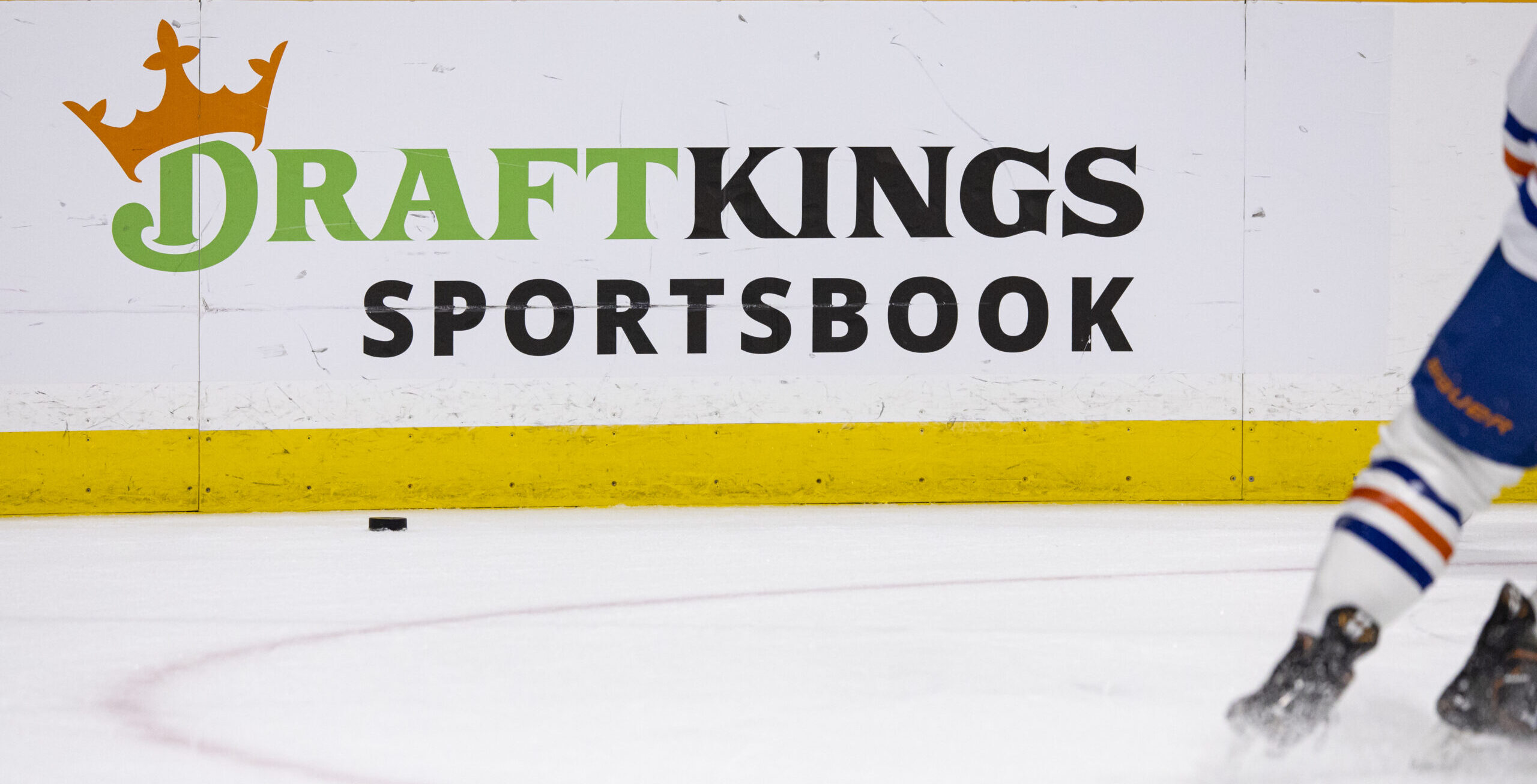
Online sports betting has exploded in popularity over the past half decade. Where professional and college sports once strictly banned gambling, ads for sports betting companies now appear on stadium walls, sports casters debate the “smartest” bets, and professional athletes sell their “picks” for winning wagers on sports they don’t play.
Children are growing up in a world which makes betting a mandatory part of the fan experience. Sports books like DraftKings and FanDuel spend millions of dollars each year portraying their product as harmless and fun.
This is a lie. Parents can’t afford to fall for it.
Online sports betting combines the addictive elements of traditional gambling and social media into one attention-monopolizing invention. For the first time, bettors can wager on everything from the length of the national anthem to whether the next pitch will be a ball or a strike — all without leaving their couch.
There’s always another game to bet on. Recovering problem gambler Jason found himself betting on European basketball.
“I was just trapped in my phone watching the gambling lines or watching this European basketball game,” the 26-year-old told NPR in February.
Jason attends gamblers anonymous meetings now but, before he quit, he recalled feeling “suffocated” by advertisements encouraging him to gamble.
“Sportsbooks’ whole goal is to load you with [advertising] so you feel kind of suffocated and you’re constantly thinking about [gambling],” he told the outlet.
Jason’s story supports evidence showing sports books use the detailed metrics they collect on their customers to identify problem gamblers like Jason and send them special advertisements and promotions designed to keep them betting.
The city of Baltimore sued DraftKings and FanDuel in April 2025 for unfair business practices like these, writing:
It’s bad enough that sports betting companies target vulnerable consumers like Jason. But children and minors regularly find themselves in the betting industry’s crosshairs, too.
More than 10% of the more than one thousand, 11- to 17-year-old American boys surveyed by Common Sense media self-reported engaging in sports-related gambling. Nearly six in 10 reported seeing gambling ads during sports games on TV.
An earlier report from the Lancet’s Public Health Commission on Problem Gambling estimated just over 10% of adolescents gambled online in 2023 worldwide. Of those who engaged in sports betting, the commission estimated as many as 16% could be problem gamblers.
Problem gamblers’ addiction, in turn, negatively affects an average of five people close to them, an authoritative Australian study determined in 2017.
The financial impact of online sports betting shows up in large, state-level data sets. A recent Harvard and UCLA-based study of more than 5 million people in 33 states found the introduction of online sports coincided with:
- A more than 12-point drop in the average credit score.
- A 25% increase in the delinquency rate on auto loan payments.
- A 27% increase in the delinquency rate on credit card payments.
- A 9% increase in the average amount of money in collections — not due to the same or fewer people having more money in collections, but because more people owed money than before the introduction of online sports betting.
The consequences of problem gambling extend far beyond the financial.
One in seven problem gamblers admit to engaging in child abuse, according to the Maryland Center of Excellence on Problem Gambling. Children of problem gamblers are as many as three times more likely to experience abuse than their peers.
As many as one in four problem gamblers report engaging in domestic violence. Intimate partners of problem gamblers are more than 10 times more likely to receive emergency medical treatment for physical violence than those of problem drinkers.
Nearly one in five problem gamblers also report experiencing domestic abuse. Upwards of 30% of problem gamblers experience suicidal ideation, per the American Psychological Association.
Parents can protect their kids from online sports gambling in three ways.
First, refrain from betting on sports yourself. Use your example to disciple your children against potentially dangerous choices.
Second, warn your kids against gambling like you would warn them against addictive products like drugs, alcohol and pornography.
Don’t allow them to believe the lie that online sports betting is completely harmless. For many, what starts as a harmless pastime leads to years of struggle and pain.
Third, support reform at the ballot box. Sports betting companies should:
- Be required to repeatedly verify the ages of their consumers.
- Comply with regulations preventing them from targeting problem gamblers.
- Be prevented from advertising during times, on programs or on games watched by children.
Protect your children from gambling! It’s your only safe bet.
Additional Articles and Resources
Counseling Consultation & Referrals
Online Sports Betting Significantly Worsens Financial Health, Study Suggests
Online Super Bowl Betting Mushrooms, Fueled by Prediction Markets
Kalshi, Prediction Markets Make It Easy for Kids to Gamble Online
The NBA and MLB Investigate Gambling Corruption While Taking Money from the Gambling Industry
Online Sports Betting Spawns Rampant Fraud in MLB, NBA
Baltimore Sues FanDuel, DraftKings for Targeting Problem Gamblers
March Madness Sends Gambling Industry Profits Sky High
Online Sports Betting Hooking Young Men on Gambling, Research Suggests
Online Super Bowl Betting Breaks Records


ABOUT THE AUTHOR