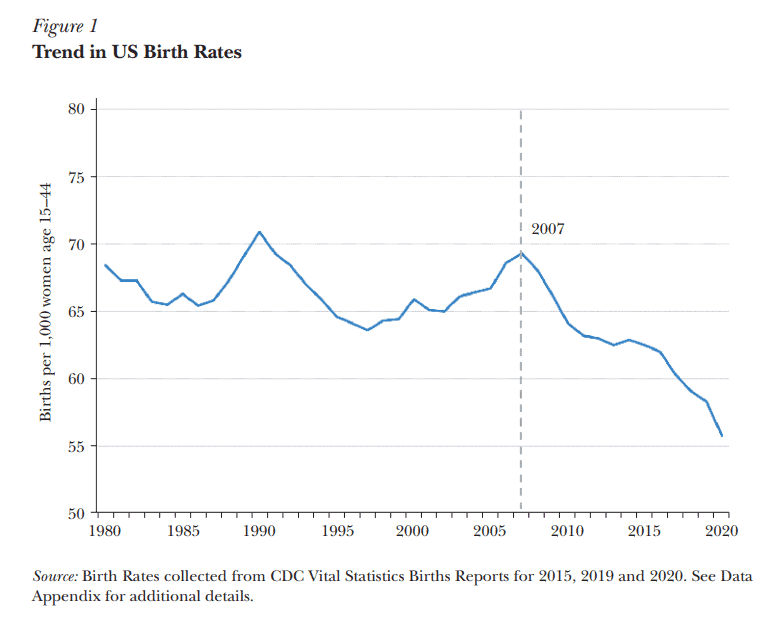
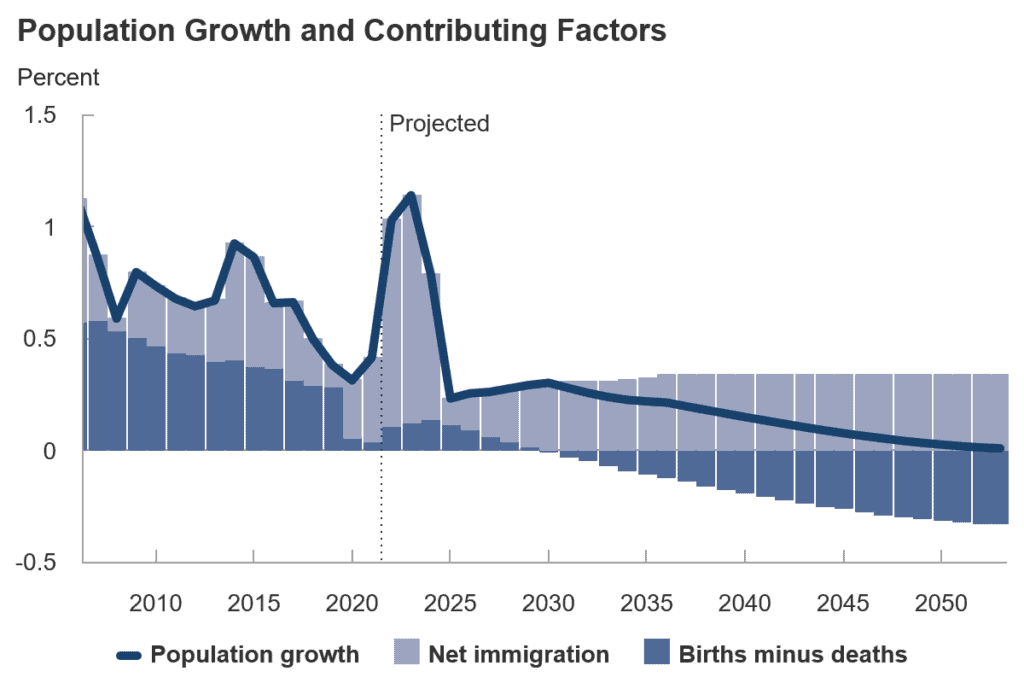
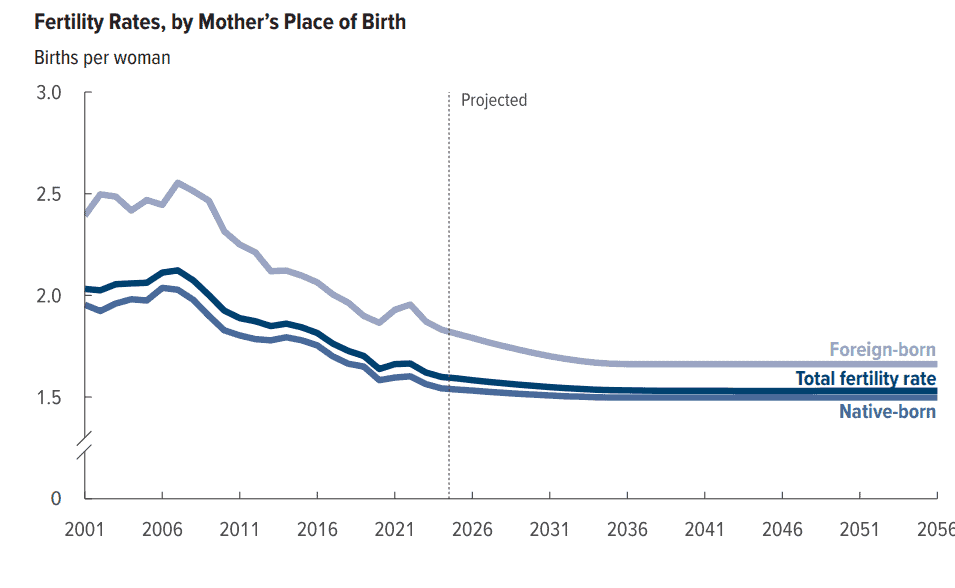
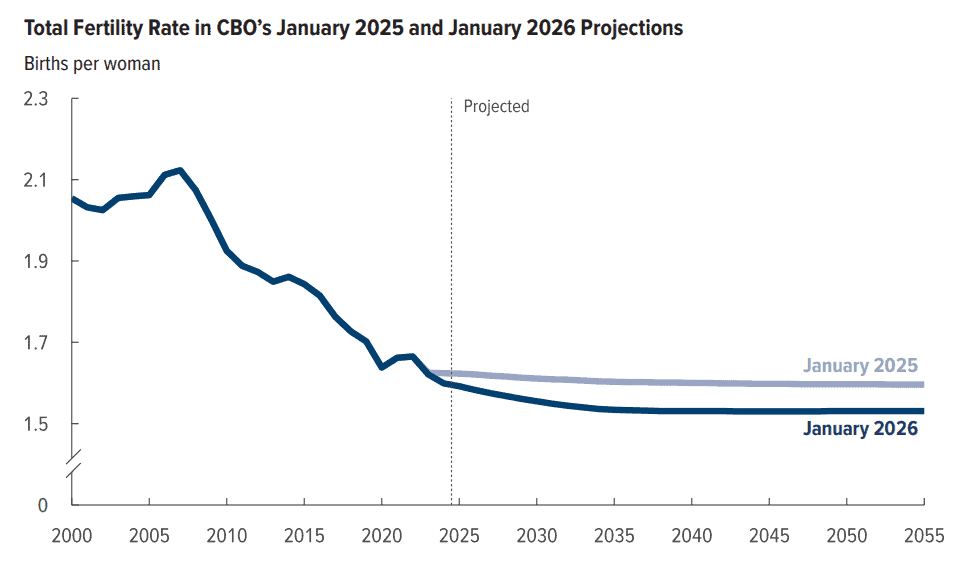
It is well documented that fertility has dropped below replacement level for two-thirds, and likely up to three-fourths, of the world’s countries. Leading demographers are reporting this decline is happening faster than many global authorities acknowledge. In fact, the world passed “peak child” in 2012 — the year in which there will likely never again be as many children born as in that year.
This is a very serious problem.
You cannot maintain a growing, improving civilization without a growing population. And populations grow either by immigration or fertility. To maintain a unique national identity, you must effectively assimilate new immigrants, or you eventually turn your country’s culture over to those who are immigrating in increasingly large numbers. England is experiencing that threat now.
It is best that a country reproduce, rather than replace, its citizenry, which requires robust fertility. No developed country in the world — save for Israel — has above replacement fertility. The United States’ birthrate has sunk to 1.6, well below the necessary 2.1.
Nearly every government around the world is deeply concerned with how to raise its own fertility in the next 20 years. Few have a solid understanding of how to achieve this. LymanStone, who directs the Institute for Family Studies’ Pronatalism Initiative, has a new article addressing this question.
Several factors driving our declining fertility are very good in themselves but have negative consequences for fertility. The major one is increasing educational and employment opportunities for women. As women gain more options to become well-educated and employed in rewarding fields of work, they often prioritize both above forming a family. This is the problem of competing goods. Another factor is that increased travel opportunities are driving fertility down.
Negative factors have an impact as well. Declines and delays in marriage negatively impact fertility. Declining religiosity is also driving serious dips in marriage and fertility.
So, what is the fix?
“It’s not enough to just repeatedly post on X about the harms of falling fertility,” notes Stone, “or to constantly ask our children when they’re going to give us grandchildren, or increase the child tax credit by $200.” These have been done in most countries, to nearly no effect. The fact is that public policy is very limited in what it can do to boost a couple’s desire for children.
Stone rightly observes,
There is no public policy that can change a couple’s conviction about the importance of a growing family or overcome their hesitancy about the time, energy and money raising children’s demands. That desire must come from deeper places within a couple. Stone explains, “Policy will never actually fill the space of meaning and purpose parents need to justify the leap of faith involved in having kids.”
Rather, a nation’s pro-natal efforts must recognize and target those who have the intrinsic desire to have children but feel they cannot have as many children as they want. This is what demographers call the fertility gap: the gap between desired and achieved fertility. Thankfully, many couples across the globe report wanting more babies than they actually have.
Public policy can help such couples.
Pro-Family Housing Agenda
The Institute for Family Studies (IFS) has done some very important work (here and here) exploring how more attractive and creative housing policy could help couples who desire more children realize that desire. They rightfully explain that the “young adult housing affordability crisis is a major factor suppressing rates of marriage and fertility in the United States, thus imperiling the health, happiness, and long-term demographic outlook for the entire country.”
They add, “In order to tackle falling fertility and marriage rates, policymakers must tackle restrictive housing policies, particularly those policies that prevent the construction of commercially-developed, efficiently-arranged, reasonably-priced single-family homes.” IFS helpfully details what a pro-family housing policy would look like at the local, state and federal levels.
Stone holds that while public policy itself cannot fix the problem of declining fertility, it can act as a crowbar, leveraging couples who desire children to have as many as they say they want. He contends, “Pro-natal policy can’t replace intrinsic motivations to have kids, but it can give regular people a bit more leverage in conversations with their peers about family life, encouraging a more positive, hopeful outlook for fertility.”
He adds that “once policymakers realize that pro-natal policy exists to act as the multiplier for intrinsic fertility motivations rather than a replacement for them, it becomes a lot easier to start thinking about what kinds of pro-natal policies might really work.”
Every nation on earth must become a functional laboratory testing a host of creative initiatives to help married couples choose to create new citizens. We do know that growing faith and a desire for a strong, thriving marriage are two of the most powerful drivers.
Focus on the Family is at the center of both.
Related articles and resources:
Is Inflation Driving Fertility’s Decline?
American Deaths to Exceed Births Faster Than Expected, CBO Reports
U.S. Fertility Rate Falls to Lowest on Record – Again
Global Population Has Passed ‘Peak Child’ – an Ominous Milestone
Why Americans Over and Under 50 Say They Don’t Have Kids
Death of the West? U.S. Fertility Rate Falls to Record Low.
China’s Population Drops by 2 Million in 2023 Due to Record Low Birth Rate
Discarding Genesis 1, U.S. Population Set to Decline This Century Amid World Population Collapse
The Importance of God’s Design for Marriage and Family
New Report Gives Update on Family Formation and Child Well-Being